
How Phone Size and Display Type Influence Price
A 6.7-inch OLED or AMOLED phone is usually priced above a 6.1-inch LCD model, and 120 Hz or LTPO can push the number higher again. This article on How…
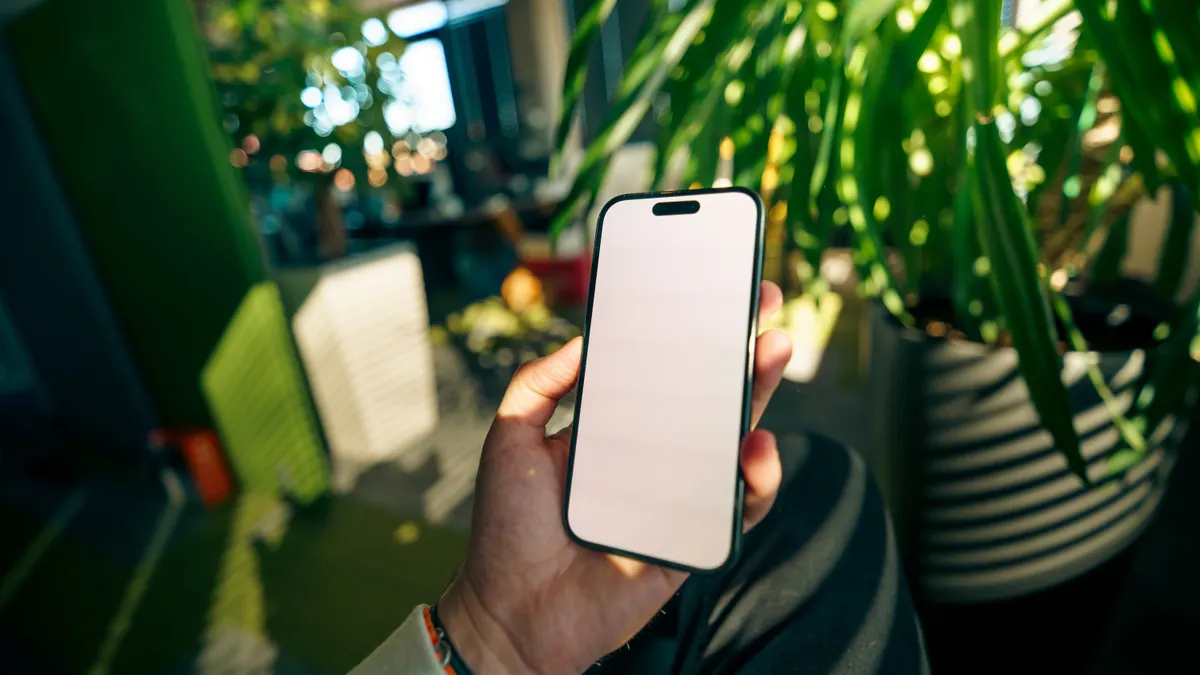
A 6.7-inch OLED or AMOLED phone is usually priced above a 6.1-inch LCD model, and 120 Hz or LTPO can push the number higher again. This article on How…
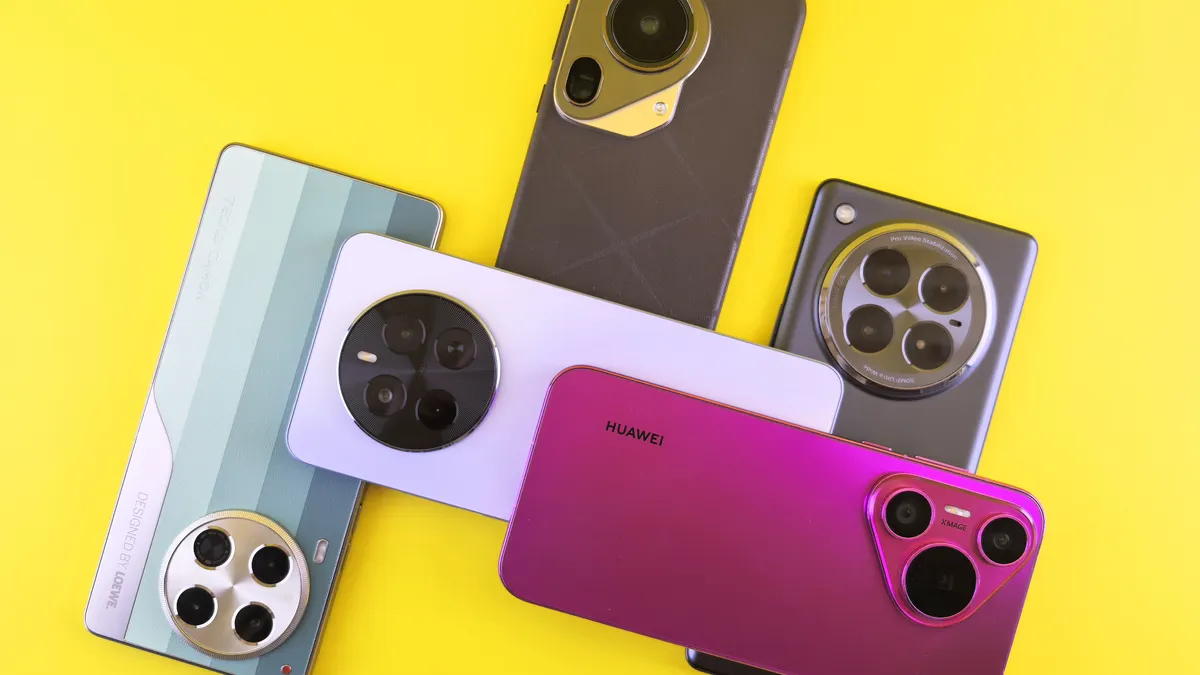
In this article on How phone price ceilings differ across budget, midrange, and flagship segments , the ceiling usually rises in four steps: budget…
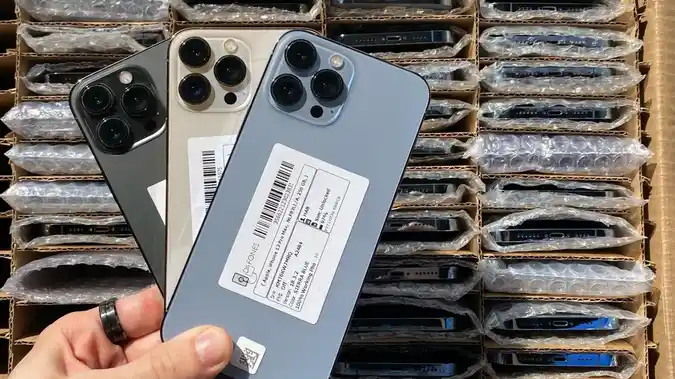
How supply chain disruptions change phone prices over time: Supply chain disruptions usually push phone prices up in stages, not all at once. First, a…
How competition between brands can push phone prices up or down: Competition between brands can push phone prices both ways: it can drive prices down when…
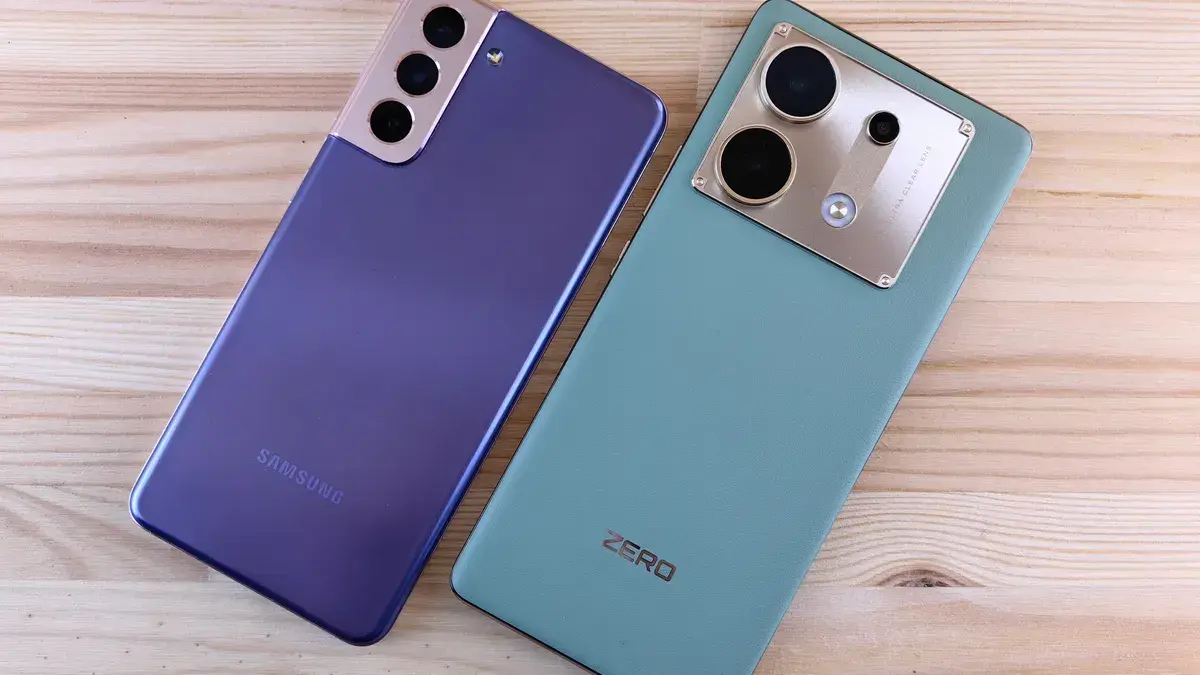
For most buyers, Pricing Factors by Phone Type — The Complete Guide points to a midrange phone as the best value when the goal is solid everyday use…
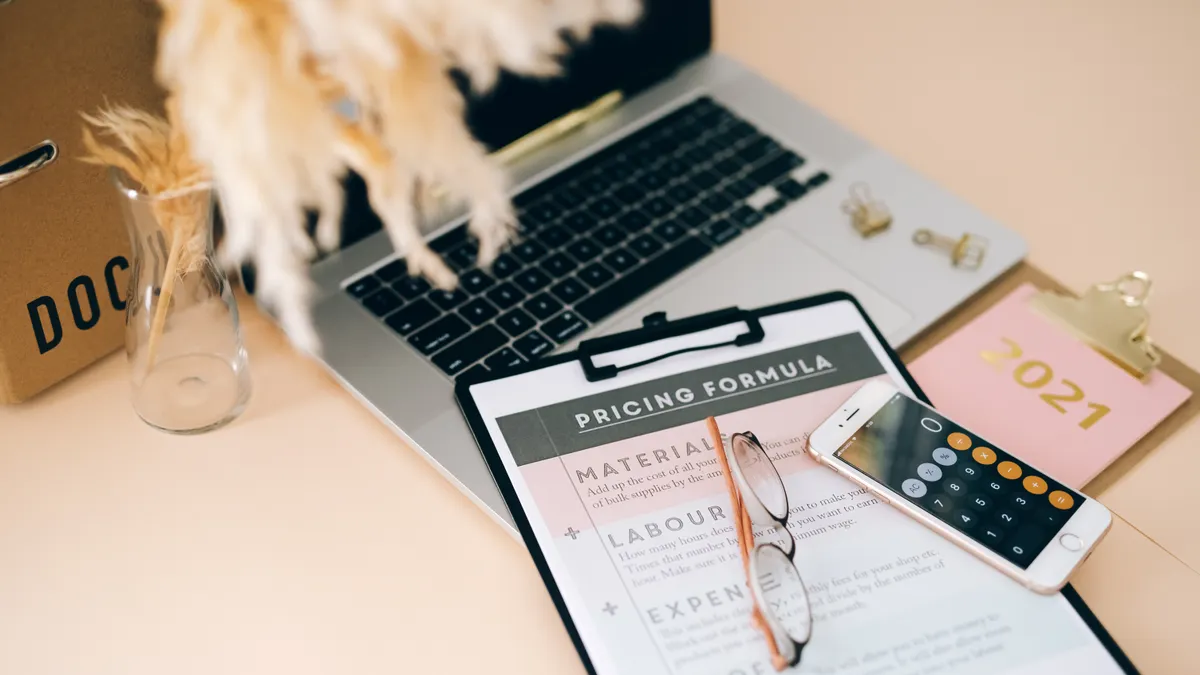
Retailer margin and channel markup can add 10% or more to a phone’s final shelf price, depending on the seller and channel. If you want the real shelf…
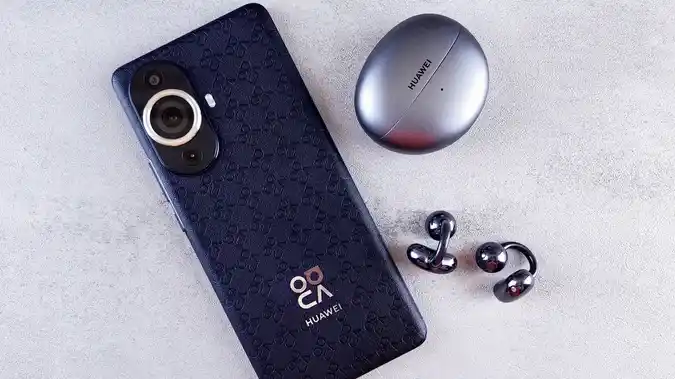
Limited edition phones carry a premium because makers usually produce fewer units, add costlier finishes, and sell into a collector market. Why limited…
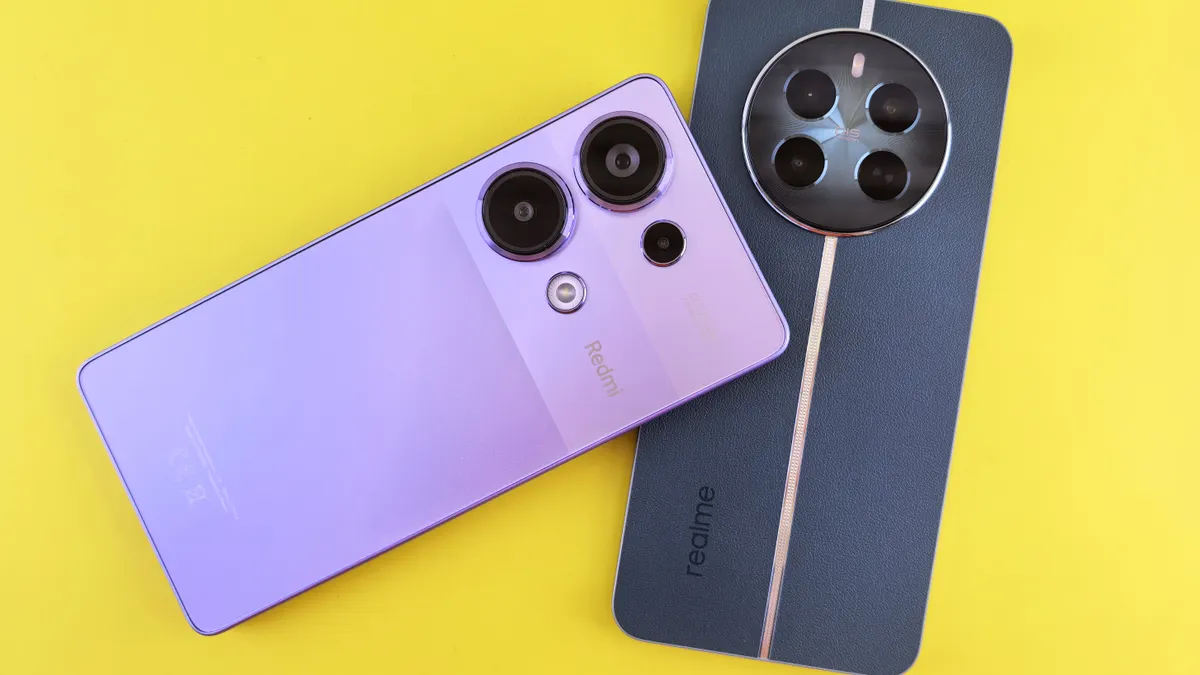
How product positioning changes price within the same brand lineup: product positioning can create a $100 to $200 gap, or more, between phones in the same…
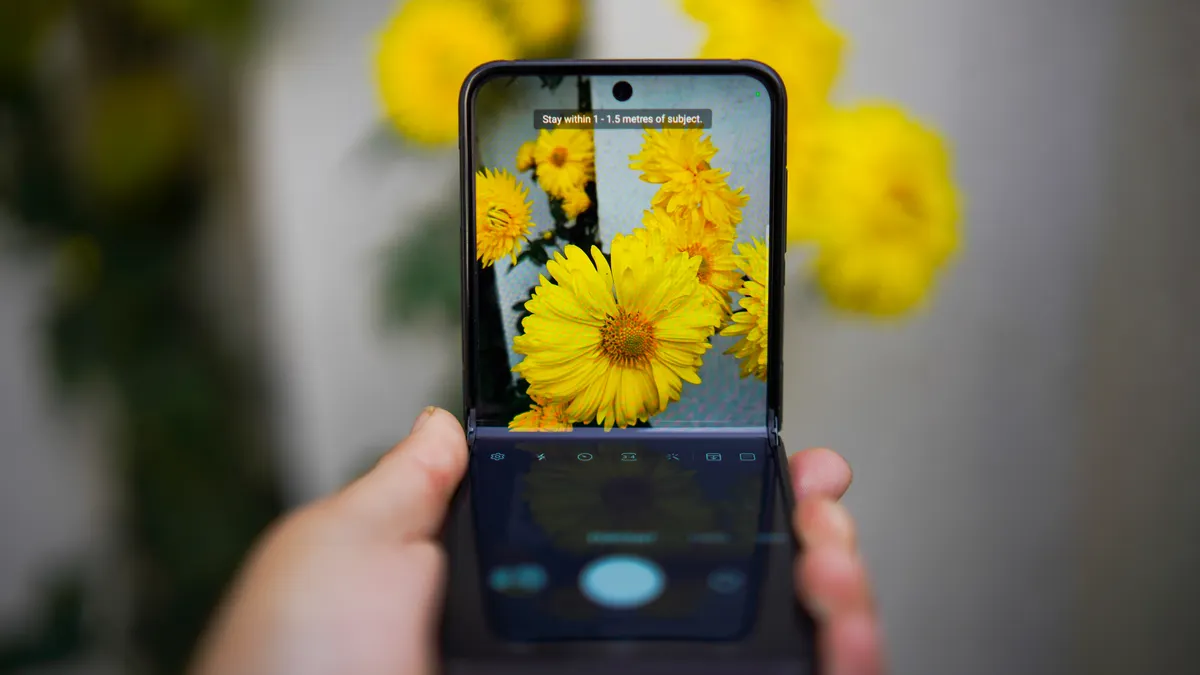
Why foldable phones cost more than standard smartphones: foldable phones usually cost more because they need two display systems, a precision hinge, and…
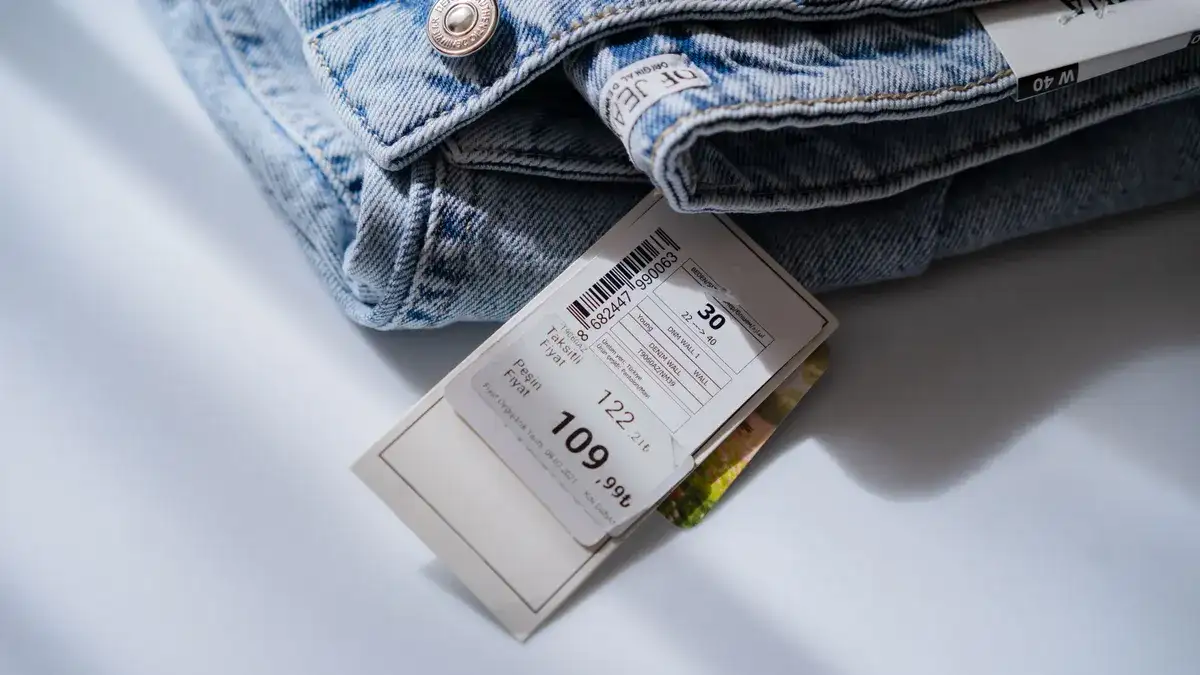
How Phone Age, Model Lifecycle, and Clearance Pressure Affect Prices: Phone prices fall as a model gets older, then move in waves when the product…