
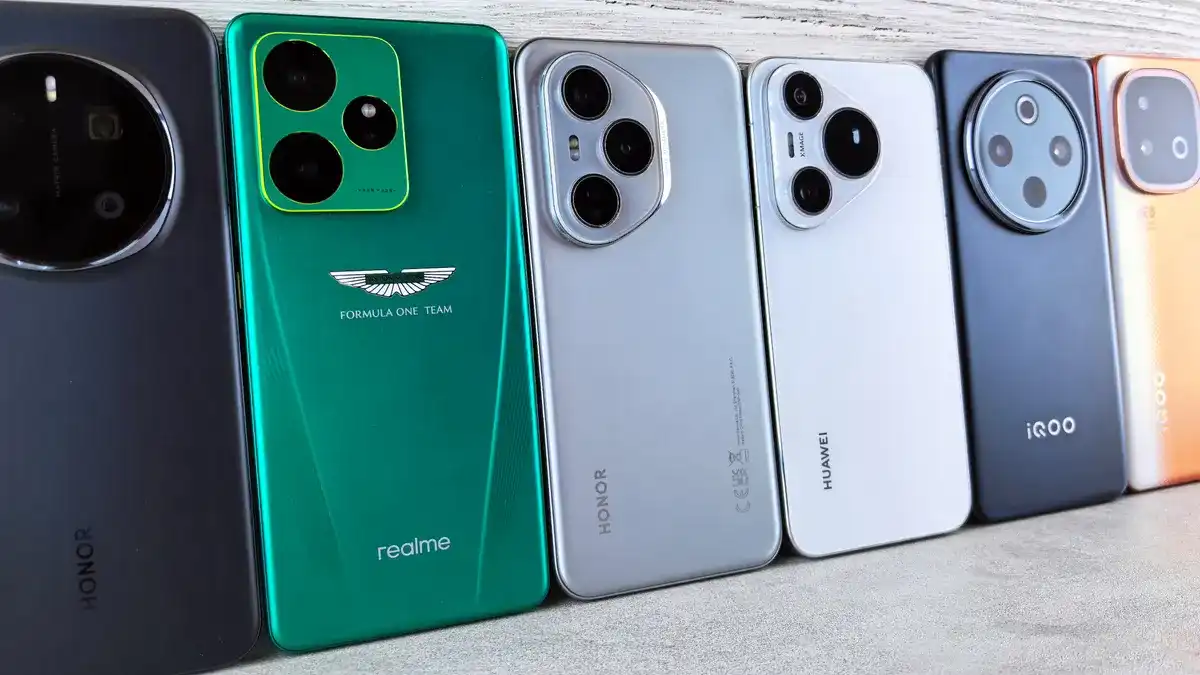
What Affects Mobile Phone Prices
Last updated: November 05, 2026
In short: the main factors affecting mobile phone prices are the parts and choices that raise or lower the cost of a handset, from the chipset and camera sensors to storage, display type, 5G support, and how early it launches. If you want to judge value instead of chasing the lowest sticker price, start with those levers.
Key takeaways
- The biggest price jumps usually come from the processor tier, camera hardware, display tech, and storage size.
- 5G can add cost, but it is only one factor; the rest of the design often matters more.
- Brand positioning and launch timing can move the price as much as a hardware upgrade.
- A higher price does not always mean a better fit; flagship features can be wasted on people who only need basics.
- The smartest comparison is not “cheap vs expensive,” but “which parts of the spec sheet actually affect how the device behaves.”
A quick note: this article explains why prices differ. It does not rank models by budget or tell you how to check current prices. For a broader buying path, the hub on mobile phone prices sits above this page.
The fastest way to read a spec sheet without overpaying
The simplest way to understand mobile phone pricing factors is to check the parts that are hardest to fake: chipset class, camera hardware, display panel, storage, and network support. A glossy finish or a fancy product name can push the sticker up, but the real cost usually comes from silicon, screens, and memory.
Use this order when comparing two devices:
- Start with the chipset tier. A premium SoC from a flagship line usually costs more than a midrange chip, and the price gap often shows up in smoothness, gaming headroom, and image processing.
- Check the camera stack. Look beyond “50 MP” and note sensor size, optical stabilization, telephoto lenses, and whether the ultrawide camera is a placeholder or a serious module.
- Look at the display type. AMOLED panels, higher refresh rates, and brighter screens usually raise the bill more than a plain LCD at the same size.
- Compare storage, not just RAM. Moving from 128 GB to 256 GB can change price noticeably, especially in models that use fast UFS storage rather than slower memory.
- Check 5G and the modem class. If the model includes more bands, faster carrier aggregation, or a more advanced modem, the cost can creep up even when the rest looks similar.
The trick is to notice when a spec is real and when it is marketing. A 6.7-inch AMOLED screen with 120 Hz refresh, for example, is a tangible hardware upgrade. A “pro” label by itself is not. The first affects bill of materials and manufacturing; the second may only affect perception.
This is where many comparisons go wrong. Two devices can both show “8 GB RAM, 256 GB storage, 5G,” yet one costs far more because its camera sensors are larger, its chipset sits one tier higher, and its display uses a brighter panel with better color tuning. The opposite also happens: a model may charge a premium mainly because the brand can. That matters, but it is not the same as paying for better parts.
Processor tier sets the baseline price
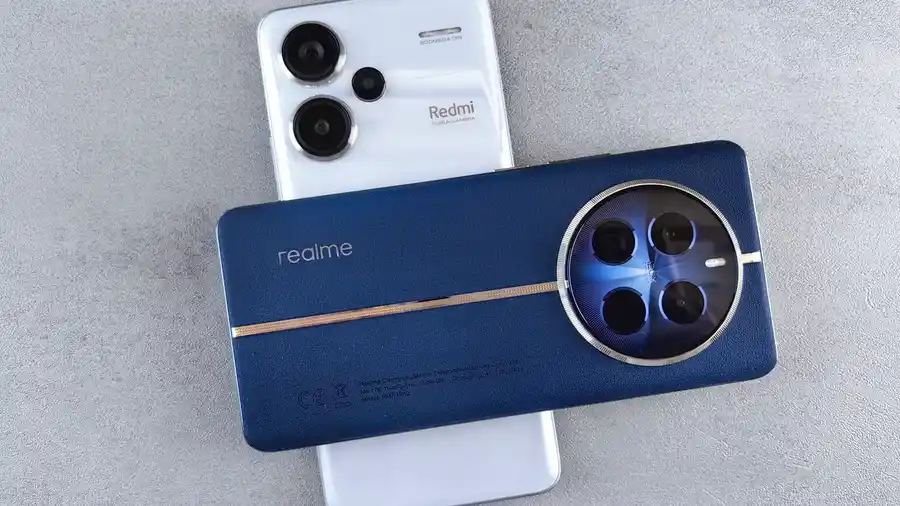
Processor tier sets the baseline price because the chipset is one of the most expensive and influential components in the device. A flagship chip from Qualcomm or MediaTek does more than run apps; it shapes thermal design, battery behavior, camera processing, and the modem inside the handset.
A premium chipset usually increases cost for three reasons. First, it is built on newer manufacturing nodes and more complex packaging. Second, it is paired with faster memory and storage to avoid bottlenecks. Third, it gives the manufacturer enough performance headroom to market the device as a top-tier model. That last point matters: the chipset helps set the product category before a camera or display is even discussed.
A midrange chip is cheaper, but the trade-off is not just benchmark numbers. It can affect sustained performance during long 4K video sessions, heavy multitasking, or graphically demanding games. If a device is built around a budget SoC, the company may still add a big battery or a nice AMOLED panel, but the overall price usually remains lower because the core silicon is less costly.
The practical question is whether you need the class of performance this chip buys. For email, social apps, streaming, and light photo use, a strong midrange chipset often makes more sense than paying for a top-end processor whose extra speed mostly sits unused. If the device will be used for gaming, long-term software support, or intensive camera work, the pricier chip becomes easier to justify.
One mistake is assuming a large jump in price means the screen or camera caused it. On many models, the chipset is the first reason the price climbs. If the processor tier rises by one full class, the rest of the bill often follows.
Why camera hardware can raise the sticker by a lot
Camera hardware can raise the sticker by a lot because sensor quality, lens count, stabilization, and image processing all cost money. A spec sheet that says “200 MP” or “50 MP” tells only part of the story; sensor size, aperture, optical image stabilization, and autofocus design matter just as much.
A phone with a large main sensor usually costs more than one with a small sensor, even when the megapixel count is similar. Bigger sensors gather more light, which helps in indoor scenes and night shots. Add optical image stabilization, and the camera module gets more complex and more expensive. Include a telephoto lens with real optical zoom, and the cost rises again. A dual-camera setup with a basic ultrawide lens is much cheaper than a triple- or quad-camera arrangement built for portrait, zoom, and low-light work.
The hidden cost is not only the hardware itself. A stronger camera system needs better calibration, more tuned software, and often more processing power from the chipset. That is one reason camera-focused models can sit near the top of the market even when the design looks simple.
This is also where branding can mislead. Some lower-cost models carry lots of camera labels but still rely on small sensors and software sharpening. They may look impressive in a product page, then fall apart when light is poor. Meanwhile, a more expensive device can justify its price with steadier exposure, cleaner night images, and better video stabilization.
A good rule: if the camera section reads like a list of numbers but says little about sensor size or stabilization, the price premium may be mostly cosmetic. If the device includes a larger main sensor, OIS, and a real telephoto module, the higher cost is easier to explain.
Do display type and refresh rate matter that much?
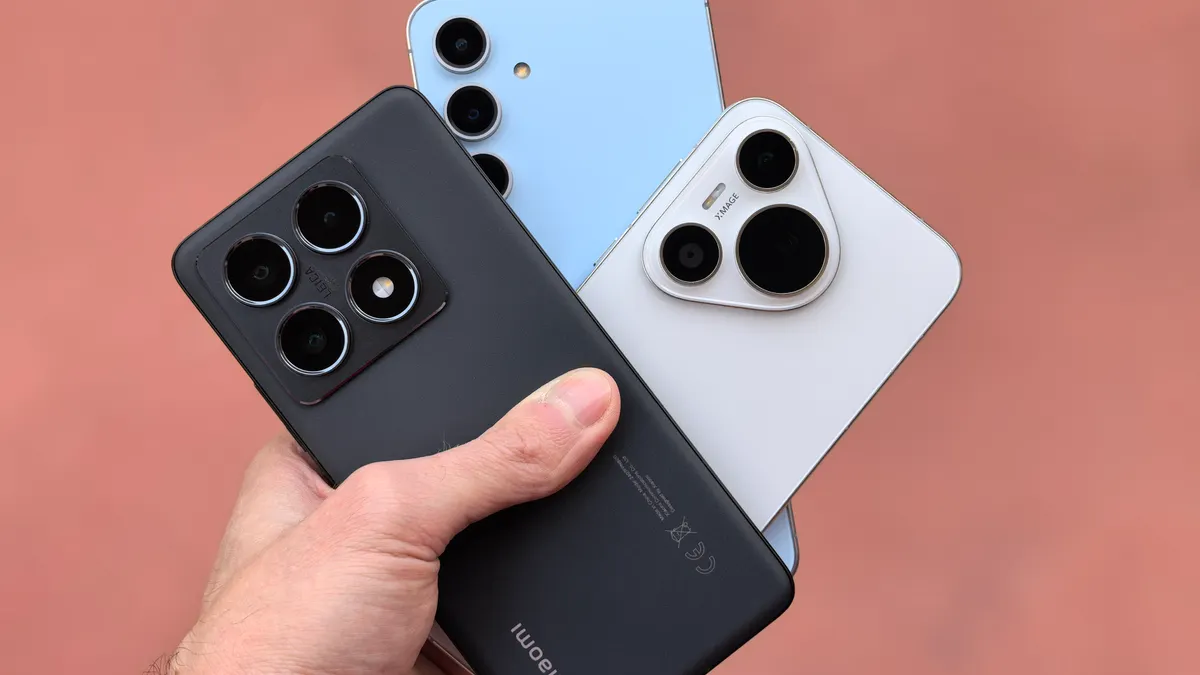
Yes, display type and refresh rate matter because AMOLED panels, higher brightness targets, and 90 Hz or 120 Hz refresh rates usually cost more than standard LCD screens. The panel is one of the biggest visible differences in daily use, so manufacturers often spend more here on midrange and premium models.
AMOLED displays tend to raise price because they are more complex to produce and can deliver deeper blacks, better contrast, and more flexible design choices. Curved edges, slimmer bezels, and always-on display features can also be easier to implement with AMOLED than with many LCD designs. A 120 Hz panel adds more cost again, especially if the manufacturer wants high resolution, good color accuracy, and strong outdoor visibility at the same time.
That said, a pricier screen does not automatically mean a better purchase. A bright 60 Hz LCD can still be a sensible choice for someone who mostly reads, texts, and watches standard video. If battery life matters more than buttery scrolling, a lower-refresh panel may be the smarter buy. The price difference is real, but the value depends on how the device is used.
The display also interacts with the rest of the build. A large AMOLED panel with high refresh often pushes the manufacturer toward a bigger battery and stronger cooling, both of which add cost and weight. That is why the screen can affect more than the screen itself. It changes the whole design envelope.
If a model advertises “AMOLED, 120 Hz, HDR support,” expect that screen choice to show up in the final price. If the same-sized device uses a basic LCD with standard refresh, some of the savings should be visible in the sticker.
Storage size, 5G, and the cost of memory choices
Storage size, 5G, and memory choices affect price because they change the bill of materials and the product tier at the same time. More storage costs more on its own, and a device with 256 GB or 512 GB is often positioned above a 128 GB version even when the rest of the hardware is similar.
Storage is not only about capacity. Faster UFS storage costs more than slower flash, and it can improve app loading, file transfers, and camera write speed. That matters for users who shoot a lot of video or install many large apps. RAM can also push price upward, but storage upgrades are usually the cleaner explanation for a step up in cost. A jump from 128 GB to 256 GB is common; moving to 512 GB or 1 TB is usually reserved for premium models.
5G can add cost, but not always in a dramatic way. The modem, antenna design, certification work, and broader carrier support all add engineering expense. In many markets, though, 5G is now bundled into devices across several price bands, so the premium comes less from the word “5G” itself and more from the fact that the manufacturer used a newer chipset, more antennas, or a higher-end platform to support it. In other words, 5G often travels with other upgrades.
This is a common trap: people assume the network label is the main reason a handset is expensive. Sometimes it is not. A 5G model may cost more because it also includes a brighter AMOLED panel, better thermals, and more storage. The network support is part of the package, not the whole explanation.
If you only need basic messaging, calls, and streaming on Wi‑Fi, a cheaper storage tier may be enough. If you keep 4K clips, offline music, or large games on the device, storage size becomes a real part of value, not a cosmetic spec.
Why brand positioning and launch timing change prices
Brand positioning and launch timing change prices because companies sell more than hardware; they sell category, timing, and expectation. A brand that is seen as premium can charge more for similar parts, while a device launched near a flagship cycle usually enters the market at a higher price than a late-cycle release with similar components.
Brand positioning shows up in the details around the hardware. A company may use the same class of chipset and storage as a cheaper competitor, yet price the handset higher because it has a stronger software reputation, a longer update policy, tighter industrial design, or a more polished camera app. Consumers are not only paying for silicon. They are paying for trust, support, and perceived status.
Launch timing can be just as powerful. A phone announced in the same quarter as a major chip release often costs more than a nearly identical model released months later, because early buyers pay for novelty and fresh supply. Later in the lifecycle, prices can soften as retailers clear stock, newer models arrive, and the original launch premium fades. This is one reason two devices with similar specs can sit at very different price points at different times of year.
The trade-off is simple: paying for a launch-window device usually buys you the newest platform and the longest runway for support, but not always the best value. Waiting can save money, yet the exact model you want may disappear or shrink in color and storage options. That matters more for premium lines, where availability changes quickly.
A phone from a brand with a strong premium image is not automatically overpriced. Some of the premium reflects better support, repair network, and software discipline. But if the spec sheet is ordinary and the price is high, branding is doing more work than hardware.
What people miss when comparing prices
People miss that mobile phone pricing factors stack on top of one another, so the final sticker is rarely caused by one part alone. A device with a flagship chipset, AMOLED screen, large sensor, 256 GB storage, and 5G support will naturally cost more than one with a midrange chip, LCD panel, smaller camera module, 128 GB storage, and simpler radio hardware.
The most common comparison mistake is to focus on one headline spec. A “big battery” or “100 MP camera” can distract from weaker parts elsewhere. Another mistake is treating every premium feature as equally important. A 120 Hz display affects daily feel much more often than a secondary camera that is used once a month. A telephoto lens can matter a lot for one buyer and almost not at all for another. Price reflects the bundle, not the feature that looks most impressive in the ad.
There is also a value trap on the low end. A cheap handset can look like a deal until you notice slow storage, weak camera performance, and only basic software support. The low sticker is real, but so are the compromises. On the other side, an expensive model can be wasteful if the buyer never uses its most advanced parts.
The better way to judge price is to ask which expensive components you actually benefit from. If you do not care about telephoto zoom, a top-end camera system is hard to justify. If you stream and text all day, a flagship chipset may be more performance than you need. If you keep files locally, storage size is worth more than a decorative finish. That kind of reading turns a spec sheet into a decision.
Why are some phones more expensive than others?
Some phones are more expensive because they use pricier parts, more complex engineering, and a stronger brand position. A flagship chipset, larger camera sensors, an AMOLED display, and more storage all push cost upward. Launch timing and market positioning can raise the price too, even when the spec sheet looks similar.
Does storage increase phone price?
Yes, storage usually increases phone price. More capacity costs more, and faster storage tiers such as UFS also add expense. A jump from 128 GB to 256 GB is one common step up, and higher tiers usually cost more still.
Drafted with AI; not yet reviewed by a person.