
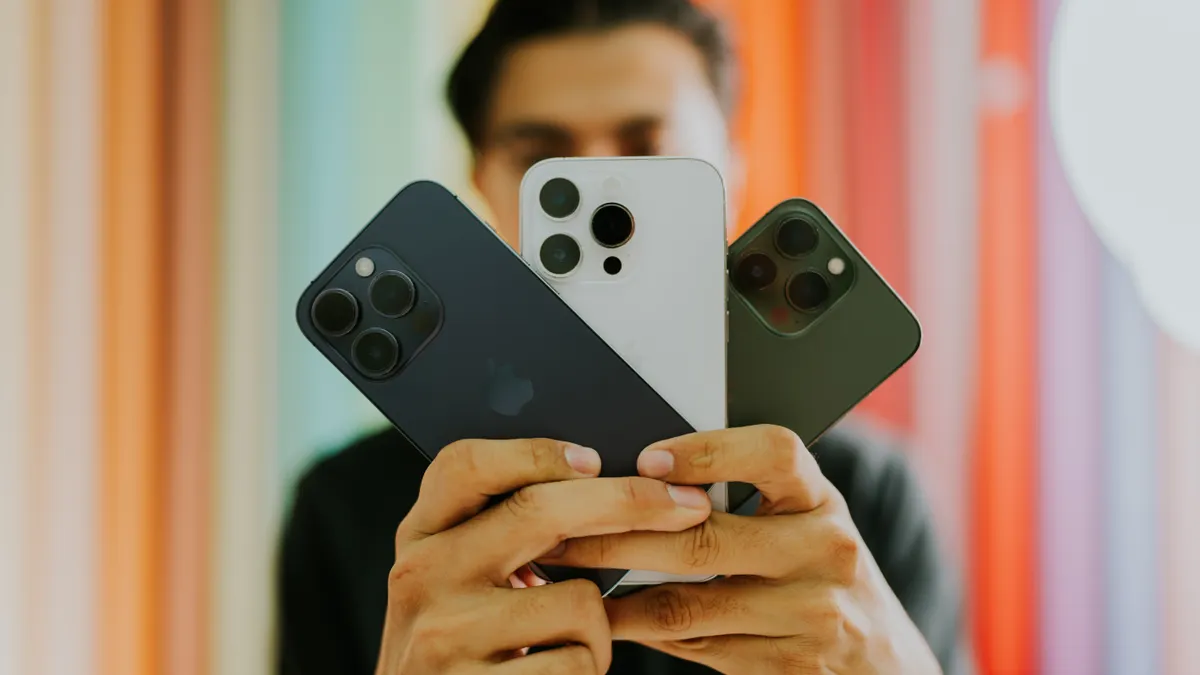
Upcoming Mobile Phones to Watch
Last updated: November 05, 2026
In short: the upcoming mobile phones worth watching are the ones with clear launch windows, visible hardware changes, and a reason to wait instead of buying what is already on shelves. If a new model is rumored for the next 2 to 6 months, or if it is likely to bring a bigger battery, a new chip, or a stronger camera system, it belongs on your radar now.
Key takeaways
- The best time to wait is when a launch window is already visible, not when rumors are vague.
- Apple, Samsung, Google, OnePlus, and Xiaomi are the brands most buyers should watch first.
- The useful signals are announcement timing, preorder timing, and whether the next model changes the part you care about.
- A rumored new model is not a reason to freeze every purchase; it is a reason to skip a phone only if the next one solves a specific problem for you.
- If you need a device today, the right question is not “what is coming?” but “what upcoming launch could make today’s option feel outdated in a few weeks?”
The shortlist of upcoming mobile phones to watch
The upcoming mobile phones to watch are the next flagships and upper-midrange models from Apple, Samsung, Google, OnePlus, and Xiaomi, because those launches usually move the rest of the market. That is the practical list if you want to know what to wait for before buying now.
I would watch these families first:
- Apple iPhone line — Apple usually moves on a predictable yearly cycle, with its main launch tied to the fall. The exact model names vary, but the event itself matters because it often resets the premium phone market.
- Samsung Galaxy S series — Samsung’s Galaxy S launches often land early in the year, which makes them the first big Android alternatives after the holiday season.
- Google Pixel series — Pixel announcements tend to matter for anyone who cares about camera processing, clean software, and early access to Android features.
- OnePlus flagship line — OnePlus usually targets buyers who want fast charging, strong performance, and competitive hardware without the absolute top-tier price positioning.
- Xiaomi flagship line — Xiaomi’s top phones often push camera hardware, battery capacity, and charging speed hard, especially in markets where those specs are a deciding factor.
The reason these five brands deserve attention is not brand loyalty; it is launch rhythm. A phone that is due in the next season can change the value of a current model overnight, even if the current model is still excellent. That matters most if you keep a phone for 2 or 3 years and want the next one to feel like a real step forward.
What this list is not: it is not a “best phones right now” ranking, and it is not a price guide. If you need a current recommendation today, that belongs on a different page. This article is for the buyer who can wait, but only if waiting actually pays off.
Which brands are likely to launch new phones soon?
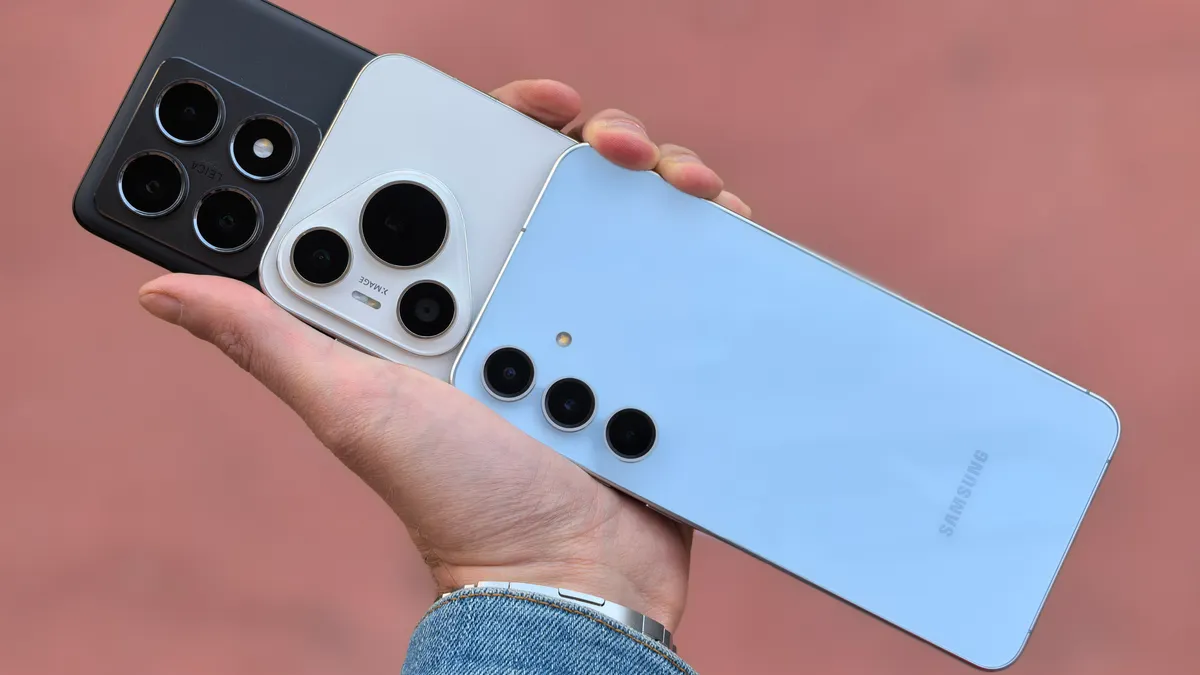
The brands most likely to launch new phones soon are Apple, Samsung, Google, OnePlus, and Xiaomi, because each one runs on a relatively steady release pattern. That pattern is the first clue buyers should track.
A useful way to think about it is by season:
- Apple: watch the late-year window, when the company typically announces its main iPhone refresh.
- Samsung: watch the early-year stretch for the Galaxy S family and the middle of the year for foldables.
- Google: watch the late-summer or early-fall period for Pixel announcements.
- OnePlus: watch for flagship updates after the major Android launch waves, often with regional timing that can differ by market.
- Xiaomi: watch for staggered launches, because global and China-first releases do not always land on the same date.
The exact launch date changes year to year, and that is why a rumor alone is not enough. A solid rumor usually includes one of three things: a realistic season, a chipset clue, or a certification trail. When one of those shows up, the launch moves from “maybe” to “worth waiting for.”
A common mistake is treating every rumor as equal. A blurry social post about a battery size means very little. A launch window reported by multiple reliable industry outlets, or a device that appears in certification databases, is more useful because it points to a production timeline. That does not make the device guaranteed, but it does make the wait more rational.
This section is also where buyers should be honest about urgency. If your current device is broken, overheating, or losing battery fast, waiting for a seasonal refresh may be a bad trade. A rumored phone due in 4 months is not a solution if your current one is failing now.
What should you look for before deciding to wait?
You should look for launch timing, chip upgrades, camera changes, battery capacity, and charging speed before you decide to wait. Those are the features that most often turn an upcoming model from “interesting” into “worth holding off for.”
Here is a simple procedure that works better than chasing every leak:
- Check the expected launch window first. If a model is likely within 2 to 4 months, waiting makes sense; if it is rumored for much later, you are probably paying a delay penalty for no clear reason.
- Match the rumor to your actual pain point. If you care about battery life, look for a larger cell or more efficient chip. If you care about cameras, look for sensor or telephoto changes, not just a new color.
- Ignore cosmetic leaks until the hardware is clearer. A changed frame or display cutout is nice, but it rarely matters more than battery health, thermal design, or camera hardware.
- Check whether the brand is likely to discount the current model after launch. Older flagships often become more attractive after the new one is announced, which can be the smarter buy if the new model does not change much.
- Watch preorder timing, not just announcement day. Some launches open preorders the same day, while others hold them for several days or weeks. That gap tells you how quickly you can actually buy the device.
This is the part many generic articles get wrong: they list every rumored spec as if every detail matters equally. It does not. A 5,000 mAh battery, a new camera sensor, or a faster USB-C charging standard can change buying behavior. A slightly thinner body usually cannot.
The other useful filter is the chipset. For Android launches, a new Snapdragon or a new Tensor generation can affect performance, thermals, and long-term software support. For Apple, the processor generation is tied closely to efficiency and camera processing, which is why the timing of the next iPhone launch matters even if you do not care about raw speed.
If you do only one thing, do this: compare the current device you want against the one likely to arrive next. If the next model does not solve a problem you actually have, waiting is just procrastination in a nicer outfit.
Upcoming mobile phones to watch by brand

The upcoming mobile phones to watch by brand are the ones that carry the biggest chance of changing your decision in the next launch cycle. That is why the same five names keep coming up: Apple, Samsung, Google, OnePlus, and Xiaomi.
Apple is the cleanest example of why timing matters. The iPhone line tends to reshape accessory demand, carrier promotions, and trade-in offers when the next generation lands. If you are looking at a current iPhone, the smartest reason to wait is usually not “new features” in the abstract. It is the chance that a newer model brings a better camera system, a more efficient chip, or the kind of display upgrade that changes daily use. If the next refresh is close, holding off can save you from buying a model that immediately becomes the “older” one.
Samsung deserves attention because the Galaxy S family usually sets the tone for premium Android phones early in the year. Samsung also has a habit of spreading meaningful changes across display, camera, and battery rather than making one giant leap. That means buyers need to look closely at the rumored improvements. A stronger zoom lens or a brighter panel can matter more than a small performance bump.
Google is worth watching for software-first buyers. Pixel launches often matter when someone wants fast Android updates, strong computational photography, and a clean interface without heavy skinning. The practical question is not whether the next Pixel exists. It is whether the next one is close enough to hold off on buying the current model, especially if camera tuning or AI features are the main reason to wait.
OnePlus appeals to buyers who care about speed and charging. If the next OnePlus flagship is expected soon, I would pay attention to battery size, charging wattage, and thermal behavior rather than marketing claims. Those are the details that decide whether the new model is worth a pause.
Xiaomi often pushes hardware aggressively, which makes it a brand to watch if you want aggressive battery and charging specs or a high-spec camera package. The trade-off is that availability can vary by region, and the global launch may not mirror the China launch exactly. That delay matters if you are trying to time a purchase around a local preorder.
How to track announcements and preorder timing without guessing
You can track announcements and preorder timing by following a small set of reliable signals instead of trying to read every rumor thread. That makes the process much easier and keeps you from waiting for devices that may never launch on your market’s schedule.
Use this approach:
- Watch the brand’s official event page or newsroom. The announcement date is the cleanest signal. Once a brand posts an event teaser, the launch is usually close enough to matter.
- Check carrier and retailer teaser pages. Carriers often start quiet promotion before a preorder window opens, sometimes with “coming soon” banners or signup forms.
- Look for certification or regulatory filings. These can confirm that a device is moving through the final stages before release. You do not need to memorize model numbers, only notice that the product is no longer just rumor.
- Track preorder language carefully. If a brand says “available for preorder,” that means units are close. If it says “announced,” but gives no preorder date, the launch may still be a few days away.
- Compare the new launch against current discounts. Once preorder timing becomes clear, older models often move. That can tell you whether to wait for the new device or buy last generation at a better deal.
Apple’s newsroom and event pages are the official place to watch for iPhone announcements, and Samsung’s newsroom does the same job for Galaxy launches. Google’s blog and product announcement pages are also worth checking during Pixel season. For broader release trends, trusted tech reporting can help fill in the gaps, but official pages are the source of record; Apple’s Newsroom, Samsung Newsroom, and Google Blog are the primary sources to check.
The mistake to avoid here is over-reading silence. A lack of leaks does not mean a launch is far away; it often means the leak cycle is thin. That is why preorder timing matters more than rumor volume. When preorder language starts appearing, the launch is real enough to plan around. For example, Apple’s iPhone announcements usually arrive alongside a product page and preorder details, while Samsung often follows with Galaxy landing pages and carrier availability updates.
When you should wait, and when you should buy now
You should wait only if the next model is likely to solve a problem you already have, and you should buy now if your current device is already costing you convenience every day. That is the cleanest buying rule for upcoming mobile phones.
Waiting makes sense when:
- the launch window is within about 2 to 4 months,
- the rumored changes line up with your needs,
- and the current model is not already discounted enough to offset the wait.
Buying now makes more sense when:
- your current device is unstable,
- the rumored upgrade is small,
- or the next launch is too uncertain to justify months of delay.
A common bad decision is waiting because a phone might have “better specs” without asking which spec actually matters. A 10% battery gain can be useful if your current phone does not reliably last through the day. It means little if your current phone already lasts all day. A brighter display matters outdoors. A faster chip matters for gaming or heavy camera use. A better telephoto lens matters if you shoot people or travel often. Not every upgrade is a reason to hold your wallet closed.
There is also a market timing angle. Right after a major launch, the older model often becomes the better value. That is why the choice is not always “new or old.” Sometimes the smartest move is to wait for the new model to appear, then buy the previous one at a lower price. That is not the same thing as buying the latest release, and it is one reason this topic is really about timing, not hype.
The right buyer for this guide is someone trying to avoid a regretful purchase, not someone who wants the newest badge for its own sake.
The verdict on upcoming mobile phones
The upcoming mobile phones to watch are the ones from Apple, Samsung, Google, OnePlus, and Xiaomi, because those launches are most likely to change the market in the next few months. If you are deciding whether to buy now, the real test is simple: does the next launch have a plausible shot at fixing your actual problem, or are you just chasing the idea of something newer?
If the answer is unclear, wait for the announcement window and preorder timing to firm up. If the answer is already clear, buy the current model and stop feeding on rumors.
What phones are coming soon?
The phones most likely to come soon are the next flagship or upper-midrange releases from Apple, Samsung, Google, OnePlus, and Xiaomi. The exact models vary by season, but those brands usually have the clearest launch rhythm and the strongest chance of affecting buying decisions in the next 2 to 6 months.
Which brands are launching new phones soon?
Apple, Samsung, Google, OnePlus, and Xiaomi are the brands most buyers should watch first. Their launch cycles are the easiest to track, and their new models often trigger price drops or feature comparisons across the wider market.
How to track upcoming phone releases?
Track official brand event pages, newsroom posts, carrier teasers, and preorder notices. A certification filing or a confirmed event date matters more than loose rumor posts, because it shows the device is moving toward release rather than just speculation. For more context, see Apple Newsroom at https://www.apple.com/newsroom/, Samsung Newsroom at https://news.samsung.com/global/, and Google Blog at https://blog.google/ for official announcements, plus GSMArena at https://www.gsmarena.com/ for release tracking.
Drafted with AI; not yet reviewed by a person.