

How to choose a mobile phone by price and use case
Last updated: November 01, 2026
Quick answer: if you want a simple starting point for how to choose a mobile phone by price and use case, begin with a budget of about $250 to $500 and match it to your main daily task. The mobile phone buyer decision process is simplest when you start with budget and use case instead of model names.
Key Takeaways
- Pick the phone that fits your main job with the least friction.
- Plan to cover your main use case for 2 to 4 years, then stop there.
- Choose the spec that affects your daily annoyance most: battery, camera, storage, or performance.
- For gaming, focus on chip, sustained performance, refresh rate, and battery before paying for camera extras.
A good choice is not necessarily “the best phone.” It is the phone that fits how you actually use it: a lot of video, a lot of photos, long commutes, gaming, or just calls, messaging, and banking. That is why a $250 phone can be a smart buy for one person and a bad buy for another. A solid guide to mobile phone prices should help you avoid paying for features you will never use.
If you want a broader price context later, the mobile phone prices hub can sit beside this guide. Here, the job is narrower: help you choose by budget, then filter by camera, battery, storage, gaming needs, and brand preference.
Start with the one thing you will do most on the phone
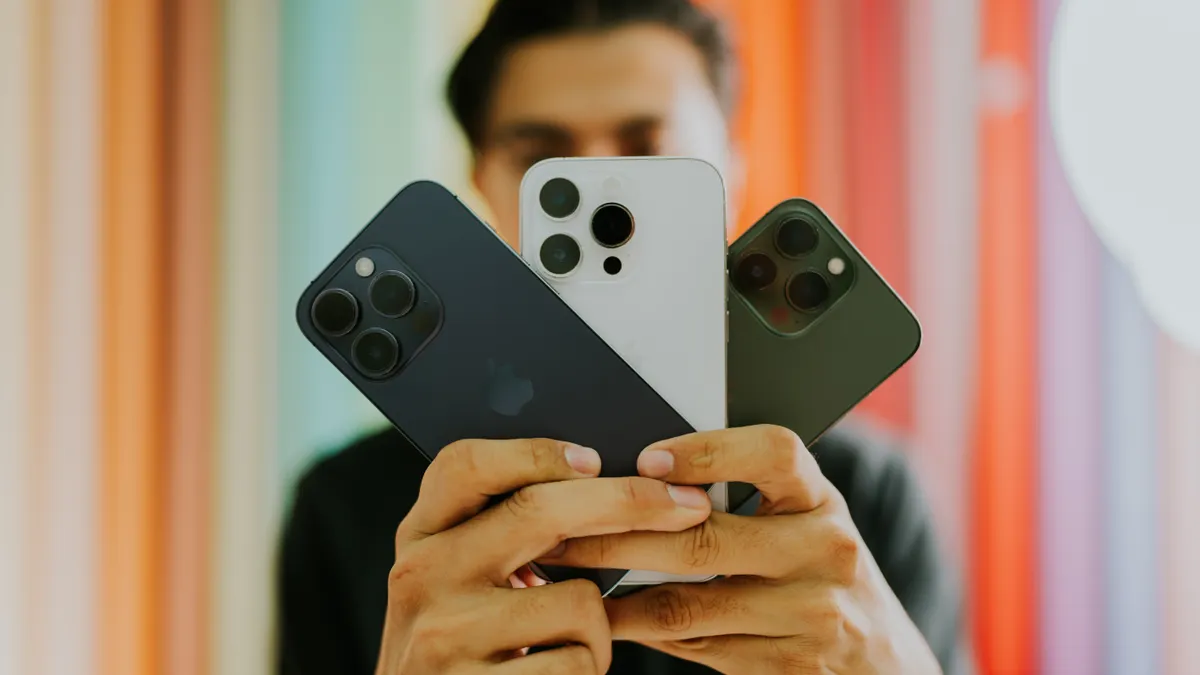
The right phone is the one that handles your main job without friction. If you mostly message, browse, and stream, a midrange model with 128 GB storage and a large battery may be enough. If you spend hours on games or shoot lots of low-light photos, the budget has to stretch toward a faster chip, better cooling, and a stronger camera system.
The easiest mistake is shopping by headline specs alone. A 200 MP camera sounds impressive, but sensor size, optical stabilization, and image processing often matter more than the megapixel count. A 6.8-inch display sounds premium, but it can be awkward in one hand and harder to pocket. A phone with 8 GB of RAM may feel fast, but if it has only 64 GB of storage, it can fill up quickly with apps, downloads, and videos.
Think in this order:
- Set the ceiling first. Decide the most you want to spend before you compare models. That stops feature creep. If your cap is around a lower budget range, a flagship-style camera or top-tier gaming chip may simply not be realistic, and that is fine.
- Name the main use case. Choose one primary job: photography, battery life, gaming, or everyday reliability. A phone that is “good at everything” usually costs more than you need to pay.
- Match the display to your habits. A 90 Hz or 120 Hz screen feels smoother than a standard 60 Hz panel, especially when scrolling or gaming. If you read a lot and watch video, it matters. If you mostly make calls, it may not.
- Check storage before processor speed. For many buyers, 128 GB is the practical starting point. If the phone has no microSD slot, extra internal storage matters even more.
- Look at battery size and charging. A large battery can beat a faster chip if the goal is an all-day phone. Fast charging helps if you top up in short bursts.
- Decide how much brand matters. Some people care about iOS, others want Android flexibility, and some want a specific ecosystem for earbuds, watches, or laptops. Brand preference can be a real deciding factor, but it should come after the basics.
That order keeps you from overspending on the wrong part of the spec sheet. It also makes comparison shopping much faster, because you are judging phones against a job, not against marketing copy.
How much should I spend on a phone?
You should spend enough to cover your main use case for the next 2 to 4 years, and not much more. That means a light user can stay near the low end of the market, while a heavy camera user or gamer may need to move up a tier. The useful question is not “What is the cheapest phone?” It is “What price buys the features I will actually notice?”
A practical budget filter looks like this:
- Low budget: Best for calls, messaging, email, social media, maps, and streaming. Expect compromises in camera quality, display brightness, speaker quality, and long-term software support.
- Midrange budget: Often the sweet spot for most buyers. You usually get a better display, stronger battery life, more usable cameras, and enough storage for normal use.
- Upper midrange to premium: Worth it if you care about sustained gaming performance, strong video capture, better low-light photos, or a polished build.
- Flagship: Makes sense only if you want the top camera stack, best display, fastest performance, or a specific ecosystem feature.
The mistake here is assuming that “more expensive” always means “better value.” A phone can be overpriced for your needs if you never use its strongest features. A premium camera system is wasted on someone who mostly sends documents, checks email, and listens to podcasts. On the other hand, a cheap phone can cost more in annoyance if it runs out of storage or lags during basic tasks.
Two trustworthy reference points can help with comparison shopping: GSMArena’s phone specs database for side-by-side hardware checks, and the Android Help Center or Apple’s support pages for update and feature support details. Specs alone do not tell the whole story, but they do keep you from guessing.
If you are undecided, split the difference. Many buyers are happiest in the middle tier because it avoids the biggest compromises without paying for diminishing returns. That is especially true if you replace your phone every few years instead of every year.
Which phone spec matters most?

The most important spec depends on what annoys you most: battery, camera, storage, or performance. There is no universal winner, but there is a useful order of priority for most people.
For everyday users, battery and storage usually matter before raw processor speed. A fast chip does not help if the phone dies at 4 p.m. or if there is no space left for photos and app updates. For camera-first buyers, the sensor, stabilization, and software processing matter more than headline megapixels. For gamers, the chip, thermal behavior, and refresh rate matter more than a fancy secondary camera.
Here is the short version of what to look for:
- Battery: A bigger battery and efficient chip usually beat a spec sheet full of power-hungry extras. If the phone supports fast charging, that is a real convenience, especially when you only have 20 to 30 minutes near a charger.
- Camera: Look for optical image stabilization on the main camera if you shoot indoors or at night. Multiple rear cameras are less important than one good main sensor.
- Storage: 128 GB is the safer floor for many buyers. If you shoot a lot of video, use offline maps, or keep games installed, 256 GB can be more attractive.
- Display: A 90 Hz or 120 Hz display feels smoother. OLED often gives better contrast than LCD, but the panel quality still matters more than the label.
- Processor: A midrange chip is fine for daily use. A high-end chip is worth paying for only if you game heavily, edit video, or want a phone that stays quick under load.
- RAM: Useful, but easy to overrate. Enough RAM helps with app switching, yet it does not fix a weak processor or cramped storage.
A common mistake is buying the “camera phone” and ignoring everything else. That can leave you with a phone that takes nice still shots but feels slow, gets warm, or fills up fast. Another mistake is chasing the highest refresh rate and forgetting battery life. A 120 Hz screen can be lovely, but it can also be a bad trade if you care more about endurance than smooth scrolling.
If you only remember one rule, make it this: buy the strongest version of the spec you will use every day, not the spec that looks best in a product title.
How do I choose a phone for gaming without overspending?
Because gaming is one of the few use cases where the inside of the phone matters more than the outside, choose a phone for gaming by prioritizing the chip, sustained performance, screen refresh rate, and battery, then stop before you pay for camera extras you will not use.
A good gaming phone does four things well:
- Keeps frame rates steady. Short bursts of speed are not enough; the phone should handle 20 to 40 minutes of play without becoming sluggish.
- Stays cool enough to hold. Heat can throttle performance. Larger bodies and better cooling designs often help here.
- Has a high-refresh display. A 90 Hz or 120 Hz screen can make supported games feel more responsive.
- Has enough battery. Fast processors and bright displays drain power quickly, so a larger battery is useful.
You do not need a gaming-branded phone unless you play demanding titles for long sessions or care about shoulder triggers, aggressive cooling, or specialized software tools. For many buyers, a strong upper-midrange model is a better buy than a niche gaming handset. Those phones often have better cameras, cleaner software, and a more normal design.
The trap is overspending on a top chip while ignoring the rest of the build. A flagship processor with poor battery life is frustrating if you play on the commute. A 144 Hz display is not a win if the games you actually play do not support it. And if your gaming is limited to light titles, puzzle games, or a few rounds of sports games, the extra cost can be wasted.
If gaming is your main use case, look closely at benchmark patterns, thermal reports from reputable review sites, and the phone’s charging speed. A phone that holds performance better over time will feel much better than one that peaks high for a minute and then drops.
What camera setup fits your budget and photo habits?
The best camera setup is the one that matches what you shoot most, not the one with the biggest megapixel number. If you mostly take daylight portraits, a competent main camera may be enough. If you shoot kids indoors, pets at dusk, or travel video, you need better stabilization, a stronger sensor, and better processing.
A practical camera checklist:
- Main camera first: This is the lens that matters most on most phones. A good main camera can outperform a phone with more lenses but weaker processing.
- Night performance: Ask whether the phone is known for usable low-light photos rather than just brightened, noisy images.
- Video stabilization: Important if you record motion, walk while filming, or share clips often.
- Ultrawide and zoom: Nice to have, but often secondary unless you know you will use them often.
- Selfie camera: Matters if you make video calls, create short-form content, or take a lot of front-facing photos.
A budget phone can still take pleasing daytime photos, especially in good light. The trade-off is that low-light images, zoom, and moving subjects usually suffer first. Midrange phones often improve the main camera a lot, but they may still cut corners on the secondary lenses. Premium phones usually do better across more situations, but the price jump can be hard to justify if you do not care about photo quality.
One frequent mistake is buying a phone because it has three or four rear cameras. Number of lenses is not the same as quality. Another is ignoring software processing. Two phones with similar hardware can produce very different results because of sharpening, HDR handling, and color tuning.
If photos are the reason you are spending more, make sure the rest of the phone still fits your life. A camera-first phone that has weak battery life or too little storage will still annoy you. A phone with 256 GB storage and a better main camera can be a smarter buy than a pricier model with fancy extras you barely use.
What storage and battery setup will keep the phone usable for years?
A phone stays pleasant to use when it has enough storage and enough battery to avoid daily friction. For many buyers, that means starting at 128 GB of storage and choosing a battery that can last a full day under normal use.
Storage is easy to underestimate. Photos, videos, app caches, offline playlists, and app updates all consume space. If the phone does not support expandable storage, low capacity becomes a long-term problem rather than a minor inconvenience. A 64 GB phone can feel cramped quickly once the system software and a handful of large apps are installed. That is why 128 GB is the safer baseline for most people, with 256 GB making sense for heavy photo, video, or game users.
Battery choice depends on your routine. If you are near a charger most of the day, you may care more about fast charging than raw battery size. If you travel, commute, or spend long stretches away from outlets, battery endurance matters more than charging speed. A phone that lasts reliably through the day is often worth more than a slightly faster one that needs a top-up by late afternoon.
The trade-off is simple: more battery can mean a thicker or heavier phone. More storage usually means a higher price. If you are price-sensitive, choose based on your habits, not fear of running out someday. A person who uses cloud storage, streams music, and takes modest numbers of photos can get by with less. A person who records 4K video or keeps many offline files should not.
This is where the decision process becomes practical: a well-chosen phone is not the one with the most impressive list. It is the one that stays easy to live with after the first week.
Brand preference and software: what is worth paying for?
Brand preference is worth paying for only when it changes how you use the phone every day. If you already own a watch, earbuds, laptop, or tablet from one ecosystem, the matching phone can save time and reduce friction. If you do not care about ecosystem features, brand loyalty alone is a weak reason to overspend.
Software support matters here too. Many buyers focus on hardware and forget update policy, interface quality, and app support. A phone with excellent hardware but poor long-term software support can become a less attractive purchase than a slightly weaker model with better update commitment. That does not mean you need the longest possible support promise; it means you should care whether the phone will still feel current for the years you plan to keep it.
Brand also affects the day-to-day feel of the phone. Some people prefer a clean interface with minimal extras. Others like more customization.
FAQ
How do I choose a mobile phone by price and use case if I only use it for basics?
Start with the cheapest phone that still has enough storage, battery, and update support for your daily tasks.
Is 128 GB enough for most people?
Yes, 128 GB is enough for many buyers who do not store lots of large videos or games on the phone.
Should I pay more for a better camera?
Only if you care about low-light photos, video, or consistent image quality enough to notice the difference.
What matters more for gaming: refresh rate or processor?
Both matter, but a strong processor and steady performance usually matter first, then refresh rate.
Does brand really matter?
It matters most if you already use the same ecosystem for a watch, laptop, or earbuds.
Drafted with AI; not yet reviewed by a person.