
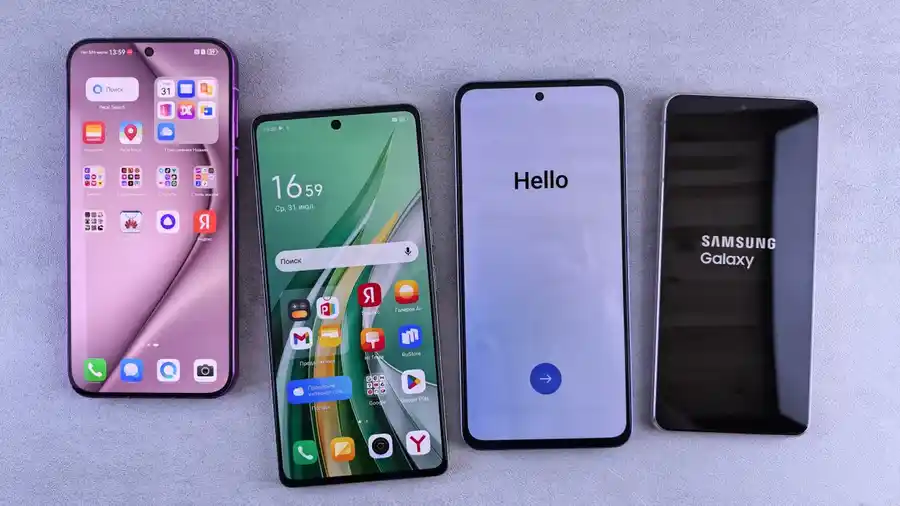
Latest Mobile Phones Released This Year
Last updated: November 05, 2026
Quick answer: the latest mobile phones released this year are the current Samsung, Apple, Xiaomi, OnePlus, and Google Pixel flagships, and the right one depends on whether you value current hardware, software support, and launch pricing most. The trick is not to chase every launch, but to separate the phones that are actually on sale from the ones still announced, teased, or region-locked.
Key takeaways
- The newest releases usually arrive in waves, not all at once, so the “latest” phone depends on the month and the market.
- Samsung, Apple, Xiaomi, OnePlus, and Google Pixel are the brands most shoppers compare first because they set the pace for camera, chip, and software updates.
- Release date matters as much as specs: a phone launched in February can be easier to buy than one announced in September.
- Starting price is only useful when paired with storage tier, region, and availability, because launch pricing shifts fast.
- If you care about long software support, camera processing, and resale value, the newest flagship may be a strong option, but it is not always the smartest buy.
The latest mobile phones released this year, in plain English
The latest mobile phones released this year are the current-generation models from the biggest brands, especially Samsung, Apple, Xiaomi, OnePlus, and Google Pixel. These are the phones most readers mean when they search for new mobile phones: the ones with fresh chips, updated cameras, and the shortest gap between launch and retail availability.
A generic roundup can get this wrong by treating every announcement the same; for buying decisions, consult the brand’s official product pages and a professional retailer or carrier if you need pricing or availability confirmation in your region. A teaser at a launch event is not the same thing as a phone you can order today. A regional release in one country is not the same as a global launch. And a base model at a lower starting price is not the same as the fully loaded version with more storage.
For shoppers, the right question is simple: which new phones are real, buyable, and worth comparing against last year’s models? That means focusing on three facts for each release:
- the launch window,
- the headline hardware,
- the starting price at launch.
That is also why this page does not try to rank the “best” phone or break phones into budget buckets. Those are different searches with different decision rules. Here, the job is to identify the newest phones and show what they bring to the table before pricing gets messy.
A useful way to think about current launches is by brand timing. Apple usually sets the late-year premium cycle. Samsung tends to open the year with its Galaxy S line, then fills in the foldable and fan-edition tiers later. Xiaomi and OnePlus often push early flagship alternatives with aggressive hardware. Google Pixel remains the reference point for Android software and camera processing.
If you are checking prices, remember that launch MSRP and street price are not the same thing. The launch number tells you where the phone started; the real market number can move within weeks, especially after carrier deals or regional promotions. For a baseline, Apple’s iPhone 16 lineup starts at $799, Samsung’s Galaxy S25 family starts at $799.99, and Google’s Pixel 9 starts at $799, so the first price you see is usually only the starting point.
Which new Samsung phones should you look at first?
Samsung’s newest phones are the Galaxy models that define the Android flagship tier, starting with the main Galaxy S launch and usually followed by foldables later in the year. If you want a current Samsung phone, that is where the search starts. For launch-date tracking, Samsung’s newsroom and product pages are the most reliable starting point, and the company’s Galaxy lineup is also where a lot of Android comparisons begin.
Samsung matters because it spreads its releases across more categories than most rivals. A new Galaxy S model is built for the broad flagship audience. A new Galaxy Z Fold or Galaxy Z Flip is aimed at buyers who want a folding form factor and are willing to pay for the hinge, the larger display, and the thicker chassis. That difference changes everything from battery shape to camera compromise.
A few things to check on Samsung launches:
- Release date: Samsung often launches its S-series early in the year, then follows with foldables midyear.
- Chipset: some regions get a different processor than others, which affects battery life and benchmark comparisons.
- Display size: Galaxy S Ultra models are large; they are not the right fit for one-handed use.
- Starting price: the Ultra tier usually starts far above the base Galaxy S model, and storage upgrades can raise the launch price quickly.
Samsung phones are not for everyone. The top-end models can be expensive, and the software layer is feature-rich enough that some buyers never use half of it. If you want the cleanest Android experience, Samsung is often not the simplest answer. If you want one of the most complete hardware packages on launch day, it usually is.
The practical move is to compare the newest Galaxy model with last year’s equivalent, not with a cheaper midrange phone. That is where the real value question sits. A new Galaxy S phone may bring a brighter display, better zoom, or a more efficient chip, but the older model can still be the better deal if the price gap is wide enough. Samsung’s own spec sheets and release notes make those year-over-year differences easier to verify.
For readers tracking the latest mobile phones across all brands, Samsung is the anchor point for the Android side of the market.
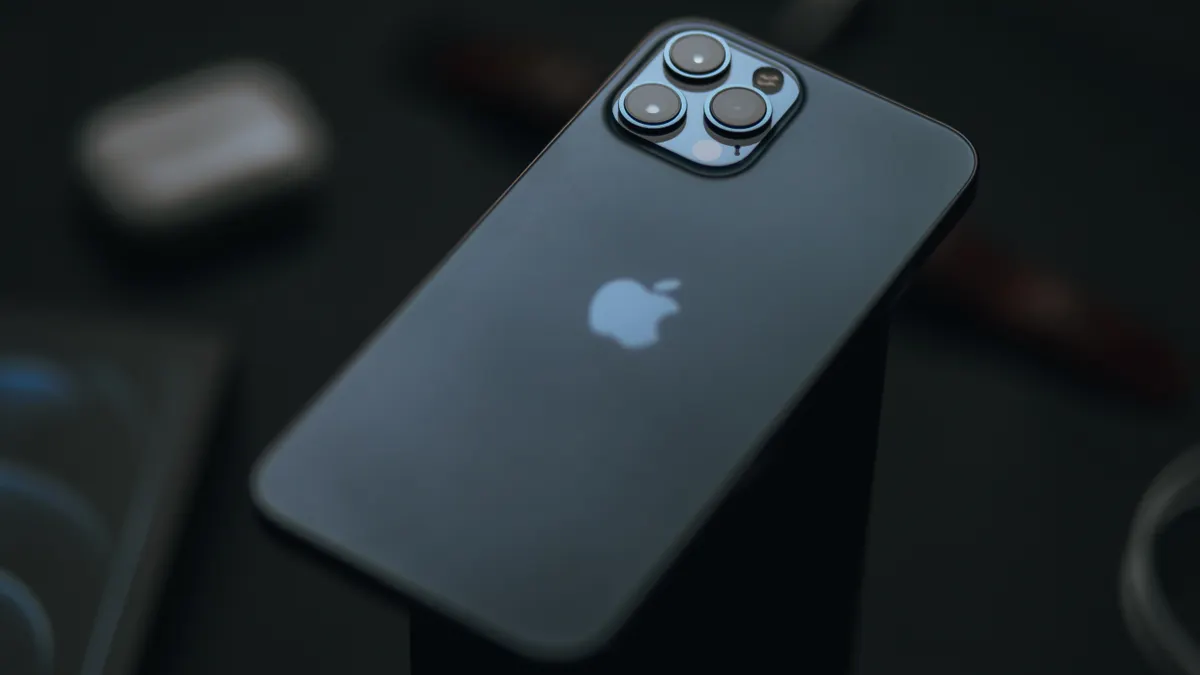
What does Apple’s newest iPhone actually change?
Apple’s newest iPhone usually changes the camera, chip, battery behavior, and long-term software support more than the outside shape. That is why the latest iPhone launch is still the benchmark many buyers use even if they do not plan to buy one. Apple’s newsroom and iPhone comparison pages are the cleanest way to confirm the model-by-model differences.
Apple’s release cadence is predictable compared with Android rivals. The main iPhone family generally arrives in the second half of the year, which makes Apple the brand to watch if you are waiting for a fresh premium model before holiday buying. The trade-off is that Apple rarely changes everything at once. The body may look familiar, while the real improvement sits in the processor, image pipeline, or thermal design.
When looking at a new iPhone, focus on four things:
- Model tier: the base iPhone, Plus-style larger model, and Pro line are not equal buys.
- Storage tier: the starting price usually assumes the lowest storage option.
- Camera system: the Pro models tend to get the strongest imaging hardware and video features.
- Ecosystem fit: if you already use Mac, iPad, or AirPods, Apple’s value rises because the handoff and account sync matter more.
This is where many roundup articles go shallow. They say “new iPhone” as if one model fits every buyer. It does not. The base model is often the sensible choice for most people. The Pro Max-style version is for users who want the biggest screen and are willing to carry the weight, cost, and size penalty.
Apple may be a poor fit for readers who want the cheapest way into a flagship or who want deep customization. It is a strong fit for buyers who care about resale value, long update support, and predictable launch timing. Price is the clearest drawback: the latest iPhone lineup usually starts high, and that makes storage and accessory costs more important than they look on the product page.
If you are comparing the latest mobile phones, Apple’s position is simple: it usually offers the least surprise, not the lowest price.
Xiaomi and OnePlus: the fast-moving alternatives worth watching
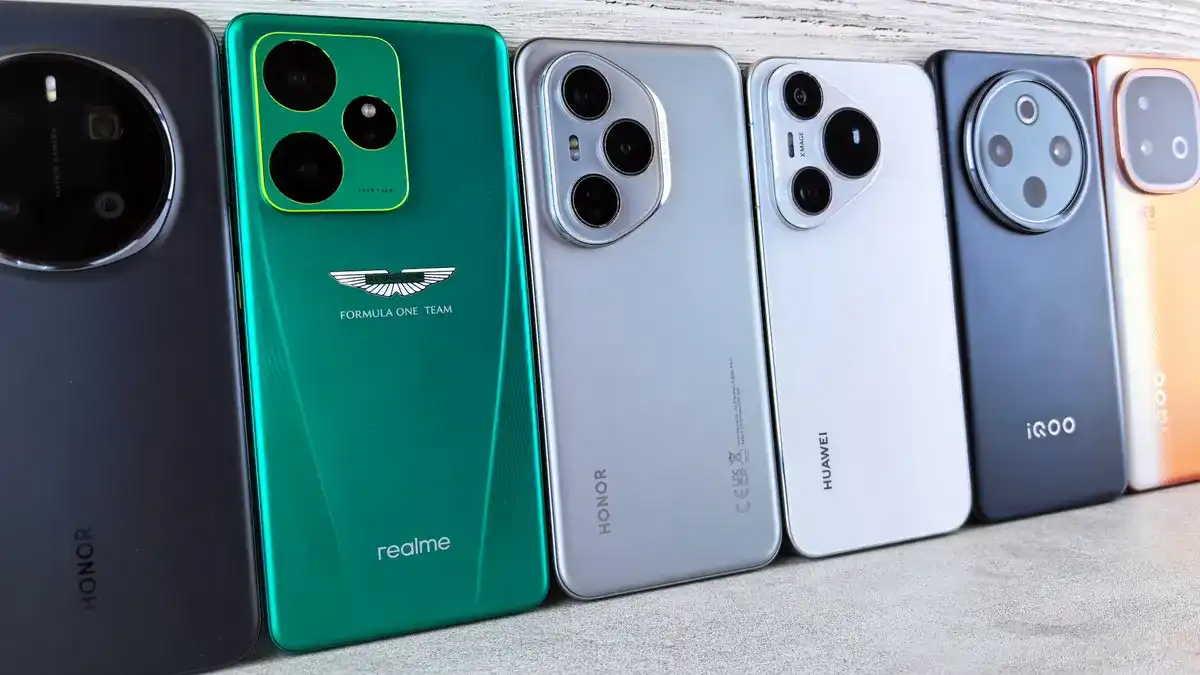
Xiaomi and OnePlus are the newest-phone brands to watch when you want high-end hardware without automatically paying the highest premium price. They often move fast on charging speed, display quality, and raw specs, even when the software experience feels different from Samsung or Apple.
These two brands are not interchangeable. Xiaomi tends to cover a broader spread of models, from flagship to midrange, with a strong emphasis on cameras and charging. OnePlus usually keeps its line tighter and sells on speed, display smoothness, and a cleaner-feeling interface than many rival Android skins.
A buyer comparing the latest Xiaomi or OnePlus release should check:
- Charging wattage and charger inclusion: some markets include the charger, some do not.
- Display technology: look for LTPO panels, refresh-rate behavior, and peak brightness claims.
- Camera tuning: megapixels alone do not tell you how the photos will look.
- Region availability: many models launch in China first, then roll out later elsewhere.
That availability gap is the trap. A phone can be “new” in one market and still unavailable in another for weeks or months. If you are shopping from the UK, EU, India, or the US, the launch date you see in a headline may not be the date you can actually buy it.
Xiaomi may not be the safest pick for someone who wants a minimal, polished software experience out of the box. OnePlus may not be the best fit for someone who wants the most consistent camera processing in every scene. Both can be excellent value if you understand what they are optimizing for, and both can frustrate people who expect Apple-style simplicity.
In practical terms, these are the brands to watch if you want the newest hardware features first. They often bring large sensors, fast charging, and sharp displays to market before some rivals do. That speed comes with trade-offs: software preferences, regional model differences, and shorter windows before the next refresh appears. If you want a model-by-model reference, the official Xiaomi and OnePlus product pages are the safest place to confirm the exact specs before you buy.
Google Pixel: the newest Android answer for camera and software updates
Google Pixel phones are the newest Android models to check if you want fast software updates, strong computational photography, and a cleaner software layer than most Android rivals. That is the Pixel proposition, and it stays consistent from launch to launch. Google’s Pixel hardware pages and Android update documentation are the most authoritative sources for that position.
A Pixel release matters because Google uses it to show what Android should feel like on first-party hardware. The camera system is usually less about the biggest sensor and more about image processing, tone mapping, and machine-assisted results. That is why many readers compare Pixels with Samsung and Apple even when the hardware sheets look different.
When you are judging a new Pixel, pay attention to:
- Update policy: Google usually leads Android brands on early access to new Android versions.
- Camera features: Pixel models often add or refine AI-assisted shooting tools.
- Battery and thermals: Pixels can be strong in software but still face mixed battery perceptions depending on model generation.
- Storage starting point: the entry price may look reasonable until you move up one storage tier.
Pixel phones are not for everyone. If you want the widest accessory ecosystem, the most aggressive charging, or the most customizable hardware options, another brand may suit you better. If you want a straightforward Android phone with the cleanest software path, Pixel is still one of the easiest recommendations to make.
The biggest mistake readers make with Pixel launches is assuming “Google phone” means “cheap phone.” It usually does not. A Pixel can sit squarely in premium territory, and the price needs to be judged against its software strengths, not against low-cost Android models with weaker support. For context, the Pixel 9 starts at $799, which puts it directly into the same conversation as Apple and Samsung flagships.
For this year’s latest mobile phones, Pixel belongs in the first comparison group, not the afterthought pile.
How I would compare a new phone before paying launch price
A safe way to compare the latest mobile phones is to sort them by release date, carrier status, and starting price before you look at camera samples or benchmark talk. That keeps you from buying into hype.
Here is a simple method that works on any launch day:
-
Check the official release window first.
Look for the brand’s announcement date and the first on-sale date in your region. The result you want is a phone you can actually buy, not just a handset that exists in a keynote slide deck. -
Match the exact model name, not the family name.
“Galaxy S,” “iPhone,” or “Pixel” is not enough. Check whether you are looking at the base model, the Pro model, or the foldable version, because starting prices and hardware differ sharply. -
Note the launch storage tier.
A phone quoted at a certain starting price is almost always the lowest storage version. If the next storage step is the one you would really buy, that launch price is not your real price. -
Check market availability.
Verify whether the model is global, regional, or carrier-tied. The result should be clear: can you buy it opened where you live, or do you need to wait? -
Compare the one or two specs that matter to you most.
For some buyers that is camera zoom. For others it is battery life, charging speed, or screen size. Ignore the rest until the shortlist is small enough to matter. -
Measure it against last year’s version.
A newer model should justify itself with a specific gain: better battery behavior, a stronger chip, a cleaner camera, or longer support. If the improvement is vague, the older model may be the smarter buy.
This process saves money because launch phones lose their novelty premium quickly. It also keeps you from paying extra for features you will never use. The latest release is not automatically the best value, especially during the first 30 to 60 days after launch.
What most roundup articles leave out about new launches
Most roundup articles leave out the timing gap between announcement, shipping, and real-world pricing. That gap is where buyers get burned.
The first mistake is assuming a launch equals availability. A phone announced in one month may not land in stores in every region until later. That matters if you are trying to replace a broken device now, not someday.
The second mistake is treating starting price as a final price. Starting price is just the base storage model at launch. Once you add more storage, a case, or a charger that is not in the box, the total climbs fast.
The third mistake is overvaluing specs that look big on paper. A 200-megapixel camera sensor, a very fast charging claim, or a huge battery number does not automatically mean the better phone. Camera tuning, heat management, and software support are part of the real experience.
The fourth mistake is ignoring regional differences. Xiaomi and OnePlus in particular may release different variants depending on market. Samsung and Apple also vary by region in radio bands, SIM support, and carrier packaging.
A reader should be especially cautious with any headline that says “the latest phone” without a date. That phrasing can be true for a week and misleading the next month. The cleaner habit is to ask: latest where, and latest in which lineup?
I would not choose the newest model simply because it is newest if:
- the price jump is too large for the upgrades offered,
- the region launch is delayed,
- or the model is a first-generation foldable-style device with obvious thickness and durability compromises.
That is the honest trade-off. New releases deliver the newest silicon and software promises, but they also carry first-wave pricing and sometimes first-wave quirks.
Where to check official release details before you buy
The best place to confirm a new mobile phone release is the manufacturer’s official newsroom or product page, followed by a reputable retailer or carrier page for local availability and pricing. Apple, Samsung, Google, Xiaomi, and OnePlus all publish launch details on their own sites, and those pages are the safest source for exact model names, specs, and on-sale timing.
If you want to cross-check facts before paying launch price, use this order:
- the brand’s official announcement,
- the official product/spec page,
- your local carrier or retailer,
- and then independent reviews once samples are in hand.
That matters because launch articles can drift out of date quickly. A model can be renamed, staggered by region, or bundled differently within days. Checking the source first helps you avoid buying the wrong variant or assuming a phone is available when it is not.
For readers who want the latest mobile phones without confusion, the rule is simple: verify the model, verify the price, and verify the date before you decide.
Drafted with AI; not yet reviewed by a person.