

How Phone Price Ceilings Differ Across Budget, Midrange
Last updated: November 27, 2026
Quick answer: In this article on How phone price ceilings differ across budget, midrange, and flagship segments, the ceiling usually rises in four steps: budget, midrange, flagship, then ultra-premium. A Pixel 8a, Galaxy A55, and iPhone Pro can all handle the same basic apps, but they do not sit in the same price lane.
Phone price ceilings in How phone price ceilings differ across budget, midrange, and flagship segments rise in steps: budget phones stop at the bare essentials, midrange phones stop where premium extras start to matter, flagship phones stop where top-tier parts and branding take over, and ultra-premium phones push past the flagship ceiling with luxury materials or special editions. If you are trying to judge a model’s place on the shelf, start with the segment first, then check the features that usually come with it.
Therefore, the keyword in this guide is not just the price tag. It is the segment ceiling that frames the price tag. For example, a 2024 Pixel 8a belongs in a different ceiling than an iPhone Pro, even when both can run the same everyday apps.
Key takeaways
-
Budget, midrange, flagship, and ultra-premium are not just labels; they signal different limits on what a phone can include.
-
The ceiling in each segment is set by parts, camera hardware, chipset class, display quality, and brand position, not by one single feature.
-
A phone can feel expensive for its segment and still be a normal fit if it is carrying one or two premium parts.
-
A strong midrange phone can cover most needs without paying for the full flagship package.
-
The wrong segment choice is easy to spot: a budget phone with flagship expectations, or a flagship phone bought only for one feature that a cheaper model already handles.
Accordingly, the best buy is not always the highest segment. In many cases, a well-priced midrange phone is the better fit for the buyer’s needs.
What is a phone price ceiling?
A phone price ceiling is the highest price a model can reach while still fitting its segment. In plain terms, it is the point where a budget phone stops being budget, a midrange phone stops being midrange, and a flagship phone becomes an ultra-premium phone.
That ceiling is not set by a law of nature. It comes from market positioning. A brand decides how much hardware, software support, design polish, and camera performance it wants to pack into one model before the phone starts competing with models above it. That is why a Pixel 8a, a Galaxy A-series phone, and an iPhone Pro do not sit in the same lane even if they all make calls, stream video, and run the same basic apps.
Likewise, the clean way to read a ceiling is this: ask what the phone is allowed to omit. A budget phone can leave out a metal frame, telephoto camera, or top-end chipset and still make sense. A flagship cannot always do that without changing its position in the lineup. An ultra-premium phone goes one step further and adds a higher emotional price layer, often tied to exclusivity rather than raw usefulness.
How do budget phone ceilings work?
Budget phone ceilings are held down by simple parts, fewer extras, and a tighter list of must-have features. That usually means one main rear camera, a modest chipset, basic storage, and a screen that is good enough rather than luxurious.
Because the budget ceiling is defined by restraint, a budget phone can still feel complete if it handles messaging, browsing, video, and light apps without obvious lag. Once it starts adding features like advanced camera arrays, premium glass, fast wireless charging, or a high-end processor, it is moving out of budget territory and into midrange pricing logic.
The mistake many shoppers make is expecting a budget phone to behave like a top model with a smaller bill. That rarely works. A budget phone is the right fit when the buyer wants the lowest sensible price and can live with trade-offs in camera zoom, gaming speed, and finish quality. It is the wrong fit for someone who wants long-term heavy use, high-end photography, or the feel of a flagship device.
In short, a budget ceiling is not about being bad. It is about what is excluded so the phone can stay cheap enough to compete with other entry-level models.
How do midrange phone ceilings work?
Midrange phone ceilings sit where the phone becomes polished enough to feel premium in hand, but not so loaded that it joins the flagship class. This is the segment where brands usually try to look smart on value, not lavish on specs.
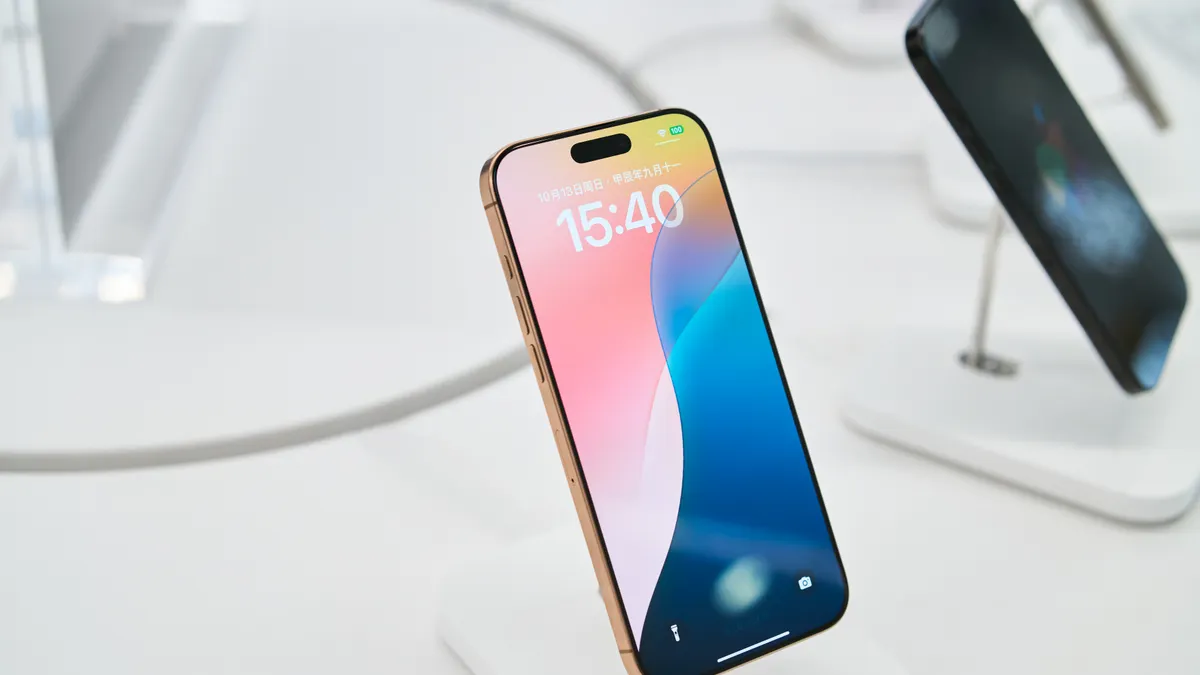
Specifically, a midrange phone often gets a better screen, stronger battery life, a more capable chipset, and a camera system that handles most scenes well. What it usually does not get is the full stack of premium extras: top-shelf zoom hardware, the very fastest chip, the brightest display, or the heaviest build materials. That gap is the ceiling.
Meanwhile, this segment is where positioning gets tricky. A model like a Pixel 8a or a Galaxy A55 can be priced high enough to feel premium, yet still stay below a flagship because it trims back one or two expensive pieces. That is why the midrange ceiling is the most flexible of the four segments. Brands use it to protect room above and below: enough distance from budget phones to justify the upgrade, and enough gap from flagships to keep the higher tier special.
The common trap is assuming midrange automatically means best value. Sometimes it does. Sometimes the phone is priced so close to flagship territory that the buyer is paying almost the same amount for fewer premium parts. That is the point where the ceiling stops being helpful and starts becoming a warning sign.
Why do flagship phones cost so much more?
Flagship phones cost more because they carry the most expensive parts, the most ambitious feature sets, and the strongest brand position in the lineup. The ceiling is higher because the phone is expected to be a top general-purpose model, not the cheapest route to a working smartphone.
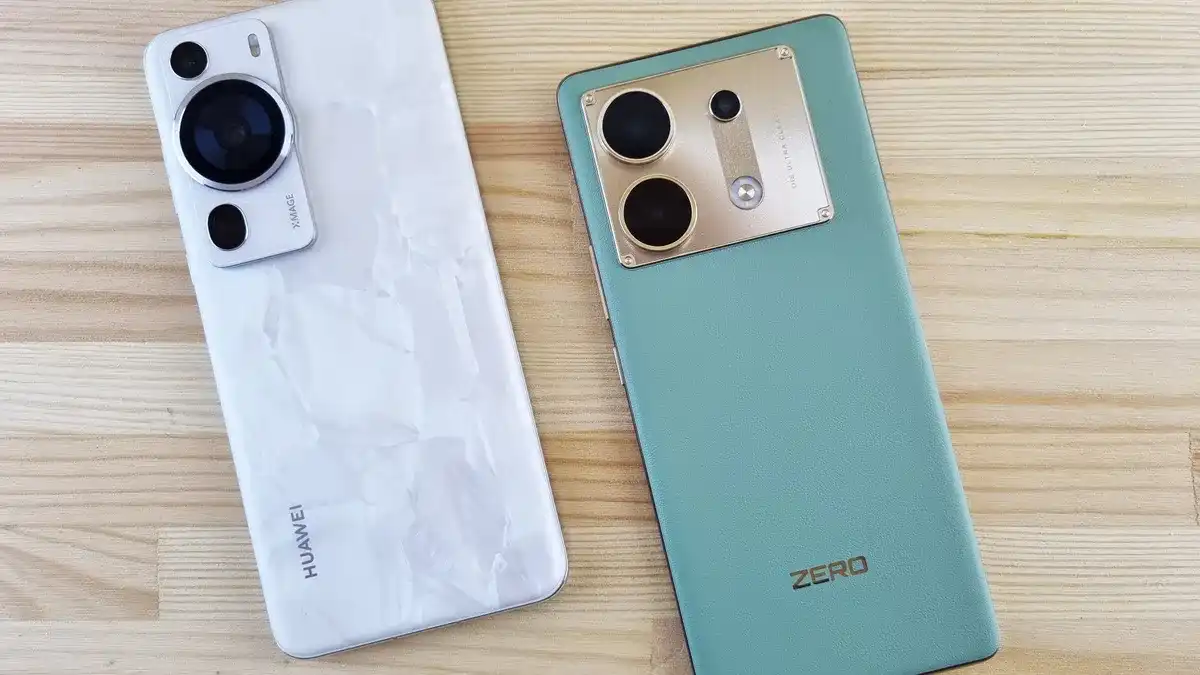
Generally, a flagship includes the fastest chipset class available to that brand, the best camera hardware, a top display, premium materials, stronger water resistance, and software features that the lower models do not get. That package costs more to build, but brand strategy also matters. A flagship is a statement product. It helps frame the whole lineup, even for people who never buy it.
Here is the difference in plain terms:
Segment
What the ceiling usually allows
What it usually leaves out
Best fit
Budget phone
Basic parts, one main camera, modest screen, core apps
Premium materials, advanced zoom, top chipset
Lowest-cost buyers
Midrange phone
Better screen, stronger battery, nicer cameras, smoother performance
Top-end camera stack, the fastest chip, luxury finish
Buyers who want balance
Flagship phone
Best chip, best cameras, premium build, most features
Very little within the brand’s own lineup
Buyers who want top specs
Ultra-premium phone
Flagship core plus exclusivity, special design, or luxury treatment
Price restraint
Buyers who want status or special editions
As a result, flagship phones are easy to overbuy. If the user mainly checks email, chats, watches video, and takes casual photos, much of the flagship price ceiling buys features that may never be noticed. That is not a defect in the phone. It is a mismatch between segment and need.
What makes an ultra-premium phone different from a flagship?
Because of that extra layer, an ultra-premium phone is different because it sits above the normal flagship ceiling and charges for rarity, polish, or special treatment. It is not simply a standard model with the top trim. It is often a phone with extra design ambition, a more expensive build, a limited market position, or a feature set aimed at buyers who want something beyond everyday practicality.
An iPhone Pro or Galaxy S Ultra line can already be expensive, but an ultra-premium phone pushes past that by adding another layer of exclusivity. That layer may come from a foldable design, a luxury finish, a special edition, or a brand strategy that treats the phone as both a tool and a status object. The extra cost is not always tied to better daily usefulness.
However, this is where the ceiling question matters most. A flagship ceiling can be defended on performance and parts. An ultra-premium ceiling is harder to defend on utility alone. For buyers unsure whether that premium is worth it, it is wise to compare with a retail specialist or qualified adviser before spending.
See Samsung’s foldable lineup and Apple’s Pro range for examples of how brands separate premium tiers. See Google’s Pixel A-series for a lower-ceiling counterpoint.
That makes it the wrong segment for value-first shoppers. It is also the wrong segment for anyone who only wants the longest list of features for the lowest possible spending limit. The phone may be excellent. The price ceiling still depends on taste, not need.
How should you read segment ceilings before you buy?
Ultimately, you should read segment ceilings by asking what the phone is paying for: essentials, balance, performance, or prestige. That question tells you whether the model is priced where it should be or whether it has drifted too close to a higher segment.
Use this simple order when you compare models:
-
Identify the segment first. A budget phone, midrange phone, flagship phone, or ultra-premium phone should be obvious from the feature mix and the brand’s own lineup.
-
Check the expensive parts. Look at the chipset class, camera hardware, display quality, and build material. These are the usual reasons the ceiling rises.
-
Ask what is missing. If a model has a high price but still omits things that matter to you, the ceiling may be too high for your use.
-
Compare it with the next tier up and down. A midrange phone that sits too close to a flagship needs a strong reason to exist.
-
Decide whether the ceiling matches your use. Heavy photography, gaming, or long-term use can justify a higher ceiling. Basic calls, social apps, and web browsing usually do not.
For instance, this is the practical part many generic guides skip. Price ceilings are not about the most expensive phone you can afford. They are about the most expensive segment that still makes sense for your day-to-day use. A budget phone is not “too cheap” if the features match the job. A flagship is not “too much” if you need the premium parts. The segment line tells you where the phone is allowed to stop.
Which segment is the wrong fit for some buyers?
Therefore, the wrong fit is usually a flagship or ultra-premium phone bought for budget-level needs, or a budget phone bought for flagship-level demands. Those mismatches cost more than just money.
A budget phone is the wrong fit if the buyer wants fast gaming, advanced camera zoom, or a smooth feel over several years of heavier use. The price ceiling may be low, but the performance ceiling is low too. That is the trade-off.
Because the buyer’s use case matters, a flagship phone is the wrong fit if the buyer only wants a solid screen, decent battery life, and normal app use. In that case, the buyer is paying above the useful ceiling for features that look good on a spec sheet but matter little in daily life.
A midrange phone is often the safest middle ground, but not always. If the model is priced too near a flagship, the ceiling no longer gives a clear value edge. If it is priced too near a budget phone, it may not deliver enough extra to justify its place. That is why segment pricing is a positioning strategy, not just a label.
In short, budget phones cap out on essentials, midrange phones cap out on balanced polish, flagships cap out on top-tier hardware, and ultra-premium phones cap out on exclusivity. Once you see those ceilings, the right choice gets much easier to spot.
Drafted with AI; not yet reviewed by a person.