
Why rugged phones cost more
Last updated: November 27, 2026
Quick answer: rugged phones often cost more for five main reasons. Why rugged phones and specialty phones are priced differently comes down to tougher casings, more seals, more certification work, and lower sales volume than a standard phone. A rugged smartphone is not just a phone with a thicker shell. It is usually an enterprise device with a water resistance rating, shock-resistant casing, and extra design work that pushes the price away from a mainstream model.
Key takeaways
-
Rugged phones cost more because they need more material, more assembly steps, and more testing than a regular phone.
-
The price gap is not only about durability; it is also about small-batch production and a market built for field work, not mass appeal.
-
Certification and compliance add cost because the phone has to prove it can handle water, dust, drops, and rough use.
-
Specialty phones often charge extra for one specific job, such as a thermal camera, push-to-talk support, or long battery life.
-
A higher price may reflect a phone built around different risks and priorities, rather than being a better phone for every buyer.
What makes a rugged phone cost more?
However, a rugged phone costs more because the hardware has to survive abuse that would crack a normal handset. That means a thicker frame, reinforced corners, sealed ports, stronger glass, and internal parts mounted to handle shock and vibration.
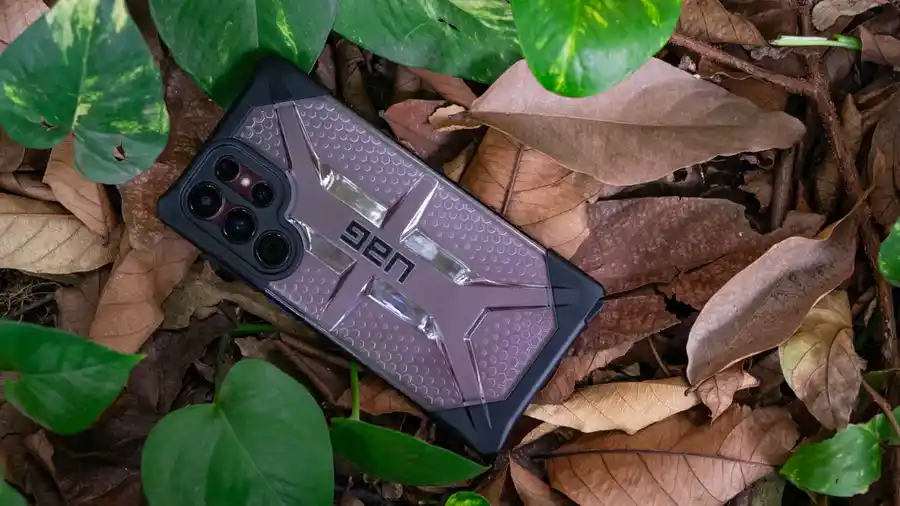
Those extra layers raise the bill in simple ways. A shock-resistant casing uses more material than a slim consumer shell. Gaskets, port covers, and adhesive seals add parts and assembly time. A rugged phone also tends to use a design that sacrifices thinness and style, which makes manufacturing harder to hide behind a plain glass-and-metal body.
Before the first unit ships, the price is also shaped by the promise on the box. If the phone claims a water resistance rating or resistance to dust, the maker has to design and verify the device around those claims. That process is not free, and it is one reason rugged smartphone pricing sits above many standard phones with similar screen sizes or chip classes.
A common mistake is to compare a rugged phone only by processor or camera. That misses the point. You are paying for the device to keep working after rain, grit, drops, and long shifts, not just for the spec sheet to look tidy.
Which parts add the cost?
Specifically, the expensive parts are the seals, the frame, the internal mounting, and the testing, not just the outer shell. A rugged design often changes almost every layer of the phone.
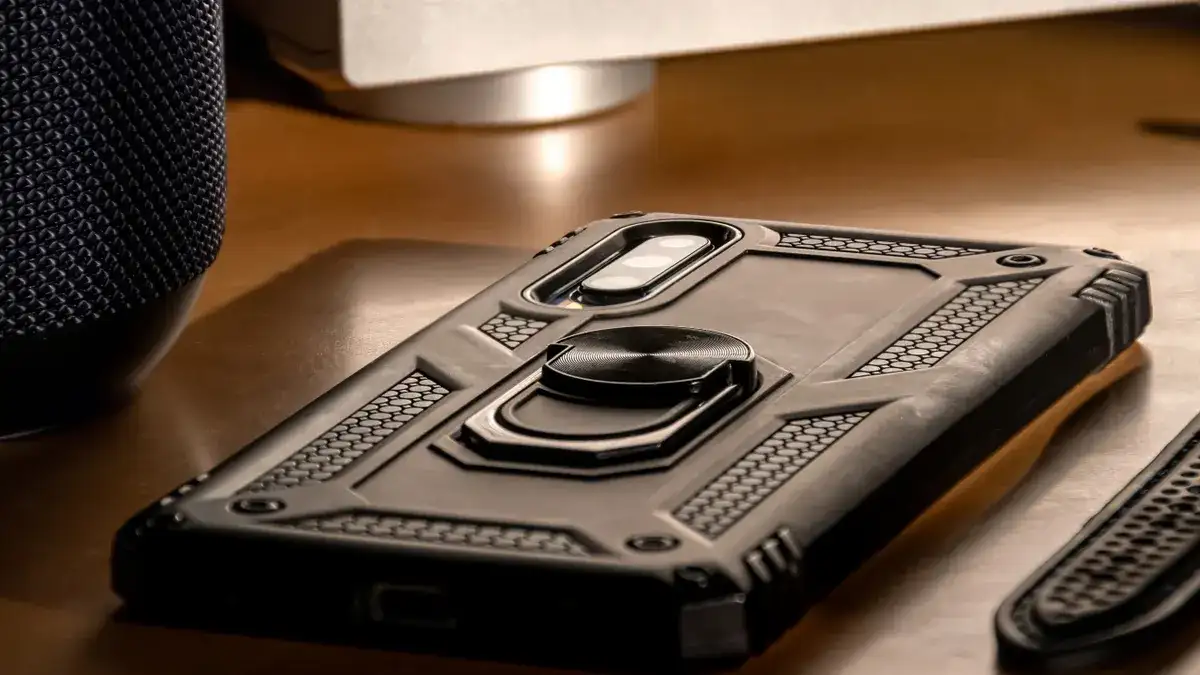
Here is the cost stack in plain terms:
Cost driverWhat it addsWhy it raises the price
Shock-resistant casingThicker housing, reinforced edgesUses more material and more complex molding
Water resistance ratingGaskets, port seals, adhesive barriersAdds assembly steps and tighter quality control
Dust protectionSealed openings and covered portsMakes the design harder to build and repair
Drop-resistant designStronger internal mountsRequires engineering for impact, not just looks
Enterprise device featuresTools for fleets and work useAdds software and support complexity
These parts are not optional decorations. If the phone needs to survive a job site or field use, the design has to be built around stress from the start. That is different from a regular phone, where the main goal is to be thin, light, and easy to mass-produce.
As a result, a rugged phone can feel expensive even when its camera or display does not look special. The value sits in what you do not see: seals, mounts, and structure. That hidden work is one reason rugged smartphone pricing looks out of line to shoppers who only compare visible features.
Why does certification matter?
Because certification matters, rugged claims need proof, and proof costs time and money. A phone cannot just say it is dust resistant or drop resistant because the marketing team wants it to sound tough.
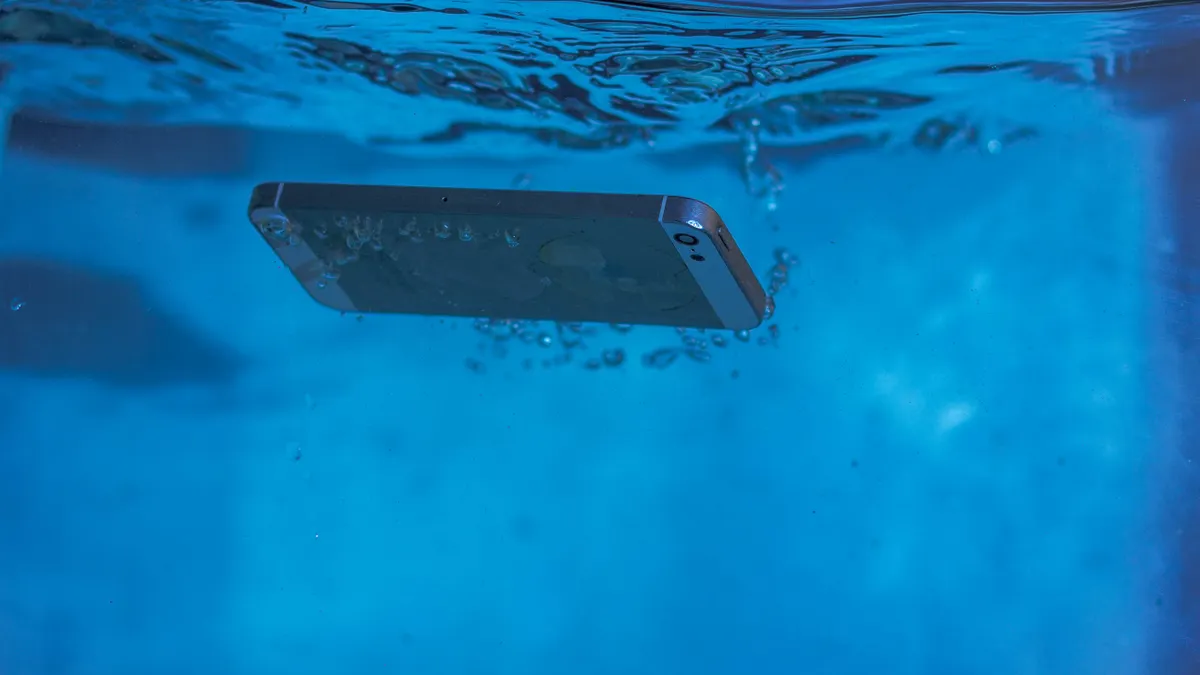
The most familiar standard tied to water and dust protection is IEC 60529, which covers ingress protection ratings. Those ratings describe how well a device keeps out solid particles and water. Some rugged phones also reference MIL-STD-810H, a U.S. military standard often used to describe environmental and shock testing. Those standards do not make the phone indestructible, but they do give buyers a way to judge the claim.
That testing is part of the product cost. The maker has to design, sample, test, fail, adjust, and test again. That is one reason rugged phones are more expensive to make even before the first unit ships. For an enterprise device, the maker may also need extra documentation, longer validation cycles, and support for fleet buyers who expect predictable behavior.
In other words, a standard phone is usually priced to sell in huge numbers to everyone. A rugged phone is priced to survive conditions that most buyers will never see. The certification work is what turns a design idea into something a buyer can trust in mud, rain, or a work van.
If the only reason to buy is “it looks stronger,” the premium may not be worth it. If the phone has to be part of a work system, that certification can be the reason the price makes sense.
Why do specialty phones cost above similar regular phones?
Likewise, specialty phones are priced above similar regular phones because they are built for one narrow use case, not for the average shopper. That use case can be industry work, outdoor field use, long battery life, push-to-talk, thermal imaging, or another niche function.
The market shape matters here. A mainstream phone can spread design and factory costs across huge sales volume. A specialty phone cannot. When sales volume is smaller, each unit has to carry more of the development cost, inventory cost, and support cost. That is a big reason niche device pricing climbs even when the parts list looks ordinary on paper.
Specialty phones also often include features that most buyers do not need, which sounds harmless until you price the engineering behind them. A brighter screen for outdoor use, extra loud speakers, a programmable side key, or a battery meant for longer shifts all add design trade-offs. The phone may be thicker, heavier, or less stylish because the industrial design premium is tied to function, not fashion.
That is why a specialty phone can cost more than a mainstream model with better cameras or a sleeker body. The buyer is paying for a narrow job done well, not for broad appeal. This is also why specialty phones are often wrong for casual buyers: if you will not use the extra function, you are funding a feature set you may never notice.
How do rugged phones compare with regular phones?
Conversely, rugged phones trade appearance and thinness for durability, while regular phones trade durability for lighter design and lower cost. The pricing difference follows that trade.
FactorRugged phoneRegular phone
BodyThicker, reinforced, sealedSlimmer, lighter
Main goalSurvive harsh conditionsBalance design, speed, and camera
TestingMore environmental and drop testingUsually less demanding durability claims
Market sizeSmaller, niche marketMuch larger market
Price pressureHigher per unitLower per unit through scale
Ultimately, this is why a rugged phone is not “an overpriced regular phone.” It is a different product category. A regular phone is built to be comfortable in a pocket and attractive on a store shelf. A rugged phone is built to keep working after rain, grit, and hard knocks.
Even so, rugged does not always mean better for you. If the phone lives in an office bag, the extra weight and thickness can be a bad trade. If your main worry is glass on a coffee shop table, a regular phone with a case may be enough. The premium only makes sense when the phone’s extra strength matches the risk you actually face.
What buyers often miss when they compare prices
However, buyers often miss that rugged smartphone pricing includes the cost of failure avoidance, not just hardware. That is the real difference.
A cheap-looking rugged model may still cost more than a nicer regular phone because it has to handle dust, moisture, drops, and long shifts without giving up. The maker is not only selling parts; it is selling a lower chance of damage in harsh use. That lower risk is hard to see on a store page, which is why price comparisons often feel unfair.
Another missed detail is repair and replacement behavior. A rugged phone may be chosen because losing a day of work costs more than the phone itself. In that setting, the premium can be rational. In a normal home setting, the same premium can be wasted money because the phone never faces the conditions it was built for.
Then, industrial design premium shows up. Some specialty phones look plain because the design effort went into grip, sealing, and durability rather than curves or camera bumps. The value is in the work the phone can take, not in the shelf appeal.
For a wider view of what shapes handset cost, the hub on what affects mobile phone prices gives the bigger framework. This page stays focused on rugged smartphone pricing and the specialty-device premium behind it. Related guides on enterprise phones and phone cases can help compare the trade-offs.
How should a buyer judge the premium?
Therefore, a buyer should judge the premium by the work environment, not by the sticker shock. If the phone will spend time near water, dust, hard floors, tools, or outdoor shifts, the added cost may be justified. If it will live in a clean pocket and sit on a desk, the premium is harder to defend.
A simple decision process helps:
-
List the risks the phone will face, such as drops, rain, dust, or long battery demand.
-
Match those risks to the claims on the box, such as a water resistance rating, reinforced casing, or certified durability standard.
-
Compare the rugged phone with the cost of a normal phone plus a case and screen protector.
-
Check whether the specialty feature is something you will use every day, not once a year.
-
Ignore the style premium and focus on function, repair risk, and downtime.
Finally, this is the point where many buyers save money. If a rugged phone is only needed for occasional travel or weekend use, a normal phone with protection may be enough. If the phone is part of an enterprise device rollout or daily field work, the higher price is easier to defend because the cost of failure is much bigger than the phone’s shelf price.
The price is not random. It is a reflection of engineering, certification, low-volume production, and a market that asks the phone to do a harder job.
Are rugged phones more expensive to make?
Yes. Rugged phones are usually more expensive to make because they need extra material, more sealing, stronger internal mounting, and more testing. A shock-resistant casing and water resistance rating add design and assembly steps that a thin consumer phone does not need. That is why the factory cost rises before the phone ever reaches a shelf.
Why are specialty phones priced above similar regular phones?
In particular, specialty phones are priced above similar regular phones because they serve a narrow market and often include niche hardware or software. When sales volume is smaller, each unit carries more of the development and support cost. The buyer is paying for a specific job, such as field use or enterprise work, not for broad consumer appeal.
Do certification costs affect price?
Yes. Certification costs affect price because standards like IEC 60529 and testing tied to MIL-STD-810H require engineering time, lab work, and repeat validation. Those costs are part of proving that the phone can handle dust, water, shock, or vibration. The more claims a phone makes, the more cost is usually tied to proving them.
Drafted with AI; not yet reviewed by a person.