
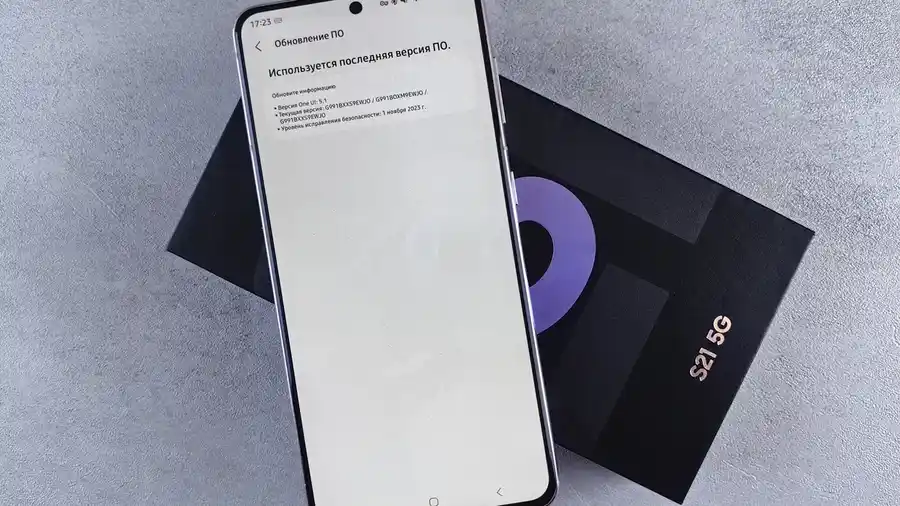
How Software Support Length Influences Phone Pricing and Value
Last updated: November 27, 2026
Quick answer: for a 3-year ownership plan, longer software support can justify a higher phone price, but there is no fixed premium. In the topic of how software support length influences phone pricing and value, the extra cost usually comes from a longer update commitment, more testing, and a bigger support burden. If you are choosing between two similar phones, compare the software update policy beside the listed price, then decide whether the longer support window is worth the extra cost.
Because of that, software support length should be read alongside the rest of the spec sheet, not in isolation. If you want a broader buying framework, see the guide to mobile phone prices and the page on how to choose a phone.
Key takeaways
-
A longer update promise is not “free”; it is one reason two similar phones can sit at different price points.
-
Security updates and operating system upgrades do different jobs, so compare them separately; if you are unsure how to weigh them, consult a professional or the manufacturer’s support page. See Google’s Android update guidance and Apple Platform Security.
-
For many buyers, the best value is a phone that stays supported long enough for the normal upgrade cycle, not necessarily the one with the longest promise on paper.
-
Longer support can help resale value, but that depends on the phone’s condition and market demand.
-
The extra cost makes less sense if you replace phones every 1 to 2 years.
What does software support length change in the price?
Software support length changes the price because a phone with a longer software update policy usually costs more to maintain and to sell. That higher cost can show up as a higher launch price, especially when the manufacturer promises more years of operating system upgrades and security updates.
A phone that receives 7 years of support is doing more work for the maker than a phone that gets 3 years. The company has to keep testing, fixing, and certifying updates across hardware, modem, camera, battery, and regional network variants. That effort is part of the product cost, even when the shopper never sees it on the spec sheet. For a wider look at what goes into a purchase decision, see the phone specs guide.
The plain trade-off is this: shorter support can keep the purchase price lower, but it may shorten the phone’s useful life. Longer support can cost more at checkout, yet it can delay the need to replace the device. That is why support length belongs on the same list as storage, screen, and camera when you compare prices.
Since many buyers keep a phone for 3 years or longer, support length matters most when it matches that period. It matters less for someone who upgrades often, because the benefit of a long support window may never be used. If you are only keeping the phone for a short cycle, paying extra for support beyond that period is money spent on time you will not use.
What is included in a software update policy?
A software update policy usually includes security updates, operating system upgrades, and manufacturer support terms. Those are related, but they are not identical, and the price effect is different for each one.
Security updates patch flaws. They do not usually change the look of the phone, but they matter because they keep the device safer to use. Operating system upgrades are bigger releases that can add features, redesign menus, and sometimes change how older apps behave. Manufacturer support is the umbrella term for the company’s promise to keep releasing those updates and to help the phone stay current.
Specifically, buyers can overpay for a long support promise if the promise is vague. “Support” sounds valuable, but the real question is what kind of support is included and for how long. A phone with a long stream of minor fixes but only a short OS upgrade commitment may not feel as current in year 3 as a phone with fewer promises but more major upgrades.
Therefore, the price connection is straightforward: broader support usually raises the phone’s value, but only if the support is specific and credible. A clear policy for security patches and OS upgrades is easier to price into a purchase decision than a loose statement about future support. For the underlying security terms, see Google’s Android update policy and Apple Platform Security.
Why do some brands charge more for longer update support?
Some brands charge more for longer update support because the support itself costs money to produce and maintain. A phone does not update itself. Each new Android or iOS release has to be adapted, checked, and delivered without breaking calls, cameras, battery behavior, or carrier features.
There is also a business reason. A brand that promises longer support is offering a feature that many shoppers can compare directly. That promise can justify a higher sticker price in the same way a larger battery or more storage can. The difference is that software support is less visible at the store, so the value only becomes obvious later.
In contrast, the cost pressure is greater on phones with more hardware variants. A maker may need to support different chipsets, radios, and regional versions for years. That adds engineering work and test cycles. It also helps explain why software support length is now a bigger part of phone pricing than it was 10 years ago.
Here is the simple comparison:
Support approachWhat you usually pay forWhat you get back
Shorter support windowLower starting priceFewer years of updates, earlier replacement risk
Longer support windowHigher starting priceMore years of security updates and OS upgrades
Unclear support promiseHarder to judge valueMore price risk, less confidence in resale
Meanwhile, the obvious alternative to paying more for support is to buy a cheaper phone and replace it sooner. That works if you already upgrade often. It is the wrong choice if you want one phone to last through several years of use without becoming outdated on paper.
How does update length affect resale value?
Update length affects resale value because buyers trust a phone more when it still has several years of support left. A used phone that can still receive security updates and OS upgrades is easier to sell than one that is near the end of its support window.
This is not magic. It is basic buyer math. A secondhand buyer sees less risk when the phone can still get updates for 1 to 3 more years. That can widen the pool of buyers and keep the resale price firmer. A phone that has already lost support may still work, but it looks older in the market.
For example, the effect is strongest for well-known models with a clear support policy. A shopper looking at a used flagship may pay more if the update clock is still running. The same phone with only a short time left on support can lose value faster, even if the hardware is in good shape.
However, resale value is not guaranteed. A long support policy helps only if the phone still has decent battery life, enough storage, and a condition buyers accept. A cracked screen or weak battery can erase the advantage of extra software support. That is why support length should be treated as one value factor, not the whole value story. If you are weighing resale against repair costs, see refurbished phones and phone battery health.
How should you price support into a phone purchase?
You should price support into a phone purchase by matching the support window to the years you plan to keep the phone. This gives you a practical way to judge whether a higher upfront price is worth it.
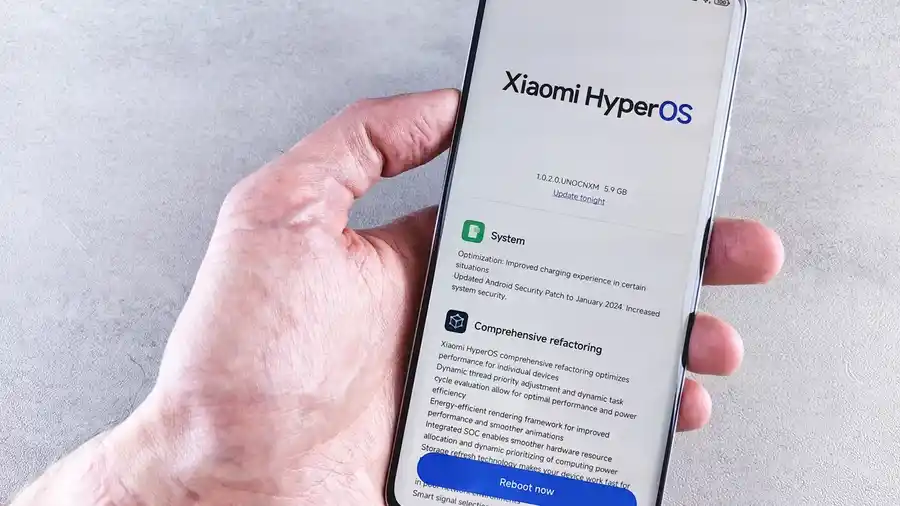
Next, start with your own upgrade cycle. If you usually keep a phone for 2 years, a support policy far beyond that may not matter much. If you keep phones for 4 or 5 years, the support window becomes a bigger part of the price decision.
Then, check the support promise in two parts. Look for the length of security updates and the length of OS upgrades. A 4-year security patch lifespan and a 3-year OS upgrade commitment are not the same value as a 7-year promise for both.
After that, compare similar phones, not all phones. A premium phone with long support may cost more than a midrange phone with shorter support. The price difference can be sensible when the hardware is also stronger, but support alone should not be the only reason to spend more.
Then, estimate the cost of earlier replacement. If shorter support means you will replace the phone sooner, the lower purchase price may stop being a bargain. A cheaper phone that needs replacement after a shorter period can cost more across the years you own it.
Finally, think about resale at the end. A phone with more support left usually has a better chance of selling well used. That does not make it a profit machine, but it can soften the total cost of ownership.
So, the exact next step is to place the support window beside the price tag. If two phones are close in price, the longer support policy often makes the better value. If one phone is much more expensive, the extra support has to matter for your actual use, not just in theory. For more pricing context, see how mobile phone prices are set.
Which buyers should pay extra for longer support?
Buyers who keep a phone for 3 years or more are the ones most likely to benefit from paying extra for longer support. They get more of the security updates and more of the OS upgrades they paid for, so the price premium has time to pay back.
This is especially true for people who use a phone for banking, work, school, or travel. Security updates matter more when the phone holds accounts, payment apps, or work data. A shorter support window can become a real inconvenience if you want to avoid replacing the device early.
On the other hand, the group that should think twice is the short-cycle upgrader. If you trade phones every 12 to 24 months, the value of a long support policy is limited. In that case, paying more for years of future updates you will never use is a poor deal.
Budget buyers should also be careful. A phone with long support may still be the smarter buy if it avoids replacement after 2 years, but only if the price gap is not too wide. The best value is often the phone whose support window matches the time you plan to own it.
When is longer support worth the higher price?
Longer support is worth the higher price when the support window covers your real ownership period and the phone still fits your budget. If the policy gives you several more years than you need, you are paying for unused time.
The upside is strongest when the rest of the phone is also strong enough to last. A durable battery, enough storage, and a solid camera matter because software support cannot fix a weak base device. A long update policy on a phone that feels slow after 18 months is still a weak value.
Even so, support length can tempt buyers into paying too much for a phone that is otherwise ordinary. That is the main trap. A long policy is valuable, but it is not a substitute for hardware quality or a fair price.
Ultimately, pay extra for longer support when you will use that extra time. Skip the premium when your normal upgrade habit ends before the support does. For a broader look at what shapes phone prices, see the hub on what affects mobile phone prices.
Drafted with AI; not yet reviewed by a person.