
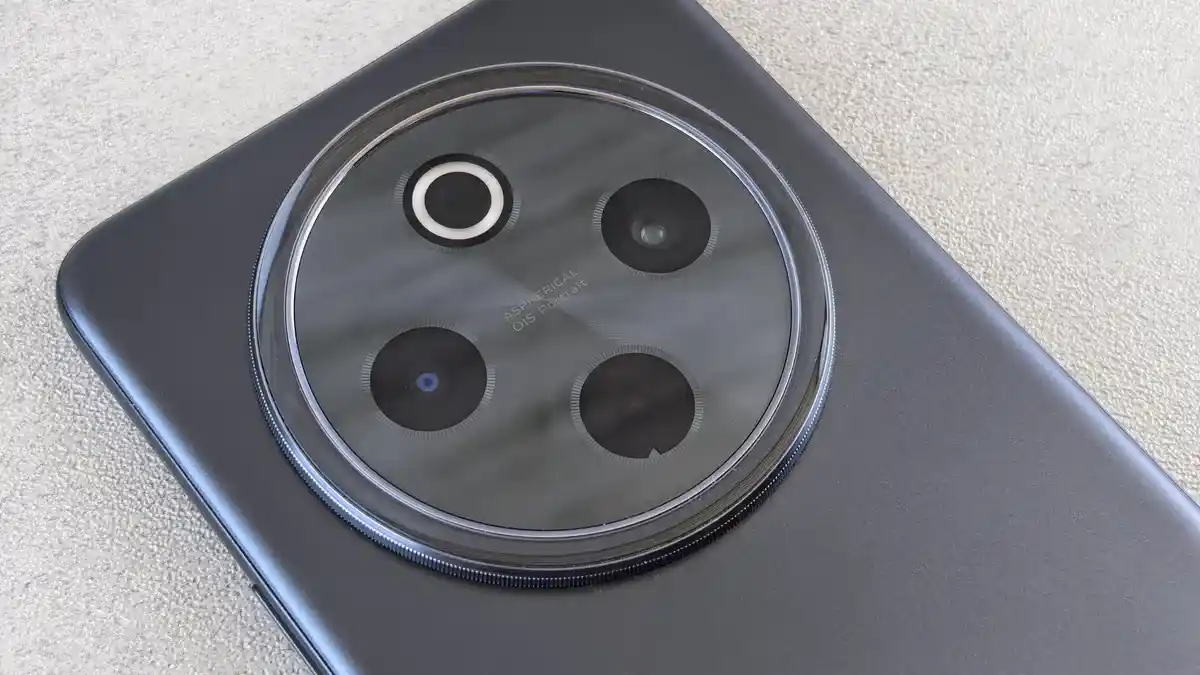
How Camera System Complexity Affects Smartphone Pricing
Last updated: November 27, 2026
Quick answer: a 1-camera phone is usually the cheapest camera setup, while 2- and 3-camera phones tend to cost more because they add parts, tuning, and assembly time. A simple 1-camera phone is cheaper to build than a phone with 2 or 3 rear cameras, optical stabilization, and a telephoto lens, because each extra piece adds hardware, software work, and factory steps. If you are trying to judge why one phone costs more than another, look at the camera stack first. For a broader pricing view, see what affects mobile phone prices.
Key takeaways
- More camera parts usually mean a higher price, but the biggest jump often comes from the sensor, lens, and stabilization, not from the count alone.
- A 2-camera phone can be cheaper than a 3-camera phone, yet a single camera with a large sensor can still cost more than a basic multi-camera setup.
- Telephoto lenses tend to add more cost than ultrawide lenses because they need tighter optics and more space inside the phone.
- Optical stabilization raises cost because it adds moving parts or extra control hardware.
- The right question is not “How many cameras are there?” but “What does each camera do, and how much hardware is behind it?”
What makes a camera system cost more?
A smartphone camera system costs more when it uses more expensive parts and more of them. The bill rises with the camera sensor, the lens count, optical stabilization, and the amount of software tuning needed to make the whole stack work as one system.
However, the plain version is still this: one rear camera is often the lowest-cost route, 2 cameras usually cost more, and 3 cameras or more usually raise the price again. But the count alone does not explain everything. A phone with 3 basic cameras can cost less to build than a phone with 1 large sensor, a stabilized lens, and a high-end telephoto module.
That is why the camera section of a spec sheet matters so much in pricing. A buyer is not just paying for photos. A buyer is paying for glass, silicon, assembly, calibration, and the extra work needed to make the images look consistent across all 3 lenses.
Meanwhile, this is the part of the pricing story that the hub on what affects mobile phone prices should sit above. On this page, the focus is narrower: the camera system itself, not storage, color, or a general spec-by-spec buying guide. See also phone specs explained.
Why do camera phones cost more?
Camera phones cost more because the camera block is one of the most expensive hardware clusters inside the phone. The camera system often includes a large sensor, a wide main lens, an ultrawide lens, a telephoto lens, optical stabilization, and the software that blends all of them together.
Each piece adds cost in a different way. A larger sensor costs more to source and fit into the phone. A telephoto lens needs more optical depth, which is hard to squeeze into a thin body. Optical stabilization adds moving elements or extra control hardware. Then the maker has to tune color, focus, low-light behavior, and switching between lenses so the phone does not feel stitched together.
Therefore, that extra work matters because camera systems are not bought as one flat part. A phone maker can choose a basic 1-camera setup and keep costs down, or add a 2-camera or 3-camera setup and spend more on parts and integration. The more the system tries to cover every photo situation, the more it tends to cost.
This is also why two phones with similar-looking rear camera bumps can land at very different prices. One may have a simple ultrawide add-on. The other may hide a much pricier sensor, a telephoto lens, and stabilization under the same glass panel. For a broader comparison of hardware trade-offs, see smartphone specs and price.
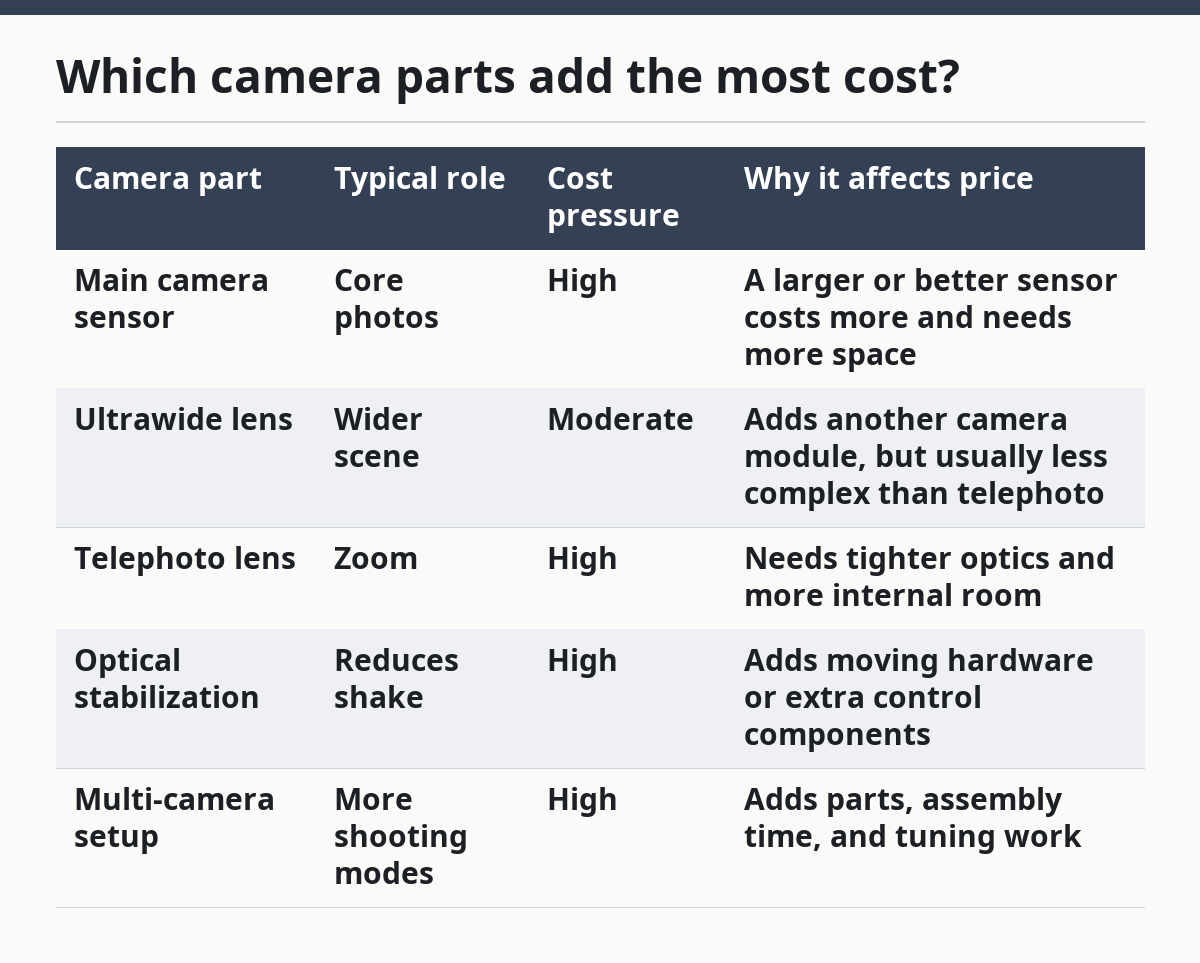
Which camera parts add the most cost?
The sensor, telephoto lens, and optical stabilization usually add the most cost, especially when they are combined in one phone. An ultrawide lens helps too, but it often costs less than a true telephoto module.
Here is the practical comparison:
| Camera part | Typical role | Cost pressure | Why it affects price |
|---|---|---|---|
| Main camera sensor | Core photos | High | A larger or better sensor costs more and needs more space |
| Ultrawide lens | Wider scene | Moderate | Adds another camera module, but usually less complex than telephoto |
| Telephoto lens | Zoom | High | Needs tighter optics and more internal room |
| Optical stabilization | Reduces shake | High | Adds moving hardware or extra control components |
| Multi-camera setup | More shooting modes | High | Adds parts, assembly time, and tuning work |
Specifically, the main sensor is often the anchor of the whole system. If a phone maker spends more here, the rest of the camera stack usually has to keep up. A cheap secondary camera on top of an expensive main sensor still raises price, but not as much as a full premium stack with telephoto and stabilization.
Telephoto is the part that often forces the biggest design trade-off. A phone has to fit zoom optics into a thin body, and that is harder than fitting an ultrawide module. That is one reason telephoto phones often sit higher in the price range than phones with only a wide and ultrawide pair.
According to the Apple iPhone 16 Pro technical specifications, the Pro model includes a 48MP main camera and a 5x telephoto option. That kind of zoom hardware is one reason higher-end camera systems can cost more than simpler two-lens setups. For another manufacturer view, see Samsung Galaxy S24 Ultra specs.
How does sensor size change the price?
A larger sensor usually pushes the price up because it captures more light and needs more room, better optics, and more careful assembly. Sensor size is one of the clearest camera-related drivers of phone cost.
The price jump is not only about the chip itself. A bigger sensor can force a thicker camera bump, a larger lens, and tighter manufacturing tolerances. The phone maker may also need stronger image processing to handle the extra data the sensor captures.
A small sensor can keep a phone thin and cheap. A large sensor often sits in a more expensive model because the camera stack around it must be built to a higher standard. That does not automatically mean every large-sensor phone takes better photos in every case, but it does mean the parts are usually costlier to fit into the phone.
For a buyer, the main point is this: sensor size is not a cosmetic spec. It changes the camera system’s physical shape and cost structure. If a phone advertises a larger main sensor, expect the price to reflect that somewhere, even if the rest of the phone looks ordinary.
How do telephoto and ultrawide lenses affect the bill?
A telephoto lens usually raises the bill more than an ultrawide lens because zoom optics are harder to package and calibrate. An ultrawide lens is useful, but it is usually the easier add-on in a 2-camera or 3-camera setup.
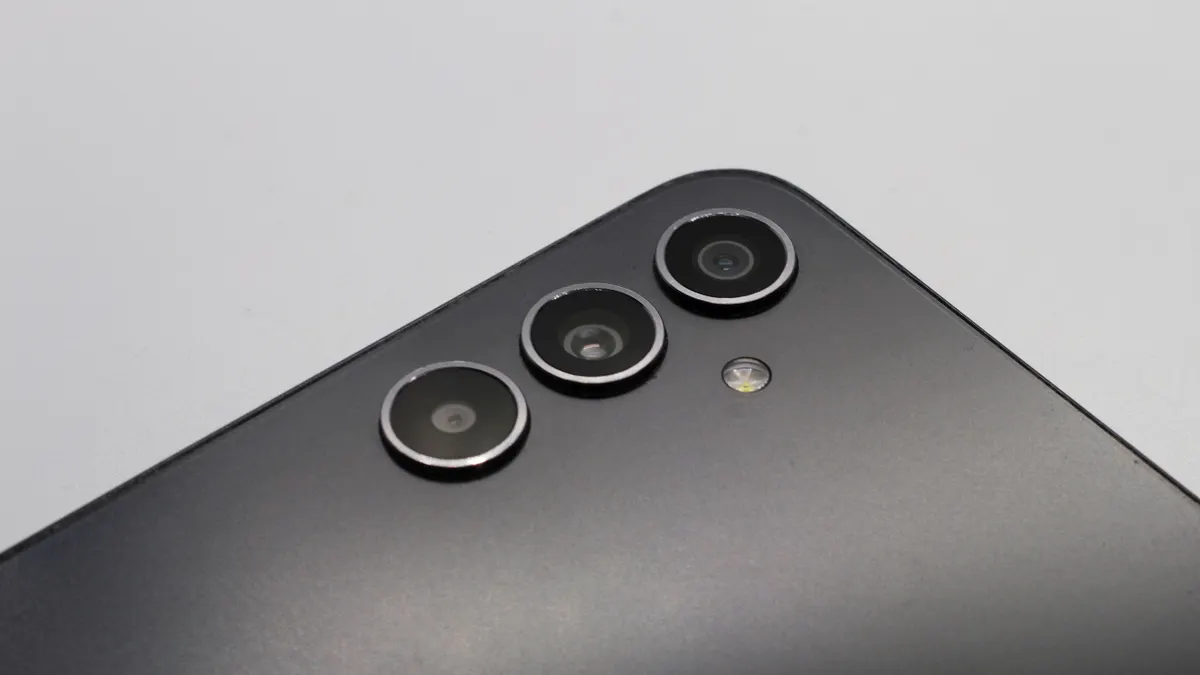
The difference shows up in three ways. First, telephoto modules need more internal depth, which is a challenge in a thin phone body. Second, they often demand more precise alignment so zoom shots stay sharp. Third, telephoto systems are more likely to be paired with stabilization or more advanced processing, which pushes cost up again.
An ultrawide lens is still a real extra part. It adds a sensor path, a lens stack, and extra tuning. But it often serves as the lower-cost second camera in a 2-camera phone because it is simpler than a zoom module. That is why many midrange phones use a wide plus ultrawide pair before they add telephoto.
If a phone includes both ultrawide and telephoto, the price usually climbs faster than a basic 2-camera setup. The maker is no longer covering only one extra photo angle. It is covering both wide scenes and zoom, which means more hardware and more tuning.
What does optical stabilization add?
Optical stabilization adds cost because it improves sharpness through moving hardware, not just software. In simple terms, the camera module has to compensate for hand shake, and that takes extra parts and control.
This matters most in low light and at longer focal lengths. A stabilized main camera can help with night shots. A stabilized telephoto lens can make zoom photos less blurry.
Those gains are useful, but they are not free. The phone maker pays for the mechanism, the space it takes, and the calibration needed to keep it working well.
Stabilization also changes the shape of the cost curve. A phone with 1 basic camera can stay relatively simple. A phone with 3 cameras and optical stabilization in one or more of them becomes harder to build and tune. That extra complexity is one reason premium camera phones do not price like basic phones, even when their screen and battery look similar on paper. For another example of camera hardware trade-offs, see best phone cameras by spec.
A common mistake is to think stabilization is only a photo quality feature. It is also a hardware cost feature. When a phone has it, the camera bump is often hiding more than the spec sheet shows.
What should you check before paying more for the camera?
Check the camera stack in 4 steps before you pay for it, because a 3-camera label alone does not tell you whether the phone is worth the jump.
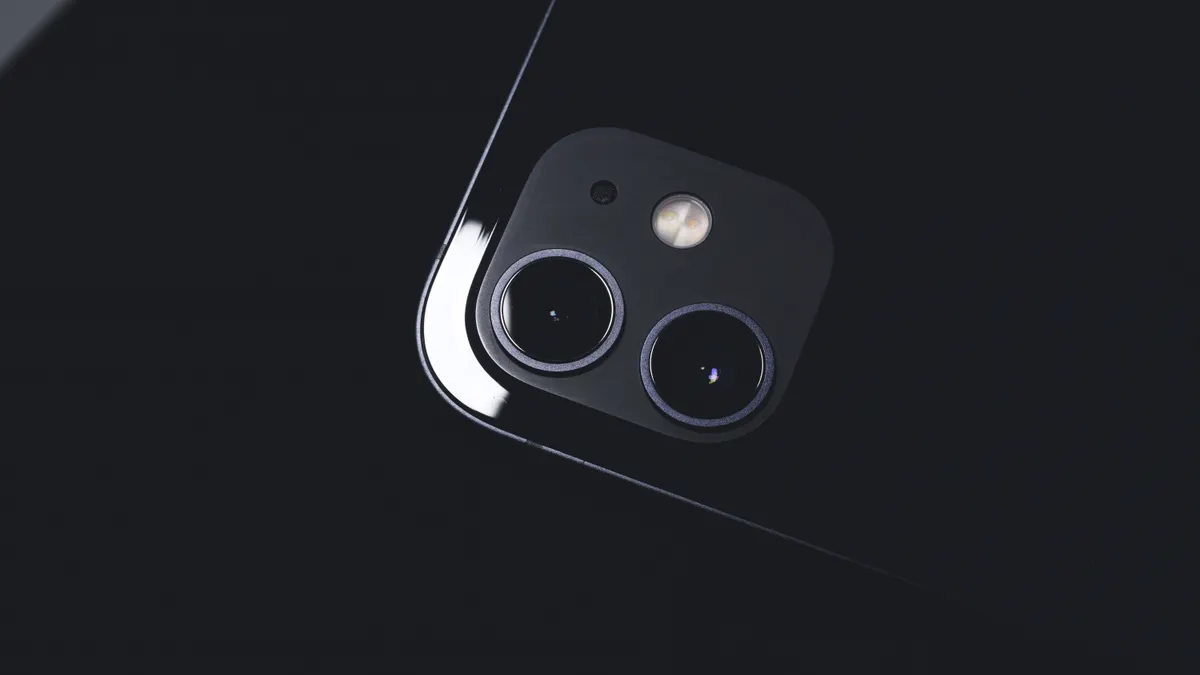
- Count the usable cameras, not the bump. A phone may show 3 circles, but one may be a basic depth or macro unit with limited value. A true main + ultrawide + telephoto stack usually costs more than a main camera plus two minor add-ons.
- Look for a telephoto lens first. If the phone has one, expect a higher price than a similar phone with only wide and ultrawide cameras. Telephoto is one of the costliest upgrades in the rear camera system.
- Check for optical stabilization on the main camera and telephoto. If the camera system includes stabilization, the maker is paying for more than a lens. That usually shows up in the price.
- Compare the camera system against the rest of the phone. If the screen, battery, and chipset are midrange but the camera system is unusually complex, a good part of the price is going into photography hardware rather than into the rest of the phone.
Overall, this is the best way to read a phone listing because it can help you avoid paying for camera complexity you may not need. A buyer who wants basic social media shots does not need to pay for a full telephoto stack. A buyer who wants more flexible photos in different lighting may find the extra cost easier to justify.
Who is this price premium not for?
This price premium is not for buyers who mainly want the cheapest phone that still takes decent daylight photos. If you do not care about zoom, low-light shots, or smoother handheld video, a simpler 1-camera or 2-camera phone often makes more sense.
It is also not for buyers who assume more cameras always mean better value. That is a bad shortcut. A 3-camera phone can still use weak secondary lenses, while a 2-camera phone with a stronger main sensor may be the smarter buy. The cost is in the parts and the tuning, not in the camera count printed on the box.
The better rule is to pay for camera complexity only when you will use it. If you zoom often, shoot at night, or want more shooting modes, the extra cost can be justified. If you only take quick photos for messages and social posts, the premium may buy hardware you never notice.
A camera system with a larger sensor, a telephoto lens, and optical stabilization is not a small upgrade. It is a different cost class. That is the real reason smartphone prices rise when the camera system gets more complex.
Drafted with AI; not yet reviewed by a person.