
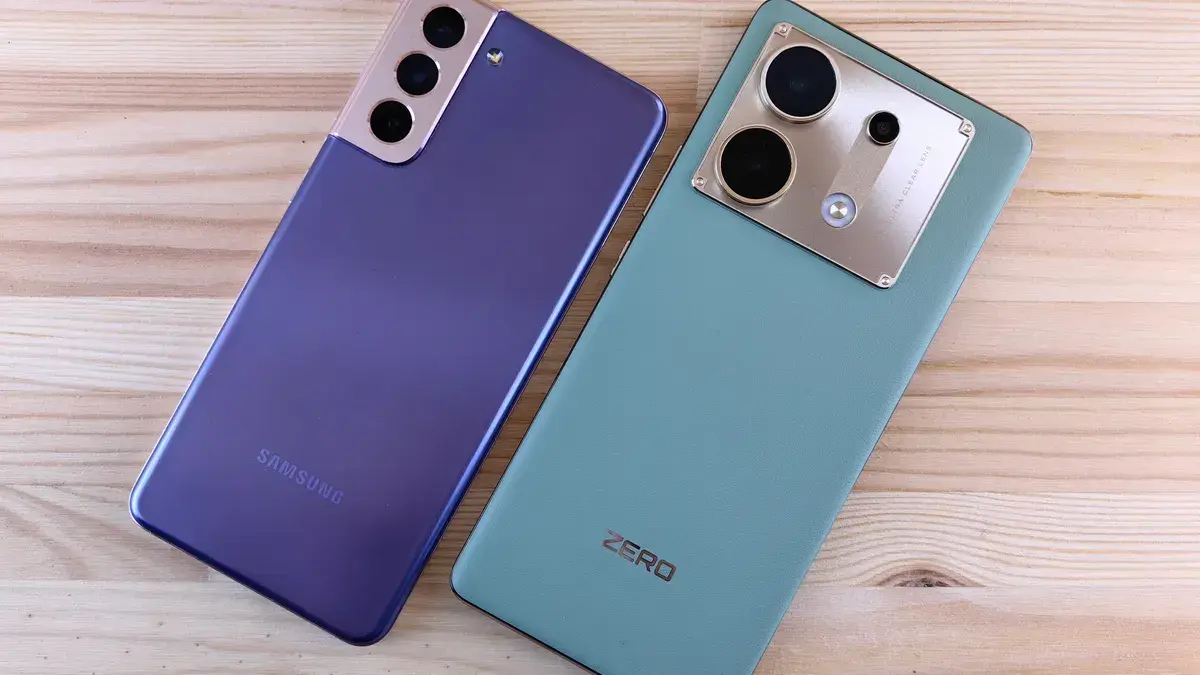
Pricing Factors by Phone Type — The Complete Guide
Last updated: November 27, 2026
Quick answer: For most buyers, Pricing Factors by Phone Type — The Complete Guide points to a midrange phone as the best value when the goal is solid everyday use without paying for premium extras.
Phone prices are shaped less by the brand name than by the type of phone, because each type bundles different hardware, software support, and resale value. In Pricing Factors by Phone Type — The Complete Guide, a flagship, a foldable, a budget phone, and a refurbished phone can look similar in a store photo and still land in very different price bands for reasons that are easy to miss at checkout.
If the goal is to understand why one phone costs more than another, the short answer is this: the display, chip, camera system, storage, repair risk, carrier tie-in, and update promise matter more than the label on the box. The Federal Trade Commission’s buying advice for mobile phones and the FCC’s guidance on opening phones both point to the same basic truth: the phone price is only part of the total cost.
Key takeaways
-
Phone type changes price because it changes what is built into the device: a folding hinge, a faster chip, a second screen, or a longer software support window.
-
The most expensive phone is not always the best deal. A lower-spec phone can cost less up front and still be the smarter buy if the owner only needs calls, messaging, maps, and a good battery.
-
Foldables tend to cost more because they use more complex parts and carry more repair risk, while refurbished phones often cost less because they reuse hardware that has already lost some of its original value.
-
Storage, carrier lock status, and repairability can move the price just as much as the model name on the front.
-
The right choice depends on what problem the buyer is trying to solve: premium camera, long update life, lower monthly bill, or simple basic use.
What actually changes the price?
Phone prices change because the phone type determines the parts, risk, and support that are built into the device. A 128 GB flagship, a 128 GB midrange phone, and a 128 GB refurbished phone can all share the same storage figure, yet still price very differently because one may have a premium OLED panel, another may use a more ordinary screen, and the third has already gone through an ownership cycle.
In Pricing Factors by Phone Type — The Complete Guide, the biggest price drivers are easy to group. Display size and display tech matter because a larger 6.7-inch OLED panel costs more than a smaller, plain LCD panel. Chip tier matters because a top-end processor is usually paired with faster memory, better camera processing, and stronger gaming performance. Camera hardware matters because extra lenses, larger sensors, and optical stabilization all add cost. Battery size matters too, but so does the charging system and heat management around it.
Support also changes price. A phone that is expected to get several years of software updates can hold its value better than a phone that will be dropped from support sooner. That is one reason some buyers pay more for a newer model rather than saving money on an older one. The FTC’s mobile-phone guidance is useful here because it reminds buyers to think about service terms, locking, and compatibility, not just the upfront number on the shelf.
As a result, carrier deals can blur the real price. A phone tied to a monthly plan can look cheaper on day one than an opened model, but the trade can include fewer carrier options, lock-in periods, or stricter upgrade rules. The FCC’s opening guidance is worth reading before accepting a “free” or discounted phone, because the device may be cheaper only if the buyer stays inside that carrier’s system.
How does phone type change the bill?
Phone type changes the bill because each category is priced around a different set of trade-offs. A flagship is priced for top hardware and long support. A midrange phone is priced to balance good performance with fewer premium extras. A budget phone is priced to keep the entry cost down by trimming materials, cameras, and chip speed. A foldable is priced around engineering complexity. A refurbished phone is priced around prior use, condition, and remaining warranty.
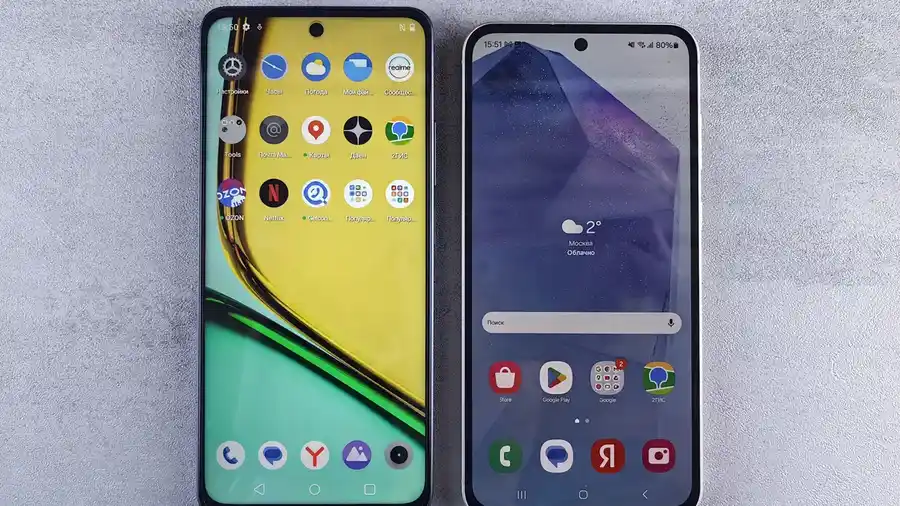
Therefore, here is the clearest side-by-side view.
Criteria
Flagship phone
Midrange phone
Winner for this condition
Upfront cost pressure
Usually the highest because it includes premium parts and top-tier software support
Usually lower because it trims some premium parts while keeping core features
Midrange, if the buyer only needs the basics
Display and build
Often uses higher-end glass, brighter panels, and premium materials
Often uses good but less expensive materials and screens
Flagship, if display quality matters most
Repair risk
Repairs can be costly because parts are premium and assemblies are tight
Repairs are often less expensive in relative terms
Midrange, for lower ownership risk
Camera priority
Usually strongest for zoom, low light, video, and image processing
Good for everyday photos but less advanced
Flagship, if camera quality is the main reason to upgrade
Battery and efficiency
Strong, but not always the largest battery
Often tuned for practical all-day use
Midrange, if the goal is steady daily use
Storage tiers
Often sold at 128 GB, 256 GB, or higher
Often sold at lower baseline storage
Midrange, if storage needs are modest
Software support
Often gets a longer or more dependable support promise
Support can be shorter or less generous
Flagship, if the buyer keeps phones for years
Value after 12 months
Often holds value better
Often drops faster
Flagship, if resale matters
Carrier discount potential
Big discounts may exist, but they often come with lock-in
Discounts can be simpler and easier to understand
Midrange, if avoiding carrier terms is the goal
The table hides one more truth: “cheaper” is not the same as “less expensive over time.” A phone that costs less today can become a poor value if it breaks easily, loses support quickly, or needs a storage upgrade from 128 GB to 256 GB right away. That is why the right comparison is not just price tag versus price tag. It is upfront cost, expected use life, repair exposure, and whether the phone still fits the buyer after 18 to 24 months.
Why do flagship phones cost more?
Flagship phones cost more because they bundle premium hardware, better cameras, and longer support into one device. That extra cost is not just branding. It usually comes from parts that are harder to make and more expensive to assemble, such as a brighter display, a high-end chip, better glass, and camera hardware with stronger stabilization.
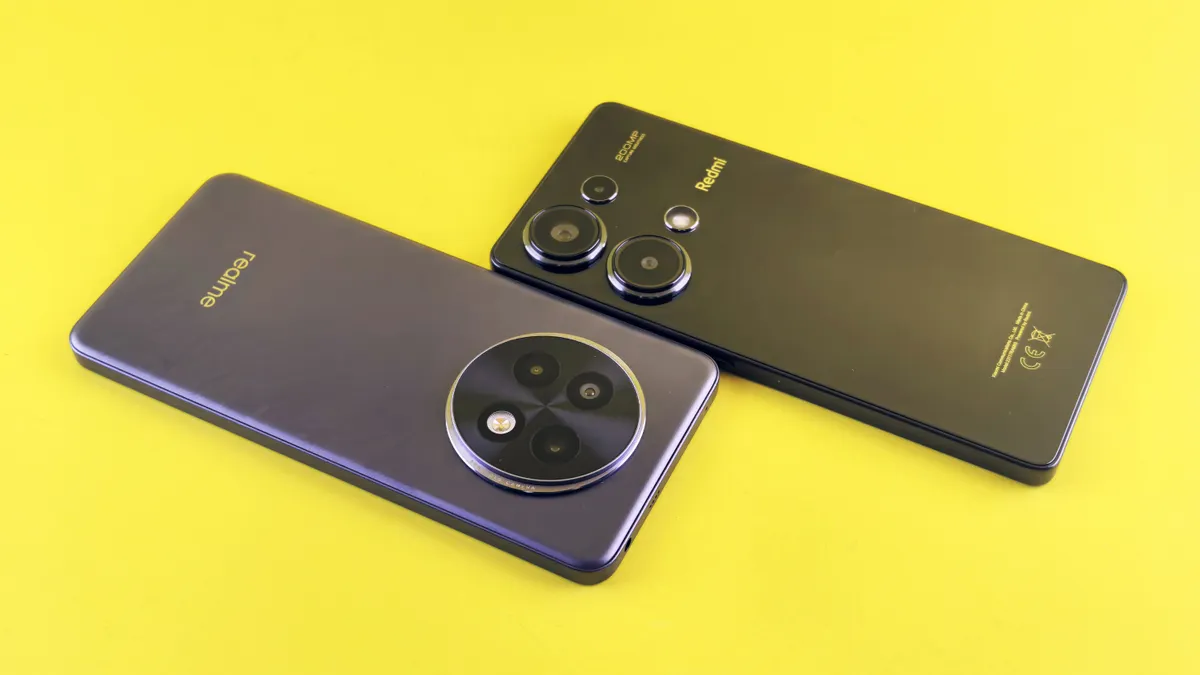
This type wins for heavy users. People who shoot a lot of photos and video, play demanding games, keep a phone for several years, or care about screen quality often get the most from a flagship. The stronger resale value also helps soften the blow, especially if the buyer tends to upgrade every 2 or 3 years.
However, the downside is simple: a flagship can be overkill for basic use. If the phone’s main jobs are messaging, calls, banking apps, maps, and the occasional photo, the extra cost often buys features that go unused. A 256 GB flagship can also tempt buyers into paying for storage they never fill, which makes the whole purchase harder to justify.
There is another cost that gets missed. Premium phones are often more expensive to repair, and premium finishes can make owners more cautious about scratches, cracks, and water exposure. A buyer who wants the best camera and screen but also wants a low-stress phone may be better served by a strong midrange model plus a case and screen protector. The flagship is for the person who will actually use the extras, not the person who only wants the box to say “top model.”
When is a midrange phone the better buy?
A midrange phone is often the better buy when the buyer wants strong everyday performance without paying for the last stretch of premium extras. That is the sweet spot for many people because a midrange device usually covers the daily basics well: messaging, social apps, maps, streaming, email, and casual photos.
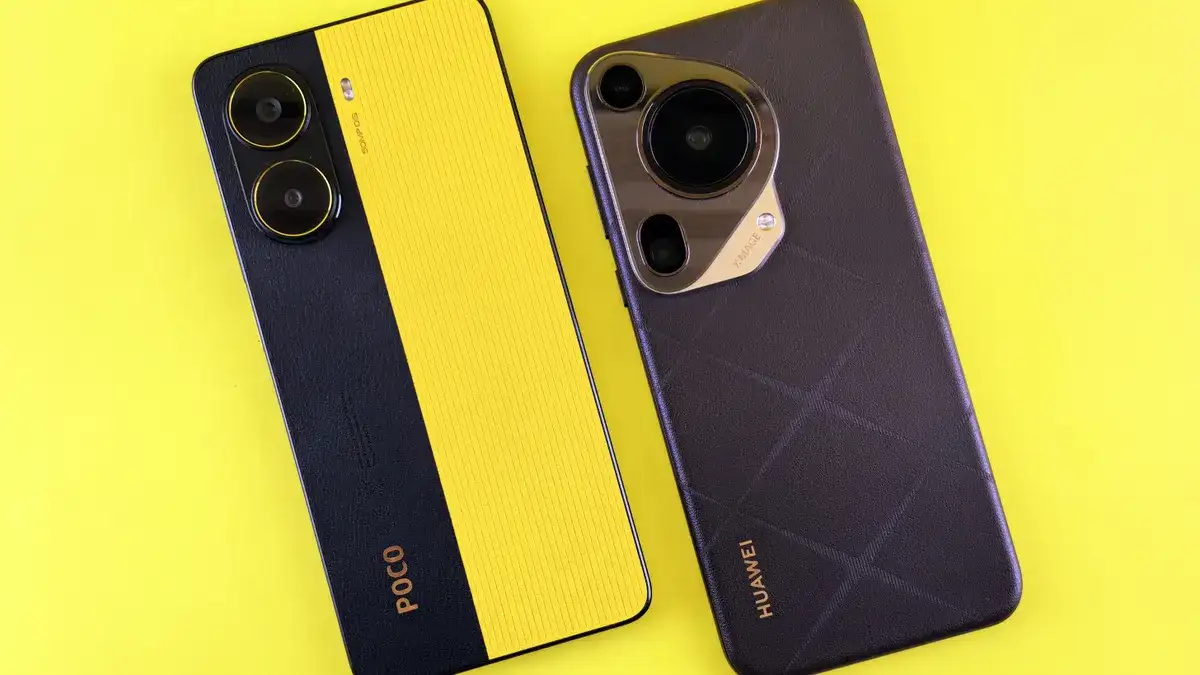
The strongest case for midrange pricing is balance. The phone often keeps enough battery life, screen quality, and speed to feel modern, while dropping some of the costly features that push a flagship into a higher bracket. That means the buyer may still get a solid display and a competent camera without paying for telephoto zoom, premium metal finishes, or the fastest chip in the line.
Because of that, the weakness is that midrange phones can age unevenly. A model that feels fast on day one may not age as gracefully if its chip is weaker, its camera processing is limited, or its support window is shorter than a premium phone’s. If the buyer keeps phones for a long time, the midrange category needs a careful look at software support, not just the launch spec sheet.
Midrange also wins when the buyer dislikes fragile premium devices. A phone that costs less and is easier to replace can be a saner choice for students, commuters, or anyone who treats the phone as a tool rather than a status object. For buyers with specific health or accessibility needs, it can also be wise to consult a professional or a trusted support specialist before choosing the device type. The midrange phone is not the best pick for a camera-first buyer or a heavy gamer, but it is often the most rational pick for everyone else.
What makes foldables expensive?
Foldables are expensive because they are built around a hinge, a flexible display, and a harder repair path. That single mechanical change does more to the price than many buyers expect. A standard slab phone has one screen and a simpler body. A foldable has two states, more moving parts, and more engineering work to keep the device thin enough to use in a pocket.
In particular, the pricing gap is not just about novelty. Foldables need careful assembly, and the display stack itself is more complex than the glass on a normal phone. That complexity usually shows up in the final price and in the repair bill. A cracked outer screen or a hinge issue can cost more to fix than a simple slab phone problem because the device is less modular and more specialized.
Foldables make sense for buyers who want a larger screen in a smaller shape. They are useful for split-screen work, reading, note taking, and some media use. The appeal is real. So is the downside. A foldable is usually the least forgiving choice if the buyer wants low maintenance, low repair risk, or the most stable long-term value.
Finally, the buyer who should skip a foldable is the one who wants the lowest total cost of ownership. A foldable can be a poor fit if the phone lives in a bag with keys, gets opened and closed many times a day, or needs to survive rough handling. The device type is exciting, but the cost structure is still shaped by a hinge that a normal phone simply does not have.
Are budget phones really cheap?
Budget phones are cheaper up front, but they are not always cheap in the ways that matter most. The entry price is lower because the maker usually cuts back on the display, processor, camera stack, and build materials. That does not make the phone bad. It just means the buyer should know what was trimmed.
The main strength of a budget phone is obvious: it reduces the amount of money needed to get a working smartphone. For a first phone, a backup phone, or a user who mainly makes calls and sends messages, that can be enough. Budget phones often do the basics well enough at 128 GB storage or less, especially if the buyer does not store lots of video or heavy games.
Next, the trade-off is performance headroom. Budget phones can slow down sooner, take worse low-light photos, and feel less smooth when apps grow heavier over time. That matters if the buyer keeps the phone for 3 or more years. A slower chip and a cheaper display may be tolerable on day one, then annoying later.
Budget phones also tend to be the wrong choice for buyers who care about resale. They usually lose value faster than a flagship, and they can be harder to resell cleanly because the market already expects a lower baseline. The budget phone is honest hardware for a narrow need. It is not a hidden premium experience at a lower price.
Should you buy refurbished or last year’s model?
Refurbished phones and last year’s models are often the smartest value picks because they avoid paying full launch pricing for a phone that is still current enough to do the job. That choice works best when the buyer wants a known model, a lower entry price, and fewer surprises about how the phone feels in hand.
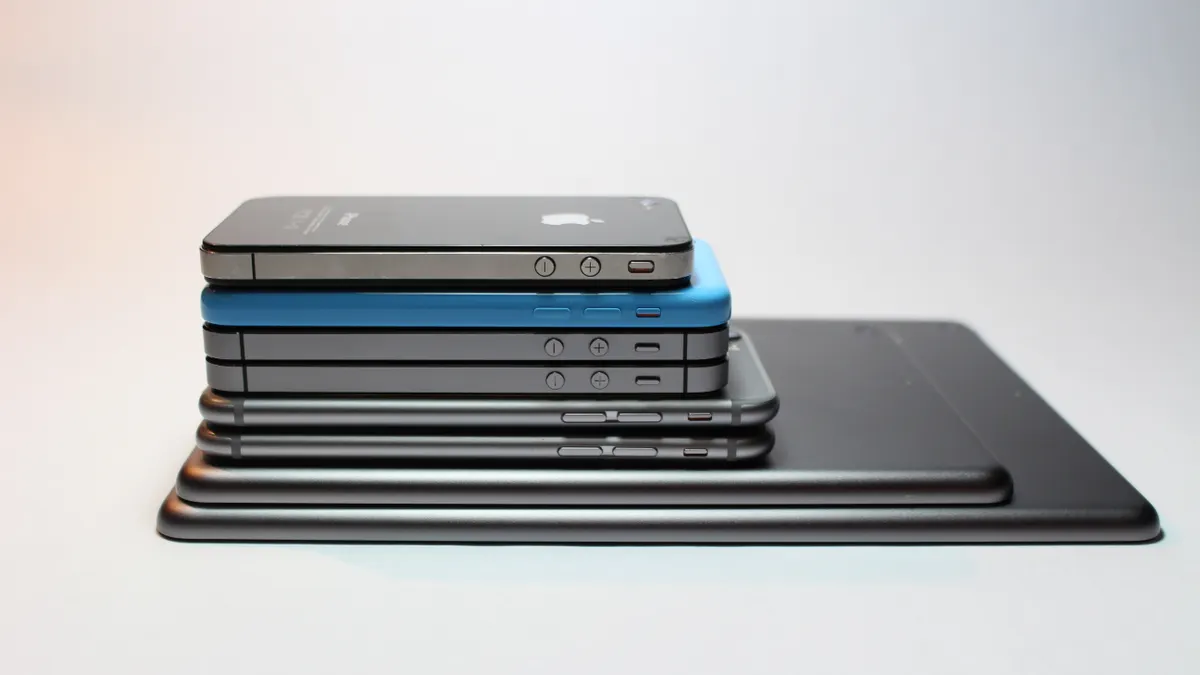
A refurbished phone is usually priced lower because it has already been used, returned, or renewed. The exact condition matters a lot. A well-graded refurbished phone can be a practical buy if the seller gives a clear condition description and a real warranty or return window. The buyer gets a phone that is already proven in the market, not a first-run experiment.
Meanwhile, last year’s model is different. It is new hardware, but it is no longer the newest. That often means the buyer can get a strong phone with 128 GB or 256 GB storage for less than the current model, while still keeping much of the same performance and software support. This route is especially attractive when the latest model changed little from the previous year.
The drawback is that both options require more attention than a brand-new current model. A refurbished phone may have battery wear, cosmetic marks, or shorter remaining support. A last year’s model may lack the very latest chip, camera tweak, or update promise. The smart buyer checks condition, support policy, and return terms instead of chasing the newest name on the box.
Because these options can be confusing, the FTC’s mobile phone buying advice is useful here because it pushes buyers to check compatibility, service terms, and carrier rules before paying. The FCC’s opening guidance matters too, because a refurbished or discounted phone may still be tied to a carrier relationship that limits freedom later.
What price factor gets ignored most often?
Carrier lock status gets ignored most often, and it can change the real price more than many buyers expect. A discounted phone may look like a win until the buyer sees the service terms, the installment plan, or the rule that keeps the phone tied to one network for a stretch of time. That is not just a billing detail. It is part of the device’s cost.
Storage is another hidden trap. A 128 GB model may look fine on paper, but storage pressure shows up fast if the buyer keeps lots of video, offline playlists, photos, or work files. Paying for 256 GB at the start can be cheaper than outgrowing a smaller model and regretting the limit later. That is a price factor because it changes which version the buyer should choose, not because it adds a flashy feature.
Repairability matters too. A phone with harder-to-replace parts can cost more after a drop, a battery problem, or a screen crack. That cost does not show up in the sticker price, which is why it gets missed. The buyer who chooses a more fragile type may pay less today and more later.
The most overlooked factor of all is fit. A phone that is too advanced, too small on storage, too locked down, or too expensive to fix is not “better” just because it has a higher spec sheet. The right phone type is the one that matches the buyer’s real use, not the one that looks best in a product grid.
The Honest Side-by-Side
Ultimately, the clearest rule is this: flagship wins for premium features, midrange wins for value, foldable wins for a special form factor, budget wins for low entry cost, and refurbished or last year’s models win for savings with caveats. That is the cleanest way to think about pricing by phone type because each category is built around a different cost structure.
Phone type
Best price logic
Main weakness
Who should skip it
Flagship
Pays for top camera, display, and support
Highest upfront cost and often pricier repairs
Basic users who only need calls and apps
Midrange
Best blend of cost and usefulness
Less headroom for heavy use or long aging
Camera-first users and power gamers
Budget
Lowest barrier to entry
Slower aging and fewer premium extras
Anyone who wants a phone for several years with strong performance
Foldable
Pays for a unique large-screen shape
Hinge complexity and repair risk
Buyers who want low stress and low maintenance
Refurbished
Lower entry cost for known hardware
Condition varies, and support may be shorter
Buyers who want a spotless, full-new-device experience
Last year’s model
Strong value if little changed from the newest model
Not the very latest chip or feature set
Shoppers who must have the current generation
In short, the pattern is stable across the market: the more a phone type changes the shape, the camera system, or the support promise, the more likely it is to cost more. That does not mean higher is better. It means the buyer is paying for a specific kind of experience.
What should you choose?
Choose a flagship if the camera, display, and long support window are worth paying for, especially if the phone will be kept for several years. Choose a midrange phone if daily use matters more than premium extras and the buyer wants the strongest balance of price and performance. Neither if the plan is to buy the newest model just because it is new, or if the phone will mostly sit idle and a cheaper category would do the same job.
Therefore, the strongest recommendation is simple: most buyers should start with midrange or a prior-generation model, then move up only when there is a clear reason. The clear reasons are usually camera quality, top-end gaming, premium screen quality, or a longer ownership cycle. If none of those matter, the extra money rarely buys enough real-life benefit.
Foldables only make sense when the larger-screen format is the reason to buy. Budget phones only make sense when the buyer accepts slower performance and fewer extras in exchange for a lower entry cost. Refurbished phones only make sense when the buyer is comfortable checking condition, battery wear, and seller terms carefully. That is not indecision. It is a filter.
When should you stop comparing phone types?
Stop comparing phone types when the buyer already knows the must-haves and any extra money would only buy unused features. If the phone needs 128 GB storage, a reliable battery, and normal app performance, the jump to a flagship or foldable may not improve daily life enough to justify the gap.
Stop comparing also when the real issue is carrier terms, not hardware. A “cheap” phone can become expensive if the service plan, locking rule, or upgrade condition makes it hard to switch later. The FCC’s opening guidance exists for a reason: ownership should include control of the device, not just the box.
Finally, the last stop point is repair risk. If the buyer is rough on phones, a simpler and less fragile type often wins. Spending more for a delicate design can be the wrong move if the phone is likely to take drops, bag pressure, or pocket wear. The best-priced phone is the one that survives the buyer’s actual life, not the one that looks smartest on release day.
FAQ
Why do two phones with the same storage cost different amounts?
Two 128 GB phones can cost different amounts because storage is only one piece of the price. Chip quality, screen type, camera hardware, software support, and build materials can all change the bill. A 128 GB flagship can cost much more than a 128 GB budget phone because the rest of the device is more expensive.
Is a foldable ever worth the extra money?
A foldable is worth the extra money only when the larger-screen shape is the main reason to buy. If the buyer wants a pocketable device that opens into a tablet-like screen for reading, split-screen work, or media, the premium may make sense. If that feature will be used only occasionally, the cost is hard to defend.
Is refurbished safer than buying a cheap new phone?
Refurbished can be safer than a very cheap new phone if the seller is clear about condition, battery state, and return terms. A refurbished phone may be a better-known model with a stronger build than the lowest-cost new option. The risk is that condition varies, so the buyer has to check the details carefully.
Should I pay more for 256 GB instead of 128 GB?
Pay more for 256 GB if photos, video, games, or work files are likely to fill 128 GB quickly. If the phone will mostly hold a few apps, messages, and light media, 128 GB may be enough. The right choice depends on how much local storage the buyer actually uses, not on the larger number alone.
Do carrier discounts always save money?
Carrier discounts do not always save money because the savings can come with lock-in, service rules, or a long payment plan. The phone may look cheaper on day one and still cost more in the long run if the buyer wants to switch carriers early. Reading the service terms matters as much as reading the sticker price.
Drafted with AI; not yet reviewed by a person.