
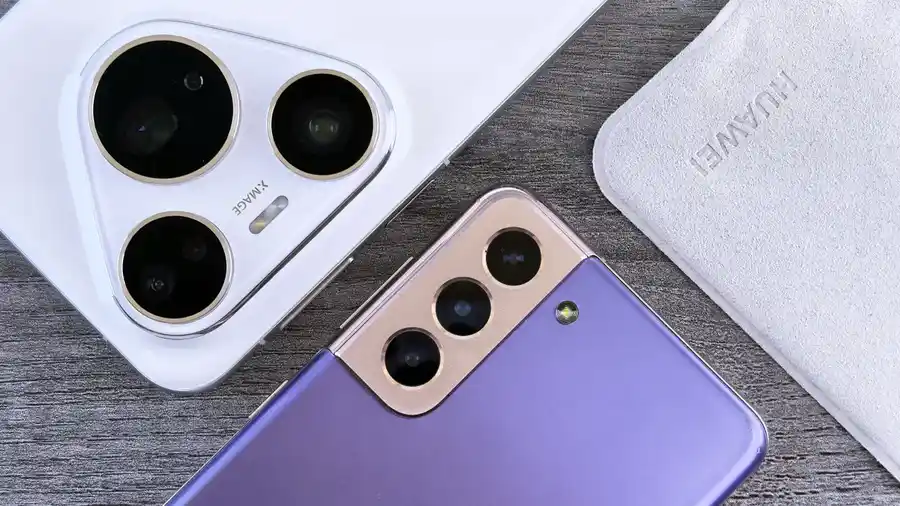
How to Compare Mobile Phone Camera Specs for Everyday Use
Last updated: November 18, 2026
Key Takeaways
- The main camera handles most everyday shots, from meals to low-light sidewalks.
- Compare the main camera by looking beyond megapixels to low light, motion, and HDR performance.
- The ultrawide lens matters most for rooms, group photos, buildings, and landscapes.
- A telephoto lens helps when you want closer framing without obvious digital zoom.
Mobile phone camera specs can look impressive and still take dull everyday photos. How to Compare Mobile Phone Camera Specs for Everyday Use starts with the main camera, then checks the ultrawide, telephoto, image stabilization, and video stabilization that match how you actually shoot. The sections below settle which specs matter, which ones are noise, and where the trade-offs hide.
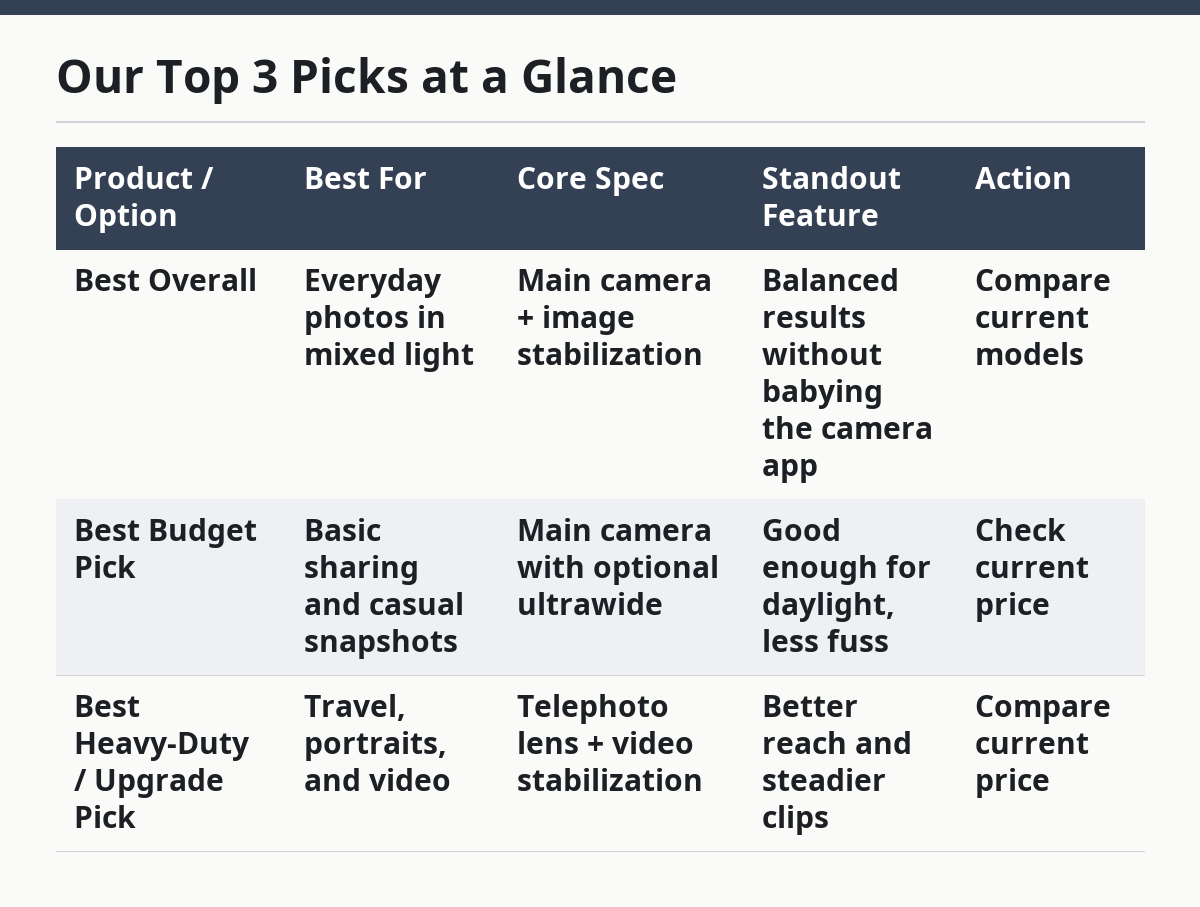
Our Top 3 Picks at a Glance
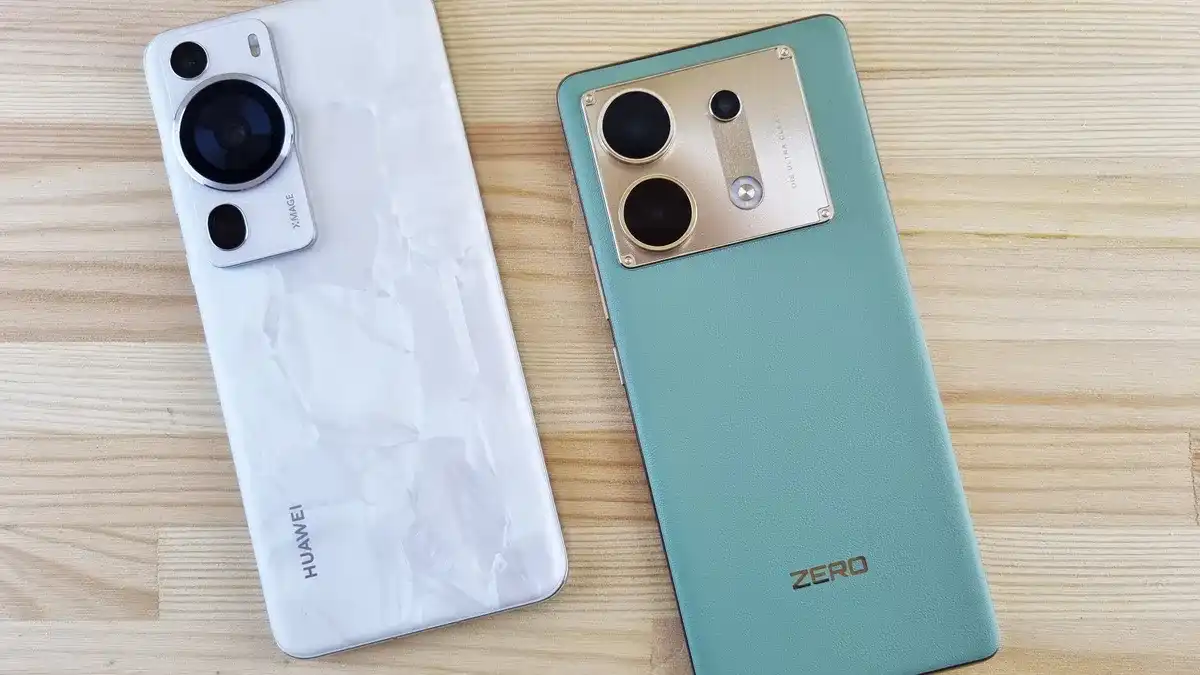
- #1 Best Overall: A phone with a strong main camera and dependable image stabilization for faces, pets, food, and indoor shots.
- #2 Best Budget Pick: A phone with a decent main camera and a usable ultrawide, even if the telephoto is missing.
- #3 Best Heavy-Duty / Upgrade Pick: A phone with a real telephoto lens and stronger video stabilization for travel, kids, and moving subjects.
| Product / Option | Best For | Core Spec | Standout Feature | Action |
|---|---|---|---|---|
| Best Overall | Everyday photos in mixed light | Main camera + image stabilization | Balanced results without babying the camera app | Compare current models |
| Best Budget Pick | Basic sharing and casual snapshots | Main camera with optional ultrawide | Good enough for daylight, less fuss | Check current price |
| Best Heavy-Duty / Upgrade Pick | Travel, portraits, and video | Telephoto lens + video stabilization | Better reach and steadier clips | Compare current price |
If you want the short version: buy for the main camera, not the megapixel number on the box. The rest helps, but it does not rescue a weak primary sensor. For broader phone spec reading, the hub on mobile phone specs and variant selection sits in the same family of choices.
What matters most in a mobile phone camera?
Because the main camera handles most of your photos, from lunch plates to rainy sidewalks to backlit faces, it matters most. If one phone has a better main camera and another has a fancier secondary lens, the first one usually wins for daily use. Simple.
Picture this: you’re at dinner, the room is dim, and your phone has one shot to catch a friend blowing out candles. That moment rewards a good main sensor, usable night mode, and stable focus far more than a marketing label. Don’t start with “how many cameras?” Start with “how good is the main one?”
Here’s the catch: many spec sheets bury the main camera in a pile of extra lenses, but the extra lenses may be weak or narrow in use.
- Look for main camera quality first.
- Check whether the phone has image stabilization on the main camera.
- Treat extra lenses as support, not the star; consult a professional or trusted review if the spec sheet is unclear.
- If the listing only says “triple camera,” read the lens roles, not the headline.
A plain-looking camera setup with a strong main lens often beats a flashy one with thin second and third cameras. That’s especially true for people who shoot mostly indoors, at family events, or on short walks.
How do I compare the main camera without getting fooled by megapixels?
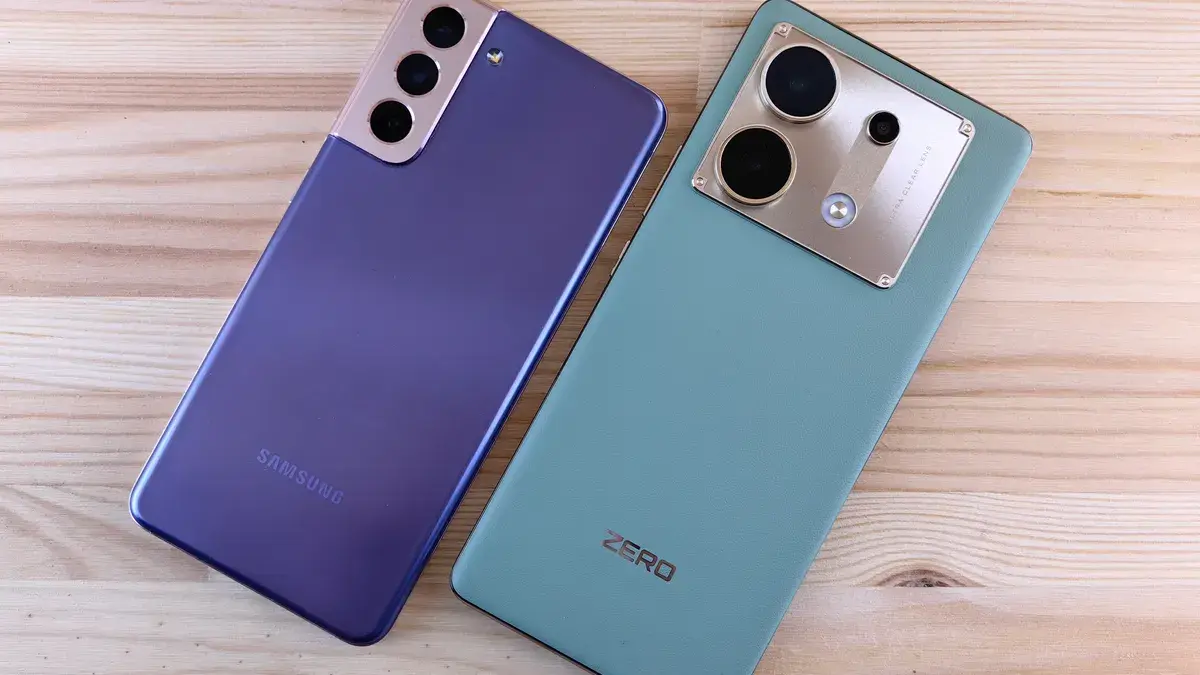
You compare the main camera by looking past megapixels and checking how the phone should perform in low light, motion, and HDR scenes. Megapixels tell you one piece of the story, not the whole frame.
A 48MP or 50MP label can still hide a small sensor or soft processing. On the flip side, a 12MP main camera with good processing can make cleaner everyday photos than a higher-numbered model. What matters is how the camera handles skin tones, shadows, windows, and motion blur.
A useful comparison stack looks like this:
- Main camera resolution — good to know, not enough by itself.
- Sensor size — bigger usually helps in low light.
- Aperture — a wider opening can help gather light.
- Image stabilization — helps reduce blur from hand shake.
- Autofocus type — faster, steadier focus helps with kids and pets.
If a phone lists OIS on the main camera, that’s a real plus for everyday use. If it doesn’t, the phone may still be fine in bright daylight, but indoor shots and video often suffer first.
Quick rules for the main camera
- Prioritize OIS if you take many indoor photos.
- Ignore megapixels alone if the rest of the spec sheet is vague.
- Choose better processing over bigger numbers when the phone maker clearly describes it.
- Favor known camera behavior over hype words like “AI camera.”
The honest value of the ultrawide lens
The ultrawide lens is worth caring about if you shoot rooms, group shots, buildings, or landscapes. It is not worth paying extra for if you almost never step back far enough to need it.
Because space is tight in many real scenes, the ultrawide can save a shot in a small living room or on a crowded street. Same thing for a kitchen table or a wide mountain view. That said, ultrawide cameras often lose detail and edge sharpness compared with the main camera.
The truth is, many phone makers use an ultrawide lens as a box-checking feature. That lens may be fine in daylight and disappointing at night. If the spec sheet does not mention autofocus on the ultrawide, macro shots may be limited too.
Compare the ultrawide like this
- Use case: group photos, interiors, travel.
- Weak spot: soft edges and worse low-light shots.
- Worth paying for only if: you regularly need wider framing.
- Skip if: you mostly shoot people, pets, and close subjects.
A decent ultrawide is a nice extra. It is not a replacement for a strong main camera. If the choice is between a better main camera and a weak ultrawide, the main camera wins almost every time.
When does a telephoto lens actually matter?
A telephoto lens matters when you want closer framing without obvious digital zoom mush. It is the spec that helps portraits look cleaner and lets you shoot a subject across a room or street without cropping away detail.
If you’re at a school event and can’t move closer, or if you want a portrait that looks more natural than a wide selfie crop, telephoto earns its keep. Without it, phones often lean on digital zoom, which can smear edges and flatten faces.
But here’s the catch: not every telephoto lens is equally useful. A short telephoto can help portraits, while a longer one helps distant subjects. Some phones skip telephoto entirely and still do fine for everyday use. That is not a flaw if you never zoom.
What to check on the telephoto lens
- Optical zoom level rather than digital zoom claims.
- Presence of OIS for steadier zoomed shots.
- Portrait use if you shoot people often.
- Low-light behavior because zoom lenses can struggle there.
Telephoto is a strong reason to move up a phone tier if you actually use it. If you do not, you are paying for a lens that may sit idle most days.
The Honest Side-by-Side
Because the main camera wins for almost everyone, while the telephoto lens wins only if zoom and portraits are part of your routine, that is the cleanest split for everyday use.
| Criteria | Main Camera | Telephoto Lens | Winner for this condition |
|---|---|---|---|
| Daylight snapshots | Strong and flexible | Often less used | Main camera |
| Indoor family photos | Better default choice | Can be too narrow or dim | Main camera |
| Portrait framing | Good, but wider look | Better subject separation | Telephoto lens |
| Travel and street scenes | Broad usefulness | Helpful only sometimes | Main camera |
| Distant subjects | Needs crop or digital zoom | Built for reach | Telephoto lens |
| Casual group photos | Usually adequate | Can be awkward indoors | Main camera |
| Low-light shots | Usually stronger | Often weaker | Main camera |
| Video clip stability | Often paired with OIS | Less central | Main camera |
This is where many shoppers get turned around. They see a three-lens setup and assume the better camera wins. Not true. The lens that changes your everyday results is usually the one on the main camera, not the one used once a month.
Pros and cons of the main camera
- Pros: best for most photos, more useful in low light, usually the sharpest.
- Cons: still may struggle without OIS, and spec sheets can hide weak processing.
Pros and cons of the telephoto lens
- Pros: better zoom, more natural portraits, less crop damage.
- Cons: less useful in dark rooms, often absent on cheaper phones, can be overhyped.
What about night mode and video stabilization?
Because night mode and video stabilization change how usable the camera feels after sunset and while walking, they matter. They are not bonus extras; they shape the shots you keep.
If you’re recording a child running across a park and then stepping indoors for birthday candles, a phone with strong video stabilization and a dependable night mode will look far better than a phone with a flashy lens count and shaky clips. For context, CNET’s camera buying guides and DXOMARK’s camera testing both emphasize real-world shooting over spec-sheet hype.
Night mode is best judged by what the camera is trying to fix: blur, noise, dark shadows, and blown highlights. Video stabilization matters when you move, pan, or follow action. If the spec sheet says the phone has OIS + EIS, that usually points to a better shot at steady video than either one alone. Apple’s iPhone camera pages and Google’s Pixel camera pages both highlight stabilization features for this reason.
Compare these two specs this way
- Night mode: useful for restaurants, streets, and indoor family photos.
- Video stabilization: useful for walking clips, kids, pets, and events.
- OIS: helps stills and video by reducing hand shake.
- EIS: helps video by smoothing motion, but may crop the frame.
If video matters to you, do not stop at “4K” or “8K.” Those numbers tell you resolution, not steadiness. A shaky 4K clip is still a shaky clip.
Exception scenarios where the verdict flips
The main camera is still the default winner, but a telephoto-heavy phone can make more sense in a few clear cases. That flip happens when your use is narrow and specific.
If you rarely shoot close-up selfies, do not care about ultrawide landscapes, and your favorite photos are portraits, sports, or distant subjects, the telephoto lens becomes the bigger deal. One lens can change the whole phone.
Cases where the choice flips
- You shoot portraits a lot. A telephoto lens can beat a stronger ultrawide.
- You photograph distant subjects often. Telephoto matters more than extra megapixels.
- You make lots of handheld video. Stronger stabilization can outweigh a better secondary lens.
- You mostly shoot in bright daylight. A weaker low-light setup may be acceptable if the rest fits your use.
On the flip side, if you mostly post to chat apps, take family photos, and shoot food or pets, the telephoto upgrade is easier to skip. It is a specialist tool, not a daily necessity for everyone.
The Verdict: which camera spec should I choose?
Choose a phone with the strongest main camera if you want better everyday results, but only if the rest of the camera system still supports your use. Choose a phone with a real telephoto lens if you care about portraits or zoom more than wide shots. Neither if the listing only dazzles with megapixels and never says how the main camera handles low light or stabilization.
That is the clean rule. It cuts through the noise.
What to do before you buy
- Check the main camera first.
- Look for OIS or other stabilization.
- Decide whether ultrawide and telephoto match your actual photos.
- Treat night mode and video stabilization as practical features, not buzzwords; consult a professional or trusted reviewer if the claims are vague.
FAQs
Do more megapixels mean a better phone camera?
No, more megapixels do not automatically mean a better phone camera. A 50MP main camera can still perform worse than a lower-megapixel camera if the sensor, lens, processing, or stabilization is weaker. For everyday use, the main camera’s overall design matters more than the number alone.
What camera specs matter most?
The main camera, image stabilization, and low-light behavior matter most for everyday use. After that, check the ultrawide if you shoot group or travel scenes, and the telephoto if you care about zoom or portraits. Video stabilization matters too if you record while walking.
How do I compare phone cameras without test photos?
Compare the listed lens roles, stabilization features, and known camera behavior instead of chasing spec hype. Read whether the main camera has OIS, whether the ultrawide has a real use case, and whether the telephoto is optical or just digital zoom. If the sheet is vague, assume less.
Drafted with AI; not yet reviewed by a person.