

How to Compare Mobile Phone Repair Coverage and Service Access
Last updated: November 20, 2026
Quick answer: compare 4 things first — authorized access, walk-in availability, mail-in turnaround, and parts availability — because those are the factors that most often decide whether a repair is usable where you live. Mobile phone repair coverage is only useful when the service path fits your life, so the real test is authorized service center access, mail-in repair, walk-in repair, and replacement parts availability.
This comparison is for the person who wants a broken phone fixed with the least friction, not the person shopping for a warranty before purchase. For the warranty side, see the site’s hub on Mobile Phone Buying Strategy and Total Cost.
Key takeaways
-
In practice, the best repair coverage is the one you can actually use where you live, not the one with the longest promise on paper.
-
Authorized service center access matters most when the phone needs genuine replacement parts or software checks.
-
Mail-in repair can work well for hard-to-reach areas, but it adds shipping time and leaves you without the phone longer.
-
Walk-in repair wins when there is a nearby shop and the failure is simple enough for same-day handling.
-
If parts are scarce, the “coverage” may exist but still be slow or unusable.
What should I compare first?
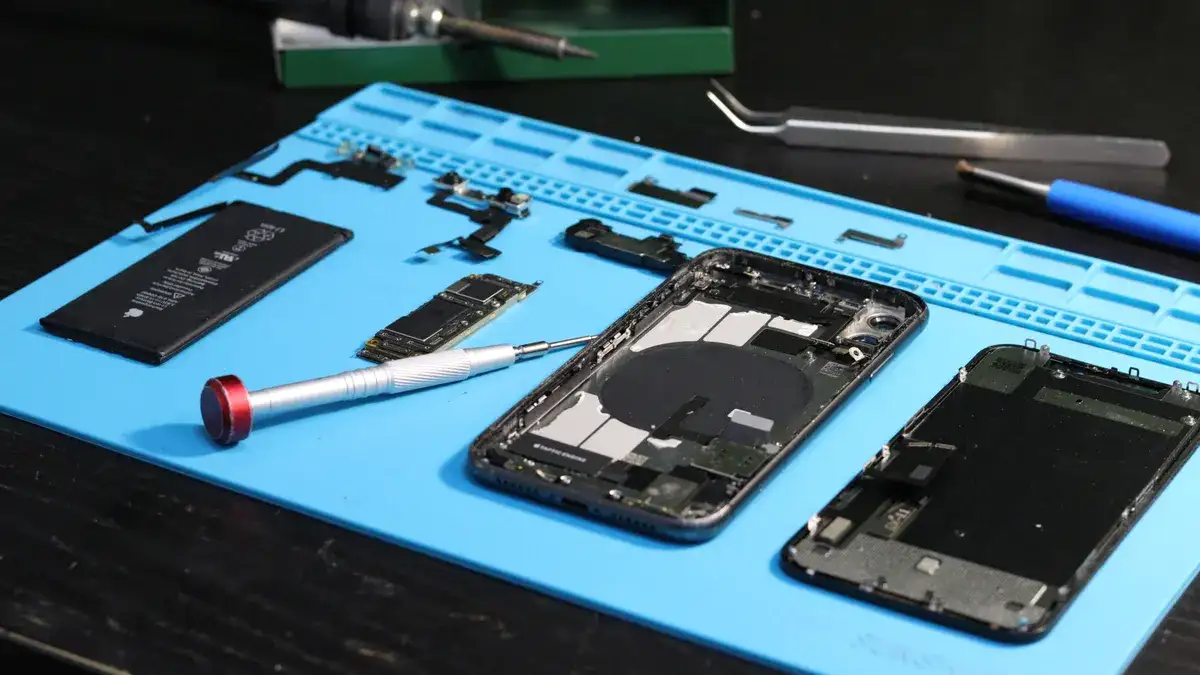
Compare service access first, because a repair promise can be hard to use if the only center is far away or the phone has to be shipped out. The first check is whether you have an authorized service center within practical reach, because that often decides whether you get local help or a longer repair path.
A useful way to think about it is this: coverage is about permission to repair, while access is about how you get the repair done. One policy may allow repairs for a phone model and still route every job through mail-in service, which is a very different experience from a walk-in desk that can handle screen and battery jobs on site.
Specifically, the details that matter are simple: whether the shop is authorized, whether it can order replacement parts, whether it handles walk-in repairs, and whether mail-in is the backup when parts are not on hand. A phone with a cracked screen and a dead battery may need different treatment; if you are unsure, consult an authorized technician or repair professional and check the maker’s support guidance, such as Apple’s repair page or the FTC’s warranty guidance on service contracts and warranties: https://consumer.ftc.gov/articles/warranties-and-service-contracts
For a quick reality check, look at the maker’s support pages and the FTC’s warranty guidance on service contracts and warranties: https://consumer.ftc.gov/articles/warranties-and-service-contracts
Authorized service center or mail-in repair?
Authorized service center access often gives you the shortest path to approved parts, while mail-in repair is often the better option when there is no nearby center. Authorized service centers usually have direct access to the maker’s process and approved parts, so they are the safer choice when you want the phone repaired under the brand’s rules instead of through a third party.
The strength of an authorized center is control. The staff can usually verify the device, follow the brand’s repair steps, and order the right replacement parts through the approved channel. That matters when the repair involves a display, battery, or other part that must match the model exactly.
Meanwhile, the weakness is geography. If the closest authorized center is far away, the “better” option on paper may be the worse option in real life because it costs time just to get there. Mail-in repair removes that travel problem, but it adds shipping time and creates a period where the phone is out of your hands.
Mail-in repair is best when the phone is functional enough to back up and ship, and when local access is thin. It is a poor fit if you need the phone daily for work or two-factor login and cannot spare several days without it. In that case, even a slower local repair queue can be easier than mailing the device away.
Is walk-in repair better than shipping the phone?
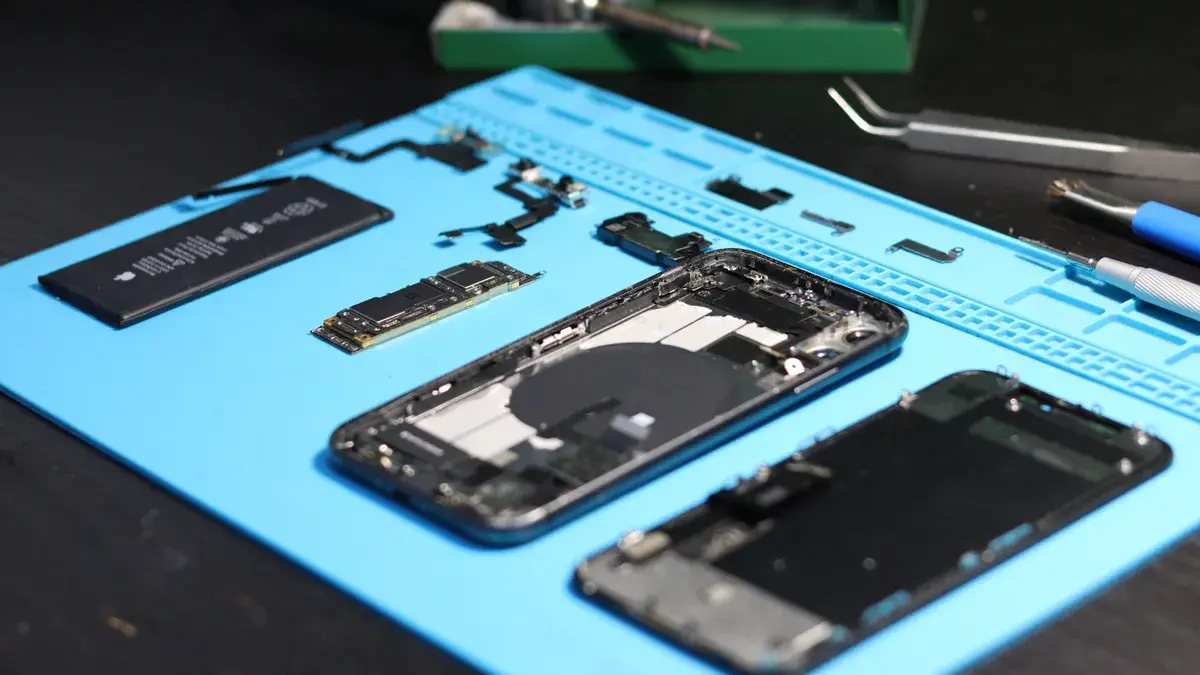
Walk-in repair is better when the problem is simple and the shop can finish the job on the spot. A walk-in counter can be the fastest route for many common problems because it removes shipping time and usually gives you a clear handoff: drop off the phone, wait, and pick it up when the work is done.
Walk-in service is strongest for a reader who has one nearby and can live with a short wait. If the repair center can handle the model and has the needed part in stock, a walk-in visit can beat mail-in by a wide margin in convenience, even when the actual repair work is similar.
Its weakness is uncertainty. A walk-in shop may still need to order a part, send the phone out, or tell you to come back later. That means “walk-in” does not always mean “same-day,” and a reader who assumes it does can end up making two trips instead of one.
Because of that, the small print matters. Some repair programs accept the device at the counter but do not perform every repair on site. If the model needs a rare part or special tooling, the shop may be a drop-off point rather than a true same-day center. That distinction is the difference between a useful local option and a front desk that only starts the shipping process.
The honest side-by-side
The right choice depends on how much you value speed, proximity, and part certainty. The table below shows what actually changes the decision.
CriteriaAuthorized service centerMail-in repairWinner for this condition
Access methodLocal drop-off, if availableShip the phone to the repair siteWalk-in or local drop-off
Parts controlUsually tied to approved replacement partsUsually tied to approved parts tooAuthorized center
Travel burdenLow if nearby, high if far awayNone to the user, but shipping is requiredMail-in for remote users
Time without phoneOften shorter when the part is in stockOften longer because of shippingAuthorized center
Status updatesOften easier to ask in personUsually depends on tracking or emailAuthorized center
Best for simple jobsGood for screens, batteries, and checksGood if local access is poorAuthorized center
Best for remote areasWeak if no center is closeStrong because distance does not matterMail-in repair
Risk of extra handoffsLowerHigher because of shippingAuthorized center
Convenience for busy daysHigh if the shop is nearbyMedium, because shipping still takes timeAuthorized center
Ultimately, the table points to a clear pattern: authorized service center access wins when it is nearby and stocked, while mail-in repair wins when geography is the main obstacle. A reader in a city with a nearby center should usually favor local service. A reader in a smaller town should usually favor mail-in if the phone can be spared.
Which repair coverage fits your phone?
Start with the failure, the model, and part availability; those three factors usually determine the best route. A phone with a cracked display is a different case from a phone with deeper board or liquid damage, because the repair path gets more complex as the fault becomes less visible.
Choose authorized service center coverage when the phone is newer, the repair is likely to need brand-approved parts, and you want a direct answer from a trained counter or service desk. This is also the better path when software checks, pairing steps, or post-repair validation are part of the job. The drawback is that you may pay with time if the center is busy or if the part is not on hand.
Choose mail-in repair when the nearest authorized center is too far away or when the phone can sit out of service for shipping time. Mail-in also makes sense when you can back up the phone first and do not need it for urgent communication. The drawback is plain: the phone leaves your control, and every shipping day is another day without it.
For example, a reader with a flagship phone and a nearby service center should usually start local. A reader with an older model, a rare part issue, or no nearby shop should lean mail-in. For a phone that is essential for work, neither option is ideal if the shop cannot tell you when the part will arrive.
For consumer repair rights and service-contract basics, the FTC’s guidance on warranties and service contracts is useful background: https://consumer.ftc.gov/articles/warranties-and-service-contracts
When should I stop and choose a different route?
Stop and choose a different route when the phone cannot be backed up, the part is not available, or the service path adds more delay than the phone is worth. That is the point where “coverage” stops being helpful and turns into a waiting problem.
If the repair center cannot confirm access to the right replacement part, the delay may be the real issue, not the service type. A center that can accept the phone but not start the repair until a part arrives is not giving you quick relief, even if it is technically covered.
If you need the phone every day for 2-factor login, work calls, or transit apps, mail-in repair can be the wrong fit unless you have a backup device. In that case, a walk-in repair with same-day potential is better if it exists, and if it does not, you may need to rethink the repair entirely.
Because old models can make parts uncertain, the best coverage on paper may still lead to long delays. That is when the reader should ask a sharper question: not “is it covered?” but “can this model actually be repaired now with available parts?”
What is the verdict?
Choose authorized service center repair if you have one nearby, the phone is still important to your day, and you want the clearest path to approved replacement parts. Choose mail-in repair if the nearest center is far away or if travel would cost more time than shipping. Neither is a good choice if the maker cannot confirm part availability or if you cannot afford to be without the phone.
What do people usually ask next?
How do I know if a repair shop is authorized?
An authorized shop is listed by the maker or carrier as approved to handle that brand’s repairs. That matters because authorized repair usually means the shop can follow the brand’s process and order the correct parts, rather than improvising with substitutes.
Is mail-in repair always slower?
Mail-in repair is usually slower in total elapsed time because shipping adds days on both ends. A local authorized service center can still be slower if it is short on parts, so the real comparison is shipping time versus part wait time.
Why does parts availability matter so much?
Parts availability decides whether the repair can start at all. A center may accept the phone, but if the right display, battery, or other replacement part is missing, the phone may sit in queue until the part arrives.
Can a walk-in shop still send my phone away?
Yes. A walk-in front desk does not always mean on-site repair, and some shops use the counter only as a receiving point. If the model needs special tooling or a hard-to-find part, the phone may still be shipped or held for later work.
Drafted with AI; not yet reviewed by a person.