
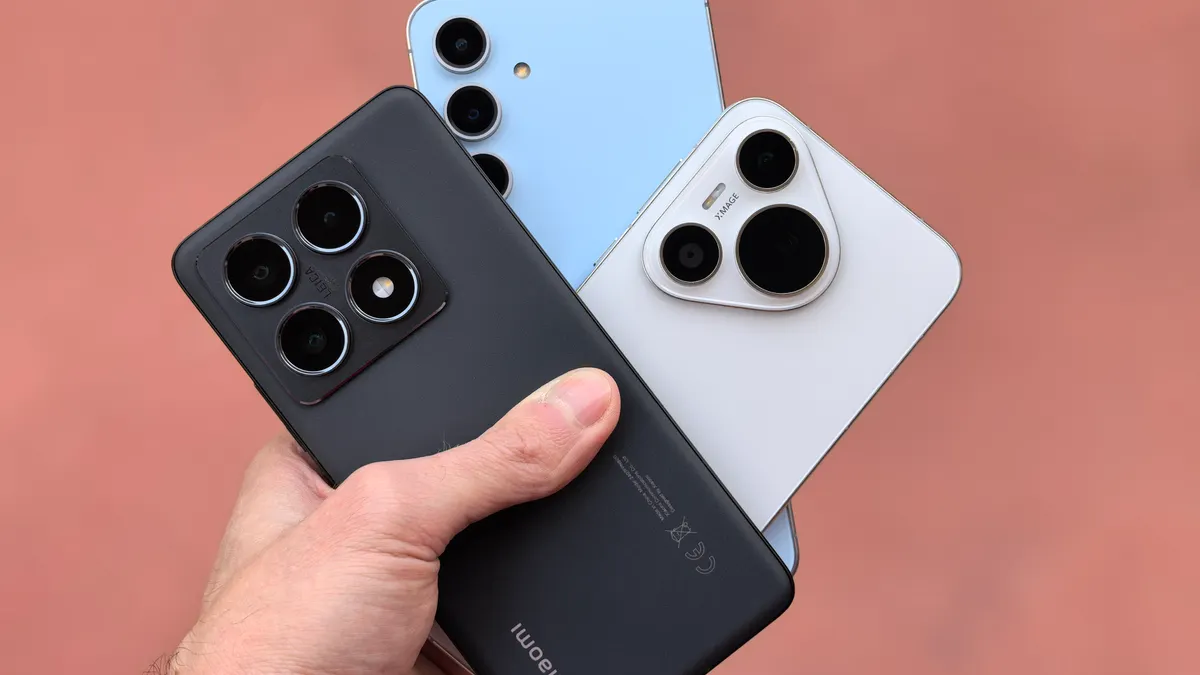
How to Compare Mobile Phone Prices by Color and Variant
Last updated: November 18, 2026
Quick Answer: compare the exact color variant, finish, and storage first, because the same model can carry different availability and a different checkout price depending on those details.
How to Compare Mobile Phone Prices by Color and Variant starts with the exact variant, not the headline price. The same phone can appear in different colors, finishes, and storage tiers, and those differences can change both stock and checkout price. If you compare model names only, you can miss a 128 GB base color and a 256 GB special edition.
If the color you want is a special edition or a limited finish, check that version first and the base color second. A cheaper-looking listing is not always the best deal if the variant is harder to find, excluded from a promotion, or sold only in a higher storage tier. In many cases, the price comparison is only valid when the variant is identical.
I write about mobile phone pricing, variant structure, and retail comparison because the biggest mistakes happen when shoppers compare model names instead of the exact SKU-like variant. This guide sits under the broader mobile phone price comparison and value hub, but it focuses on one narrow decision: how color changes price, stock, and real value.
Key takeaways
- The “same” model can have different prices when the color, finish, or storage changes.
- Special editions and limited colors are the most likely to carry a markup or vanish from stock.
- Base colors usually offer the cleanest comparison because they are stocked more widely.
- A widely available variant is often the easiest one to compare, not necessarily the most stylish one.
- If you care about resale or replacement parts, plain finishes are usually easier to live with.
How do you compare mobile phone prices by color and variant?
You compare the exact variant first, then the price. The right way is to line up model, storage, color, finish, and seller so you are not comparing one listing with a 128 GB base color and another with a 256 GB special edition.
That sounds obvious, but it is where most buyers slip. A graphite version, a matte green version, and a “special edition” version can all share the same processor and screen, yet each can sit in a different stock bucket. Retailers often bundle a color with a storage tier or carrier plan, which makes the advertised number look better than it is.
A clean comparison starts with the product page language. Look for the exact color name, not a casual label. “Midnight,” “Starlight,” “Cosmic Orange,” or “Limited Edition” are not interchangeable. If the listing does not state the storage size, finish, or whether the model is opened, the comparison is incomplete.
Two source pages are worth checking before you trust a seller page: the manufacturer’s product page and the retailer’s variant selector. For consumer rights on advertised goods, the UK Competition and Markets Authority’s guidance on misleading pricing is useful background, and the US Federal Trade Commission’s truth-in-advertising page is another solid reference point. Both explain why the visible price can hide material differences. Apple’s iPhone product pages and Samsung’s Galaxy product pages are also useful because they separate color and storage options clearly.
The practical rule is simple: if two versions have the same processor, display, battery, and storage, the color difference is what you are paying for. If storage, carrier lock, or “special edition” status changes too, you are no longer comparing colors — you are comparing different products with one shared shell.
The honest side-by-side
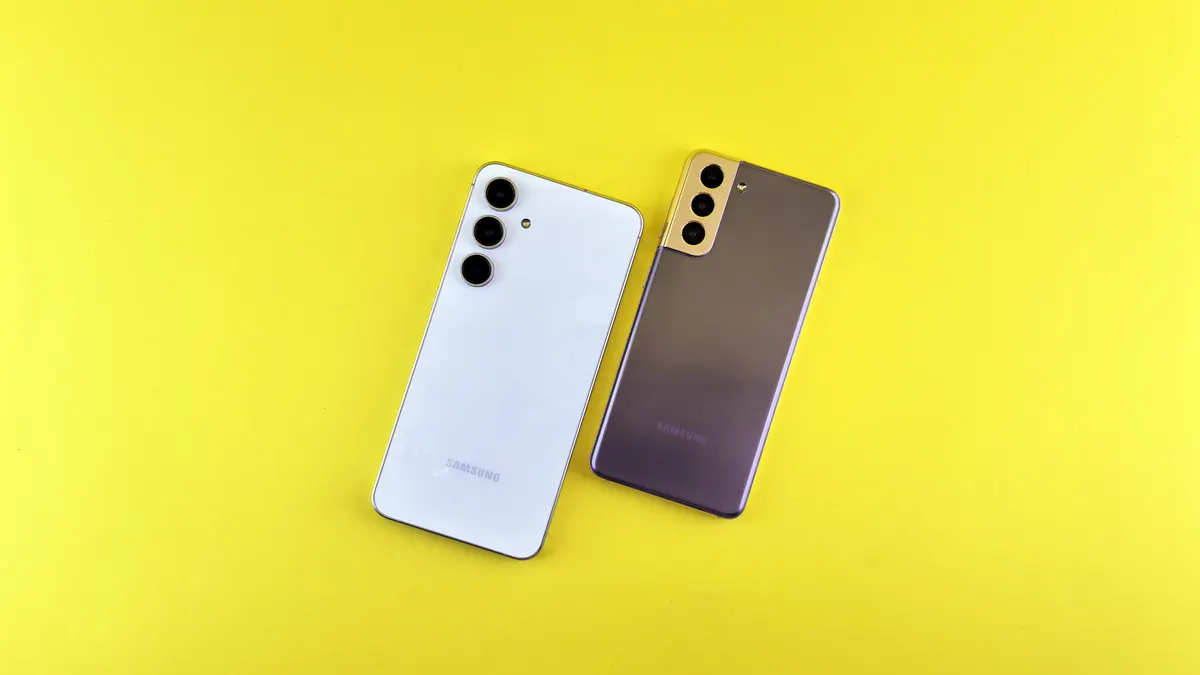
The base color usually wins for value. A standard black, white, silver, gray, or blue finish is easier to find, easier to replace, and less likely to be trapped in a narrow stock run than a special edition color.
| Criteria | Base color | Special edition / limited color | Winner for condition |
|---|---|---|---|
| Availability | Usually stocked in more stores and restocked more often | Often appears in smaller runs or shorter windows | Base color, when you want the widest choice |
| Price behavior | More likely to stay near the standard list price | More likely to carry a premium or lose discounts | Base color, when value matters most |
| Storage pairing | Often offered across multiple storage tiers | Sometimes tied to one or two storage tiers | Base color, when you need flexibility |
| Resale appeal | Broad buyer pool, easy to describe in listings | Niche appeal; may attract only a subset of buyers | Base color, when resale matters |
| Replacement or warranty swaps | Easier to match if a swap is needed | Replacement may come in a different color | Base color, when consistency matters |
| Visibility of wear | Lighter finishes can show scuffs; darker ones can show fingerprints | Satin or glossy special finishes can show marks differently | Depends on finish, not just color |
| Risk of missing a sale | Lower, because there are usually multiple offers | Higher, because the color can disappear first | Base color, when you shop slowly |
| Brand or collector appeal | Low drama, practical | Higher if you want a distinctive look | Special edition, if the look is the point |
| Availability by region | More even across regions and carriers | Can be region-locked or retailer-exclusive | Base color, when you travel or import |
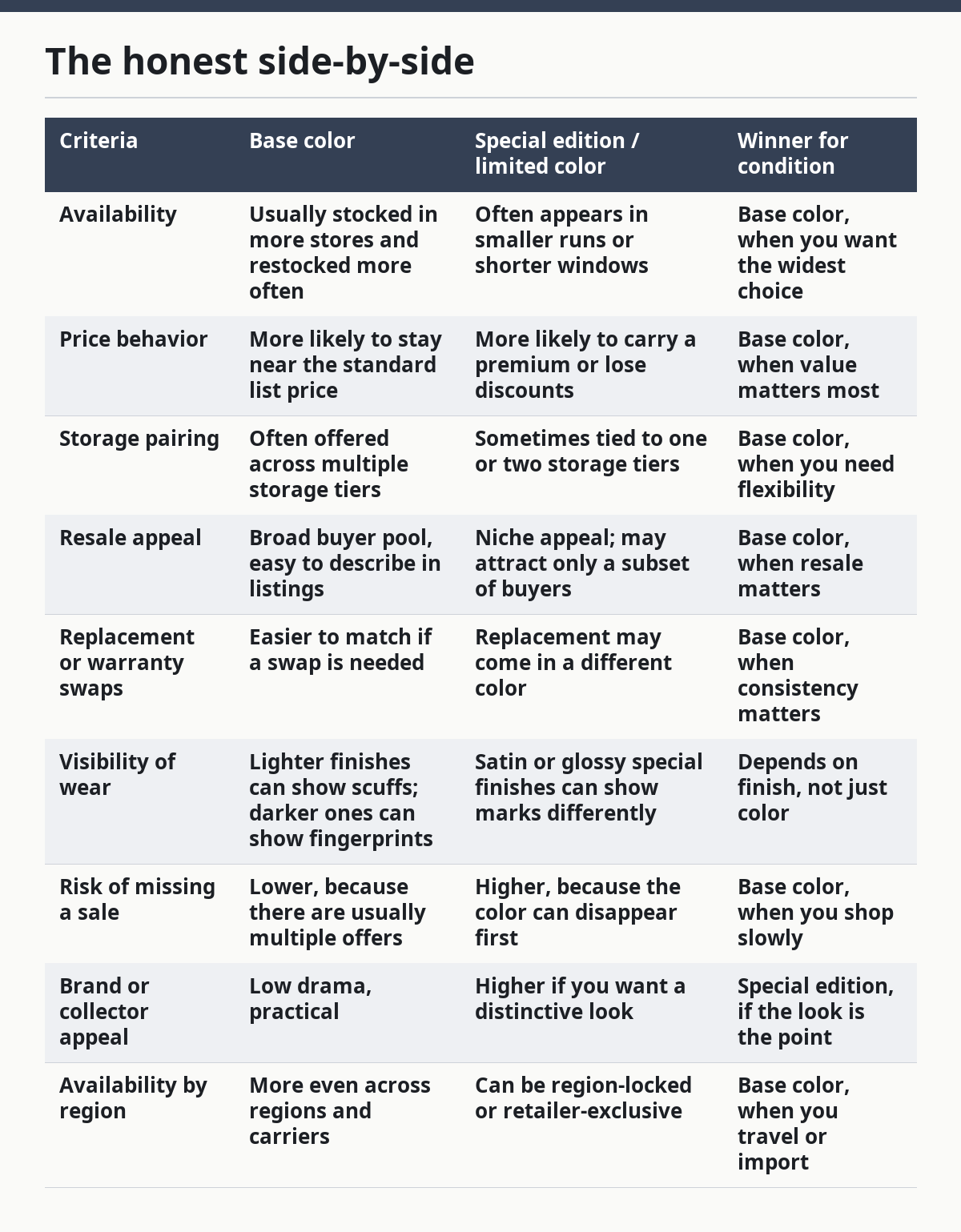
The table points to the same conclusion in most cases: standard colors are the safer buy, while special editions are a style purchase with a possible price penalty. If you are comparing on price alone, the base variant is usually the benchmark you should set first.
The standard color wins for most people
The standard color wins because it is the least distorted by retail games. A black, white, silver, or gray finish is usually the version a seller wants to move in volume, so it is the one most likely to show up in more listings, more promotions, and more restocks.
That matters for more than the sticker. A wider supply of the standard variant means more chances to find an opened version, a better trade-in offer, or a bundling promotion that does not force a carrier contract. It also makes price comparison cleaner. If a model comes in four colors and only one of them is discounted, the discount may be tied to overstock, not to a genuine value gap.
The standard finish is not perfect. Darker shades can show fingerprints, and glossy panels can pick up micro-scratches that are visible under bright light. A plain color can also feel generic if you care about the look of the device as much as the spec sheet.
This is the trade-off: the most practical color is not always the most satisfying one.
For the shopper who wants the best chance of getting the target model at a normal market price, the standard finish is often the best starting point. It also suits anyone who plans to sell the device later, because a neutral color is easier to list and easier to move.
It is not for someone who buys a phone partly as a personal object. If the color is the point, the standard version can feel like a compromise you will notice every day. It is also a weak choice if the retailer’s standard stock is the only version with a long wait time and another color is available immediately at the same configuration.
When a special edition or limited color is worth paying attention to
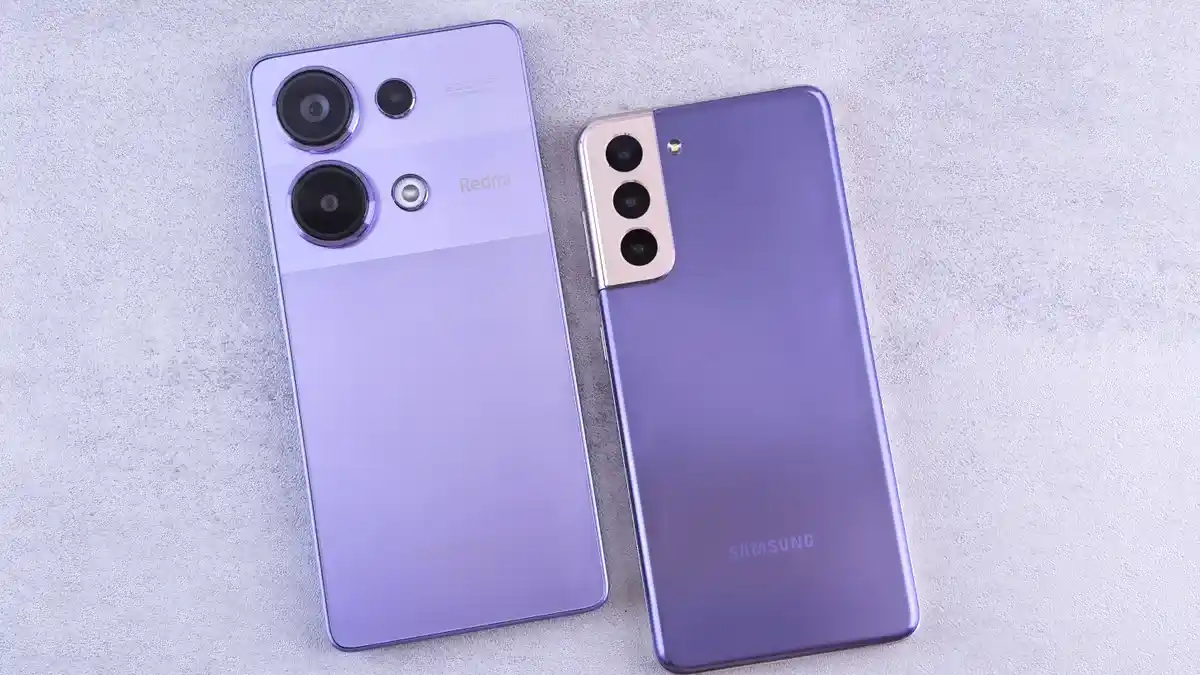
A special edition wins when the color itself is part of the product’s value. That can happen with a launch-only finish, a regional exclusive, or a collaboration model that exists to create scarcity.
The attraction is obvious: the phone looks different, and in some cases the finish is the main visible way to distinguish it from the standard range. Some limited colors also use a different surface treatment, such as a matte texture, satin metallic paint, or a two-tone back. Those finishes can change how the device feels in the hand and how clearly it shows fingerprints. That is a real difference, even when the hardware underneath is the same.
The drawback is equally obvious. Limited colors are the most likely to disappear first, and they are the most likely to get inflated by short supply. If a retailer has only a few units left, the price can drift upward or the bundle can become less friendly. The variant can also be harder to replace under warranty if the exact finish is out of stock and the service team substitutes another color.
This option is for the buyer who wants the device to feel personal, or who is purchasing with collector value in mind. It also suits the shopper who is already paying for the top storage tier and wants the finish to match the rest of the purchase.
It is not for the buyer who wants the lowest total cost or the easiest future resale. A special edition can be a poor deal if the premium is driven only by scarcity, especially when the internal specs are unchanged. If the color does not matter to you on day one, it is usually the wrong place to spend extra.
Does finish matter as much as color?
Yes, finish can matter almost as much as color, because matte, glossy, and textured surfaces age differently. A matte back may hide fingerprints better, while a glossy panel may look richer in product photos but show smudges sooner.
This is where shoppers often miss the real comparison. Two listings can share the same named color and still feel different in hand if one is a glass-like gloss and the other is a satin or frosted finish. That difference affects daily use, cleaning, and how noticeable wear becomes after a few months.
Finish also affects the price search. Retailers sometimes describe a premium version as “special finish” or “refined texture” even when the color name sounds ordinary. If you are comparing prices, look for that wording before you assume two listings are equivalent.
The downside is that finish is harder to judge from a small product image. Photo lighting can make matte surfaces look flatter and glossy ones look deeper than they really are. If the listing does not say whether the back is matte, glossy, frosted, or polished, the comparison is weaker.
This matters most for buyers who keep a device without a case. It matters less for someone who puts the handset in an opaque case on day one. If a case will cover the back permanently, finish should matter less than availability and storage, because the look will not stay visible.
How to avoid false price comparisons
You avoid false comparisons by matching the configuration line by line, not by name alone. The safest checklist is model, storage, color, finish, carrier lock, and seller.
A phone in “blue” is not the same offer as a “blue” special edition with 256 GB, and a carrier-subsidized version is not the same as an opened one. Even if the model number looks close, the full variant string is what determines whether the two prices are comparable.
Use the product page first, then the retailer filter. If the listing includes an exact variant picker, choose the color and storage before reading the price. If it does not, the page may be showing a base image that does not match the actual stock status. That is common on marketplace listings and less common on manufacturer stores, but it happens enough to distort comparisons.
One more trap is availability. When a color is nearly sold out, the remaining offers can look expensive because only third-party sellers are left. That does not mean the color is inherently high-priced; it means you are shopping in a thinner market. If the same device in another color has wider stock, the market price signal is cleaner there.
If you are shopping for a gift, this step matters even more. The wrong color may still work, but a mismatched variant can mean the difference between an easy purchase and a delay of several days. In that case, availability is part of the value equation, not a separate issue.
Which color and variant should you choose?
Choose the base color if you want the cleanest price comparison, the broadest availability, and the least risk of paying a scarcity premium. Choose the special edition or limited color if the finish is part of the appeal and you are willing to pay for style or rarity. Neither if the seller will not clearly state storage, finish, and opened status.
That is the short answer, and it is the one I would use when comparing listings side by side. The base variant is the default recommendation because it gives you the best chance of apples-to-apples pricing. The limited finish is a justified choice only when the look matters enough to offset the narrower stock and the likely price drift.
A practical rule: if the price difference only buys a different color, the base version is usually the smarter buy. If the difference also buys a finish you genuinely want every day, the premium can be reasonable. If the listing hides whether the version is carrier-locked, refurbished, or a bundle, skip it until the variant is clarified.
This recommendation is wrong for a buyer who treats the device as a personal accessory as much as a tool. It is also wrong for someone shopping for a collector piece or a launch-exclusive finish. In those cases, rarity has real value.
When should you reconsider the color choice entirely?
You should reconsider color as the main decision when storage, carrier status, or seller reputation changes the real price more than the finish does. A 128 GB base color and a 256 GB limited color are not peers, and neither are an opened listing and a carrier-locked one.
There are four exception scenarios where the verdict flips. First, if the limited color is the only version available in the storage you need, availability wins over ideal pricing. Second, if the standard color is out of stock everywhere except one inflated listing, the special edition may be the only sensible route. Third, if the special finish has a texture that you know helps with grip or hides wear, that practical gain can justify a higher tag. Fourth, if a retailer is bundling the color you want with a legitimate accessory you would otherwise buy separately, the price comparison should include the bundle, not just the handset.
There is also a simple “do not buy yet” case. If the product page does not clearly identify the variant, wait. A comparison built on vague color names or missing storage information is not a real comparison. It is guesswork with a price beside it.
For color-first shoppers, the decision is emotional as much as financial. That is fine. The mistake is pretending a color choice is neutral when it changes availability, resale, and sometimes the offer structure itself. Compare the exact variant, not the marketing image.
Do phone colors change the price?
Sometimes they do, but not because the hardware is different. The price can change when a color is tied to limited stock, a special edition label, a retailer exclusive, or a different finish. If the only difference is the shell color and the specs are identical, the best price comparison is still the one with the exact same storage and seller.
Why are some phone colors more expensive?
Some colors are more expensive because they are scarcer, not because they are better. Special finishes, launch-only runs, and collaboration editions can carry a premium when supply is limited or when the retailer knows buyers want the look. A standard color with broader stock is usually easier to compare on price, and that makes the mobile phone price comparison more reliable.
Drafted with AI; not yet reviewed by a person.