
Mobile Phone Price Comparison and Value — The Complete Guide
Last updated: November 18, 2026
In short: in the Mobile Phone Price Comparison and Value — The Complete Guide, the best value in mobile phones is usually not the cheapest model; it is the one that keeps its battery healthy, gets long software support, and gives you the camera, screen, and storage you will actually use for 2 to 5 years. In short: compare total value, not sticker price.
I write about phones, carriers, and device lifecycles for readers who want to keep a handset longer than a single upgrade cycle, so the right comparison in the Mobile Phone Price Comparison and Value — The Complete Guide starts with software support, battery life, repairability, and resale value—not just the number on the product page.
Key takeaways
- The lowest upfront price often hides the highest long-term cost.
- A phone that gets 5 to 7 years of updates can outlast a cheaper model by several upgrade cycles.
- Storage, battery condition, and repair cost matter more to value than a minor jump in benchmark scores.
- Midrange models often offer the best balance for many people; flagships make sense when you need the camera, display, or longevity.
- The wrong phone is the one you replace early because of weak battery life, short update support, or too little storage.
What “value” means in a mobile phone comparison
Value means the phone gives you the most useful life for the money, not the most features on paper. That sounds simple, but the market is full of traps: a cheaper model with 128 GB storage and no long-term updates can be worse value than a pricier model with a better chipset, stronger battery management, and a clearer software-support promise.
A useful comparison starts with four questions. How long will the phone stay secure, and if you are unsure, consult a qualified professional and check the maker’s support policy? How long will the battery remain usable before the experience turns annoying? Will the camera still look good in the lighting you actually have—indoors, at dusk, on video calls? And what will it cost to keep using the device if a screen or battery repair is needed?
Two standards matter here. First, software support from the maker and the operating system vendor. Google, for example, has publicly expanded update support on recent Pixel generations, while Apple has historically supported iPhones for many years through iOS updates, though exact timelines vary by model and release. Second, physical protection ratings like IP68, which tells you the device is built to resist dust and water ingress under specified test conditions, not to survive every spill or drop. The IP code is defined by the International Electrotechnical Commission at IEC 60529.
A reader who only compares launch price misses the real cost curve. A phone at a midrange price with 256 GB storage, solid update support, and a replaceable battery after two or three years can beat a bargain phone that feels full, slow, and insecure after 18 months, but the right choice still depends on your budget and needs. That is the whole game.
The honest side-by-side: flagship, midrange, or budget?
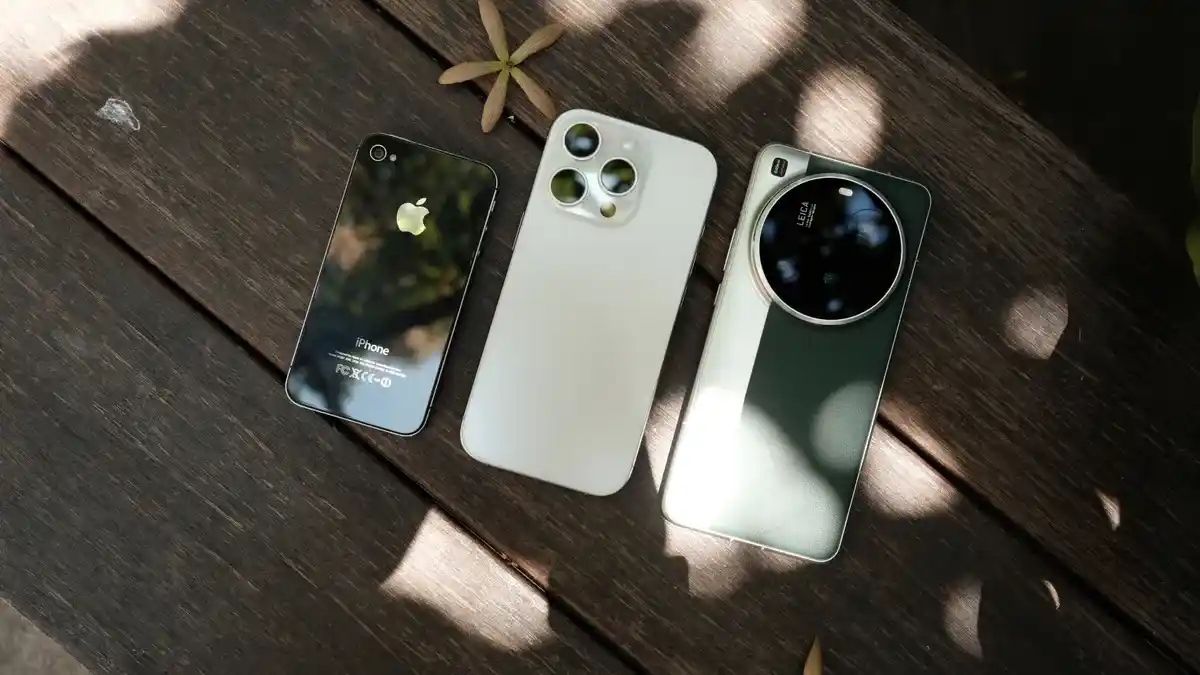
The midrange phone usually wins on value for many buyers, because it avoids the biggest premium taxes while still giving enough battery, screen quality, and camera performance for daily use. Flagships win when specific premium features matter. Budget phones win when the budget is tight and the buyer can live with trade-offs.
| Criteria | Flagship phone | Midrange phone | Winner for condition |
|---|---|---|---|
| Upfront cost | Highest launch pricing, often with premium materials and advanced cameras | Lower than flagship, usually the best balance of specs and spend | Midrange, if the goal is value per dollar |
| Camera quality in difficult light | Usually strongest computational photography and video stabilization | Good enough for most daylight and indoor use, weaker in edge cases | Flagship, if low-light photos and video matter most |
| Battery experience over 2 years | Strong, but power-hungry displays and processors can still drain faster | Often the sweet spot between efficiency and cost | Midrange, for all-day practicality |
| Software support window | Often long, especially on top-tier models from major brands | Can be very good on select models, but inconsistent across brands | Depends on the maker; major brands with a published support policy |
| Display quality | Best panels, high brightness, smoother refresh rates | Usually excellent, sometimes close to flagship levels | Midrange, when the panel is 120 Hz and bright enough |
| Repair and replacement pain | Higher repair costs are common because of premium parts | Typically easier to justify repairing than replacing | Midrange, for total ownership cost |
| Resale value | Usually strongest in absolute terms | Less dramatic resale, but lower starting cost can still help | Flagship, if you trade in frequently |
| Risk of overbuying | High, if the owner only uses messaging, email, and social apps | Lower, because features align better with common use | Midrange, for most people |
| Best fit | Power users, camera-first buyers, frequent upgraders | Long-horizon buyers who want strong value | Midrange for general use |
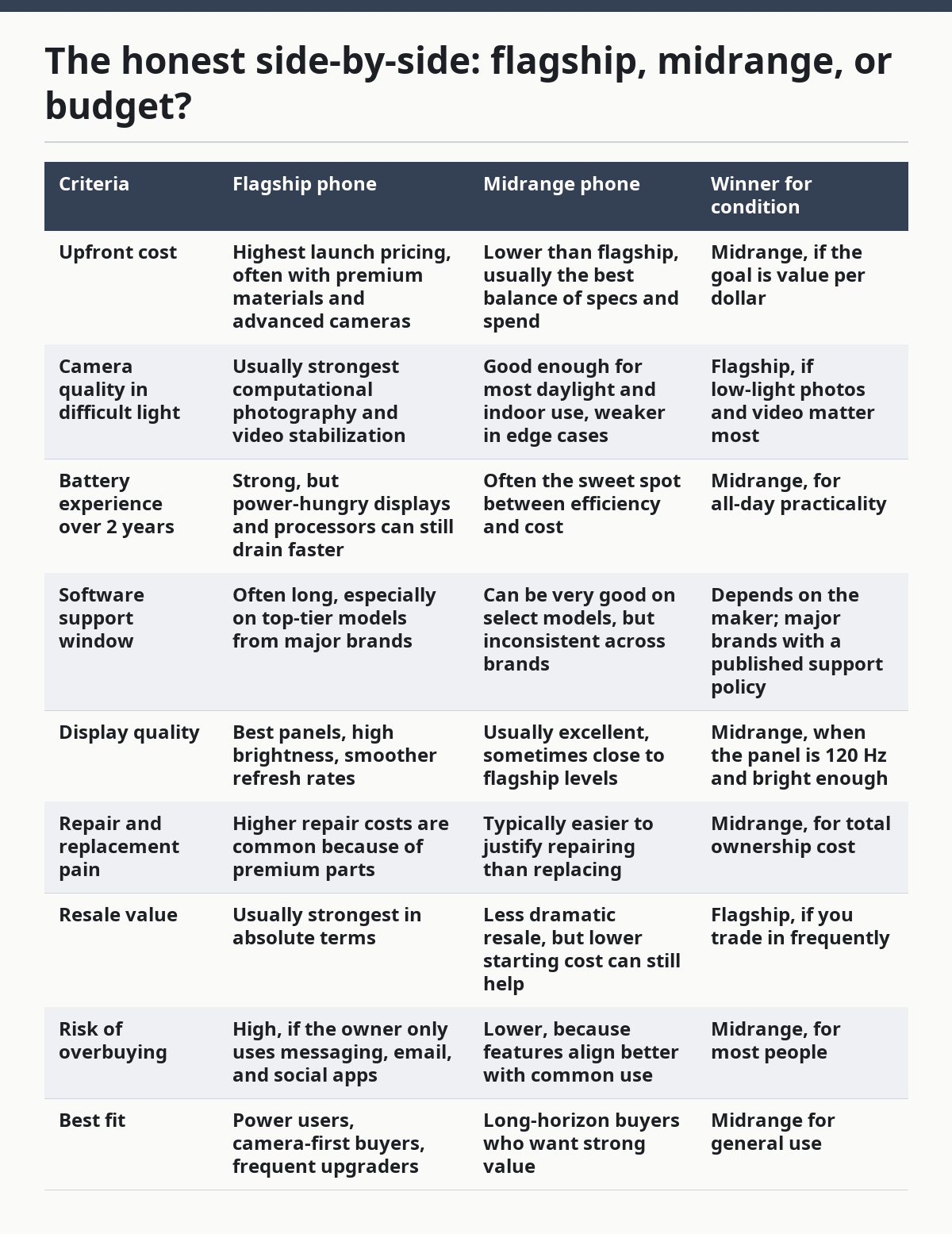
The table points to the main pattern: flagship phones win only when the buyer will actually use the premium camera, display, or resale advantage. Midrange phones win when the buyer wants a good device with fewer wasted features. Budget phones still have a place, but they are the riskiest value choice if software support is short or storage is cramped.
The common mistake is treating “value” as a synonym for “cheap.” A phone that costs less today and needs replacement sooner is not a bargain. That is especially true if the model ships with 64 GB or 128 GB storage and no microSD slot, because photo libraries, offline maps, cached video, and app growth consume space fast.
Which phone category is actually best for value?
The best value category for many buyers is a strong midrange phone with at least 128 GB storage, a modern processor, and a published software-support policy. That category gets the important stuff right without charging for prestige features many owners never use.
A midrange device makes sense because the biggest day-to-day differences in phone quality are not usually tied to the top-end chip. They are tied to battery endurance, screen readability outdoors, camera consistency, and whether the manufacturer keeps the device secure for long enough to justify the purchase. A midrange model from a major brand often hits the right balance. You get a 120 Hz OLED display, acceptable night photos, 5G support, and a battery that lasts a full day without carrying the cost premium of a flagship.
The weakness is obvious: midrange cameras can falter in dim light, and some models cut corners on storage type, speaker quality, wireless charging, or ingress protection. That means this category is not for buyers who want the best zoom lens, the cleanest 4K video, or the most polished haptics. It is also not for people who buy once and keep a device until the battery is exhausted; in that case, a flagship with a longer support window may pay off better.
A midrange phone is the right answer for parents buying a reliable upgrade, students who want a capable device without monthly payment pain, and anyone who uses a phone as a tool rather than a status object. It is also the safest category for readers who do not want to spend time comparing chipset benchmarks. The real question is not whether a chip scores a little higher in a synthetic test. It is whether the phone stays pleasant after the new-device sheen wears off.
Flagship phones: when the premium is worth it
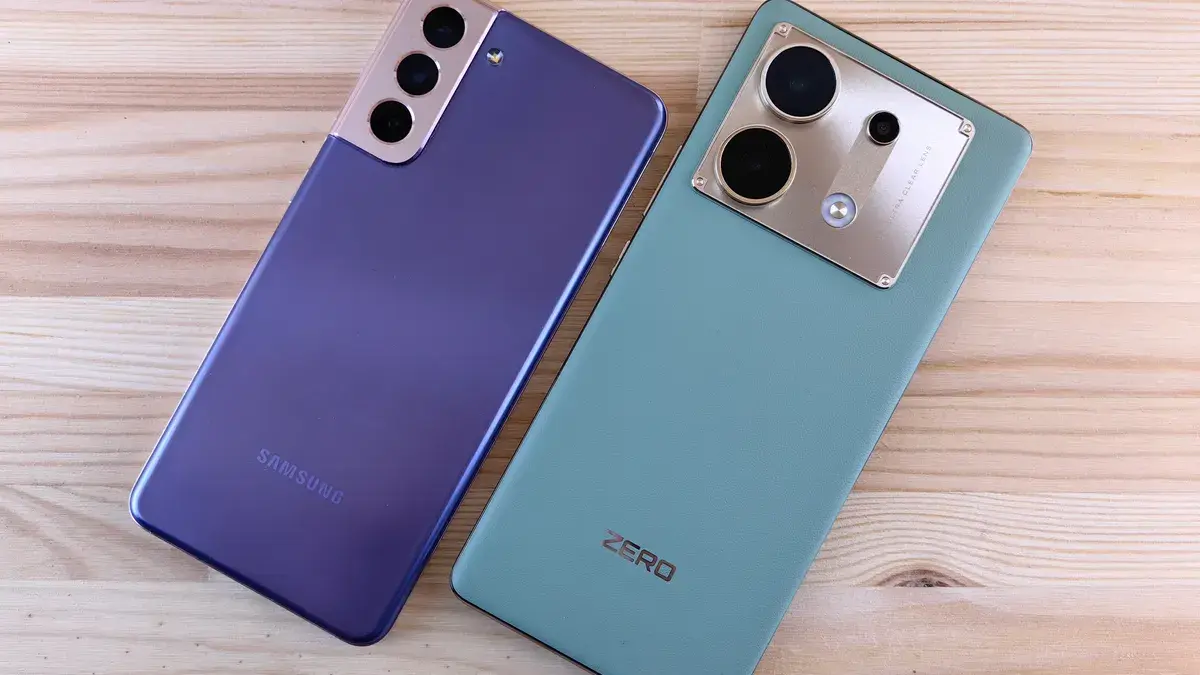
Flagship phones win when the premium features are the reason you are buying a new phone in the first place. If the camera is central to your work, if you edit photos or shoot video on the device, or if you care deeply about display quality, the extra spend can be justified. Top-tier models from Apple, Samsung, and Google often deliver better stabilization, stronger image processing, and higher brightness figures than lower tiers, along with tighter integration between hardware and software.
A flagship also tends to age more gracefully in one important way: the owner is less likely to feel shortchanged by storage, performance, or camera quality a year later. That matters if you keep phones for 4 or 5 years. Many flagship buyers also care about trade-in value, and premium models usually hold value better in absolute terms than lower-cost phones.
The drawback is equally clear. A flagship is a poor purchase if the buyer mainly streams, texts, browses, and takes ordinary photos. The money buys capabilities that might never be used, while the repair bill can hurt more if the screen cracks or the battery degrades. A premium phone is also the wrong choice for anyone who is rough on devices and does not want to pay for a case, screen protection, or higher-cost repair parts.
A flagship belongs in the cart for creators, frequent travelers, people who want the best camera system in bad lighting, and buyers who plan to keep the device for a long cycle and care about long software support. It is not for the buyer whose only goal is to spend as little as possible while still getting online.
Budget phones: where the savings stop making sense
Budget phones win only when the buyer has a hard ceiling and understands the trade-offs. The biggest value strength is simple: the entry cost is low. That can be enough for a backup device, a child’s first phone, a temporary replacement, or an owner who mostly calls, texts, and uses light apps.
The problem is that budget models often cut the very things that protect long-term value. Storage is frequently tight, cameras struggle in mixed light, the display may be dimmer outdoors, and software support is often shorter or less clearly stated. A phone with limited storage and modest RAM can also feel slow sooner, especially once social apps, messaging backups, and photo libraries start growing. The user may save money at checkout and then lose time to storage warnings, app crashes, or a battery that does not get through the day after a year or two.
A budget phone is not automatically a bad purchase. It becomes a bad value when the owner expects a midrange experience. If you want a device for a student, a senior, or a secondary line, a budget model can make sense. If you want a daily driver for years, it usually does not. The main danger is false economy: paying less now and replacing the phone sooner than planned.
This category is also the wrong choice for anyone who stores lots of offline content, shoots a high volume of video, or hates dealing with compromises. It is one thing to accept a plastic body or a lower refresh rate. It is another to live with lag, storage warnings, and mediocre low-light photos every day.
What specs matter most in a value comparison?
The most important specs for value are storage, battery health, software support, display quality, and repairability. Chipset branding matters less than those five unless the phone is slow enough to hurt normal use.
Storage comes first because it shapes the whole experience. A model with 256 GB is usually a safer buy than one with 128 GB if you keep lots of photos, 4K video, downloaded podcasts, or offline files. There is a common mistake here: buyers focus on the camera resolution and ignore the storage ceiling. A 48 MP or 50 MP camera can create large files quickly. If the phone lacks expandable storage, the owner will feel the limit sooner than expected.
Battery matters in two ways. The first is the rated capacity, usually given in mAh, which gives a rough sense of how much energy the device can hold. The second is the real-world endurance story, which depends on efficiency, screen type, and software. A larger battery is not automatically better if the phone is heavy or inefficient, but weak battery life ruins value fast.
Software support is the hidden currency. Security updates matter for financial apps, messaging apps, and general risk reduction. The Android ecosystem is better than it used to be, but support promises still vary by maker and model. Apple’s support track record has usually been longer, though the exact lifespan depends on the device. A buyer who keeps a phone for many years should care more about promised support than about one extra camera lens.
Repairability matters because a broken screen or degraded battery should not force replacement. Self-service repair programs, available parts, and common replacement procedures all affect value. The U.S. Federal Trade Commission has pushed on repair issues and parts access, and the broader right-to-repair conversation is relevant for anyone comparing long-term ownership cost.
For a practical reference on device protection and standards, the International Electrotechnical Commission explains IP ratings in IEC 60529, and the Federal Communications Commission provides guidance on handset compatibility and radio standards in the U.S. A reader comparing phones can also look at official maker support pages, which are the only place to confirm how long updates are promised. Independent review outlets and consumer groups can help with real-world battery and camera testing, while GSMArena and Consumer Reports are useful starting points for comparing specifications and usability.
How to compare two phones without getting fooled by marketing
The cleanest comparison is to line up the phones by use case, not by headline spec. That means comparing storage tier, update promise, battery endurance, display brightness, and repair cost before comparing camera megapixels or raw benchmark numbers.
Start with the support window. If one phone gets 7 years of software updates and another offers a much shorter or less explicit promise, the first phone may have far better value even if it costs more today. That is especially true for buyers who keep a handset until it becomes visibly slow or insecure. Then check storage. A 128 GB model with no expansion is fine for light users, but it can be cramped for anyone with lots of media. If one phone gives 256 GB at a moderate premium, that is often money well spent.
Next, compare battery and charging. A phone that lasts all day on ordinary use is usually better value than one that requires a midday top-up, even if the latter has a stronger chip. Fast charging also matters, but only if it is paired with sensible battery health over time. A charging feature sounds exciting on paper; the real question is whether the battery remains comfortable to use after 18 to 24 months.
Display quality deserves a place in the comparison because it affects every minute of use. A 120 Hz OLED panel that stays readable outdoors can change the ownership experience more than a slightly faster processor. Camera comparisons should focus on what the owner actually shoots: pets, kids, food, documents, concerts, or travel. A phone that excels at portrait mode may not be the best pick for video. A phone with a strong ultrawide lens may matter more to one buyer than a marginally faster burst mode.
The trap is comparison overload. A reader can get buried in minor spec differences and lose sight of the real question: which phone will still feel like a good purchase in 2 years? That is the question that decides value.
Who should choose flagship, midrange, or budget?
The flagship wins for the buyer who values camera quality, display quality, and long support enough to pay for them. The midrange wins for the buyer who wants the best all-around value. The budget phone wins only when the buyer’s needs are basic or the spending limit is strict.
Choose a flagship if you shoot a lot of photos and video, care about top-tier screen quality, or keep phones long enough for the support window to matter. Choose a midrange phone if you want the best balance of features, durability, and price. Choose a budget phone only if the device is a backup, a first phone, or a basic communication tool.
The strongest value argument in the whole market belongs to the midrange segment. That is where makers compete hardest on battery life, display quality, and everyday speed. The buyer gets enough phone for ordinary life without paying for premium excess. The flagship is a specialist tool. The budget phone is a compromise tool.
Two details can change the choice. First, storage. If the base model is too small, a midrange phone can stop being good value fast. Second, support. A budget phone with poor update policy may become a false economy. A flagship with a strong update promise may still be a better long-term buy if the owner keeps devices for many years.
This is also where the wrong choice shows up. If you are mainly comparing for social media, messaging, email, banking, and ordinary photos, the flagship is usually overkill. If you are comparing for travel photography or content creation, the budget option is usually too weak. That leaves the midrange as the default answer for most readers.
What are the exception scenarios?
The overall verdict flips in a few cases. The midrange phone is not always the right answer.
First, choose a flagship instead if you keep phones for 5 years or more and the maker offers a clearly longer support window. In that case, the higher upfront cost can be easier to justify because it spreads over a longer useful life. A premium camera system also becomes more compelling when the phone is your main camera.
Second, choose budget if the phone is a secondary device or the budget is non-negotiable. A backup handset, a teen’s starter phone, or a work-supplied device for calls and messages does not need premium hardware. Paying for a flagship in those cases is wasteful.
Third, avoid all three and look at a previous-generation flagship if the current midrange lineup cuts too many corners. Last year’s premium phone often has better camera hardware, better speakers, and better materials than a new low-cost model. The catch is availability, warranty length, and battery age, so this only works when the seller is trustworthy and the device condition is clear.
Fourth, reconsider the whole purchase if repair access is bad where you live. A phone with a great spec sheet can still be a poor buy if a screen replacement or battery swap is expensive or slow. In that situation, a more common model with easier parts availability may be the smarter value play, even if its launch spec sheet looks less impressive.
These exceptions matter because value is not just a specification contest. Availability, support, and repair economics can outweigh raw hardware on the day the phone needs service.
The verdict: which one to choose and why
Choose a midrange phone if you want the best everyday value, at least 128 GB storage, and enough battery and support to keep the device for years. Choose a flagship if camera quality, display quality, or long-term support is the reason you are upgrading. Neither if the phone has short update support, cramped storage, or repair costs that make replacement easier than maintenance.
That is the clearest call. For many readers, the midrange category is the best buy because it gives the strongest balance of price, features, and ownership cost. The flagship is worth it only when you can point to a real premium need. The budget phone is acceptable only when the use case is simple or temporary.
The smartest comparison is not “Which phone is cheapest?” It is “Which phone will still be a good decision after the warranty period ends?” That question exposes the difference between price and value faster than any spec sheet does.
Which comparison checklist should I use before I buy?
Use a checklist that starts with support, storage, battery, and repairability, then moves to camera and display. A phone with 5 to 7 years of support, 128 GB or 256 GB storage, a battery that comfortably lasts a full day, and a clear repair path is usually safer than a flashier model with weaker long-term backing.
The order matters. Support comes first because it affects security and lifespan. Storage comes next because it determines whether the phone feels cramped after the first year. Battery matters because a phone that dies early becomes inconvenient long before it becomes obsolete. Repairability matters because a screen or battery should not force a full replacement. Camera and display are important, but they should refine the choice, not dominate it.
If two phones are close, choose the one with the stronger update policy and the larger storage tier. If they are still close, choose the one with easier repair support and the better battery reputation in widely reported owner feedback. That is how value is judged in real life: by what keeps working after the purchase excitement fades.
For standards and support details, check the maker’s official support page, the IEC definition for IP ratings, and, if the device is being bought for U.S. service compatibility, the FCC’s handset information. Those sources will not tell you everything, but they will keep you from buying on marketing alone.
Drafted with AI; not yet reviewed by a person.